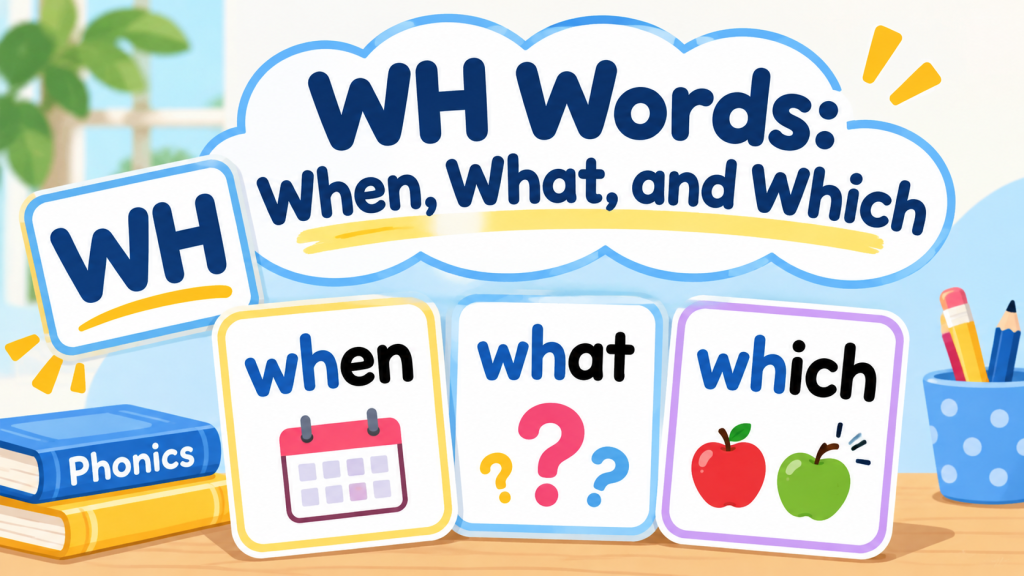
WH Words: When, What, and Which
Why do when, what, and which begin with the same sound, while who sounds different? Help children recognize WH words through familiar examples and simple reading activities.
Your blog category
Why do when, what, and which begin with the same sound, while who sounds different? Help children recognize WH words through familiar examples and simple reading activities.
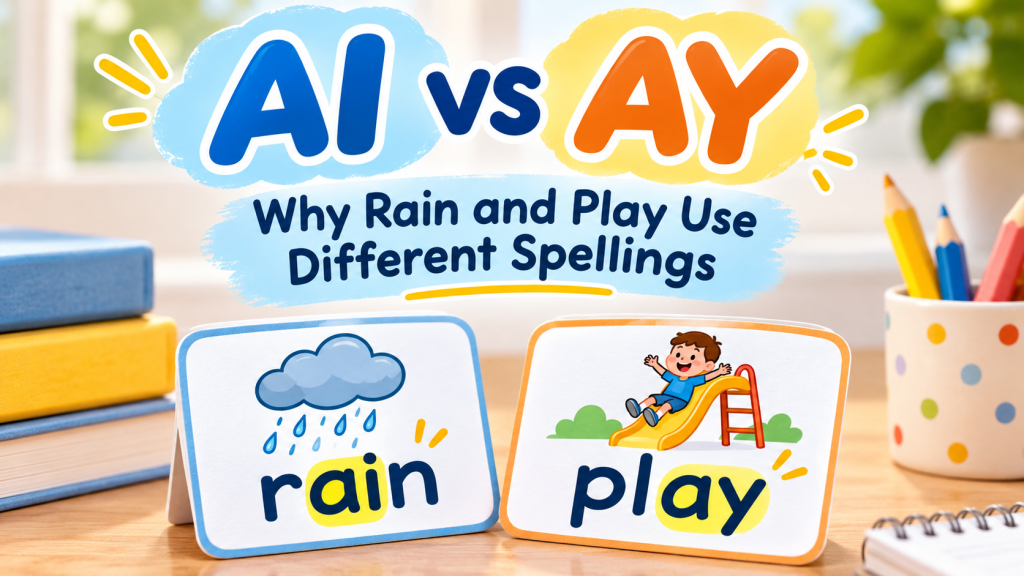
This article explains the difference between AI and AY in long A words through sound mapping, syllable position, and familiar word families. It also covers the limits of the spelling pattern and includes a short practice activity with answers for parents and teachers.
AI vs AY: Why Rain and Play Use Different Spellings Read More »
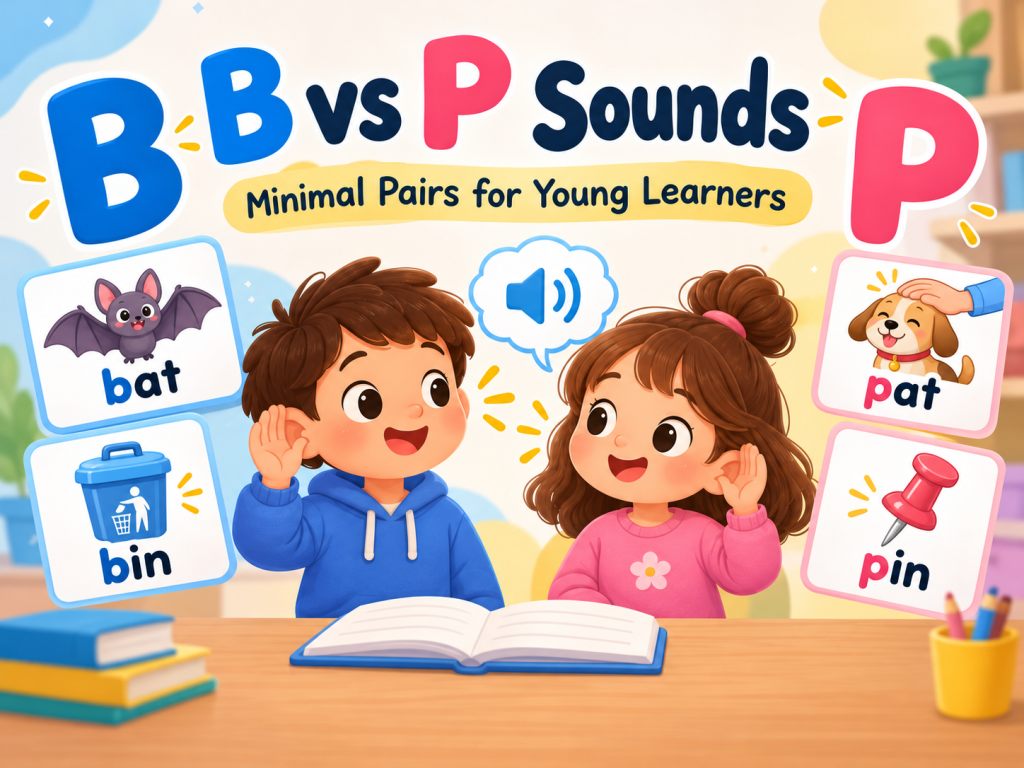
Why do children confuse B and P? Explore simple word pairs, pronunciation clues, and a playful listening activity to help young learners hear the difference.
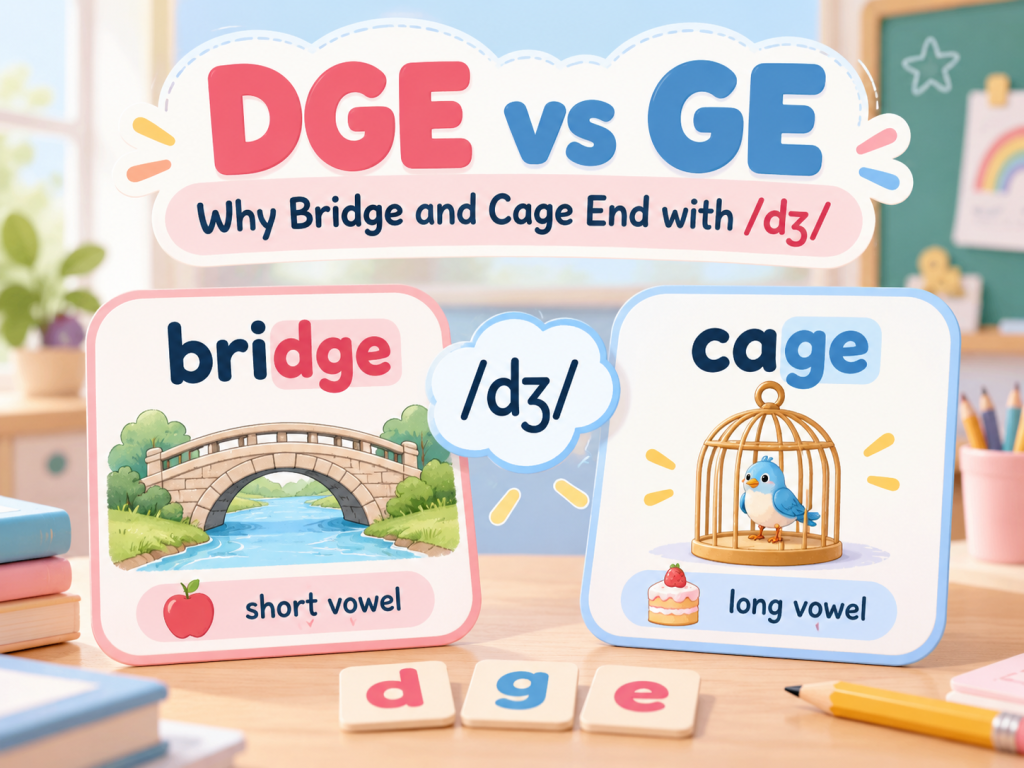
Why does bridge end in DGE while cage ends in GE? Discover the spelling clues, compare familiar words, and test your understanding with a short interactive game.
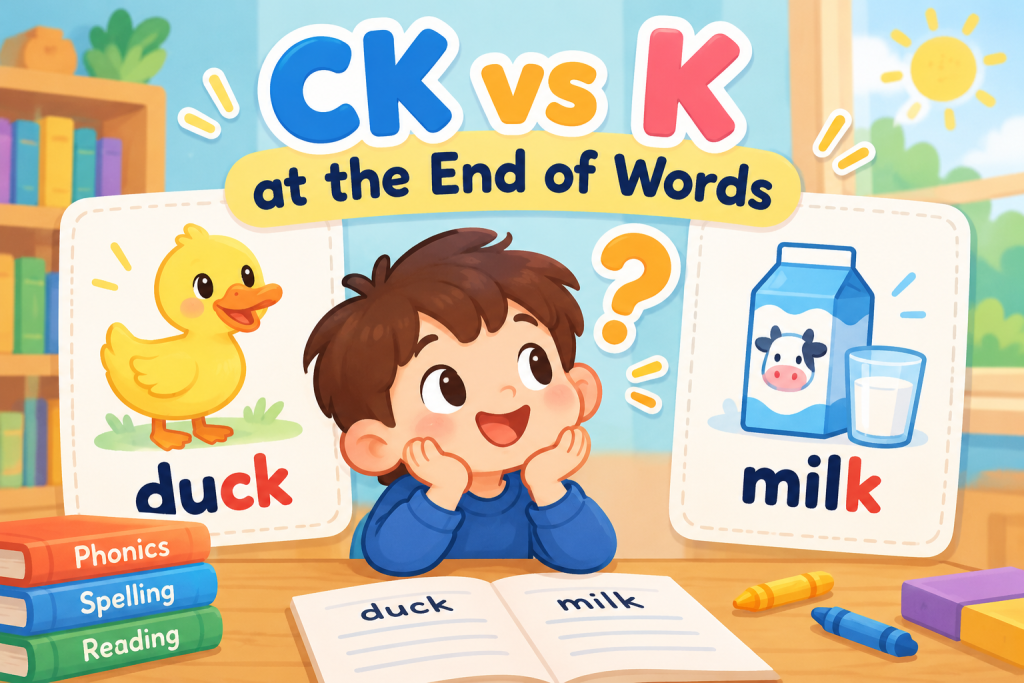
Why does duck end with CK while milk ends with K? Discover the sound clues behind these word endings, then try a short spelling game with answers.
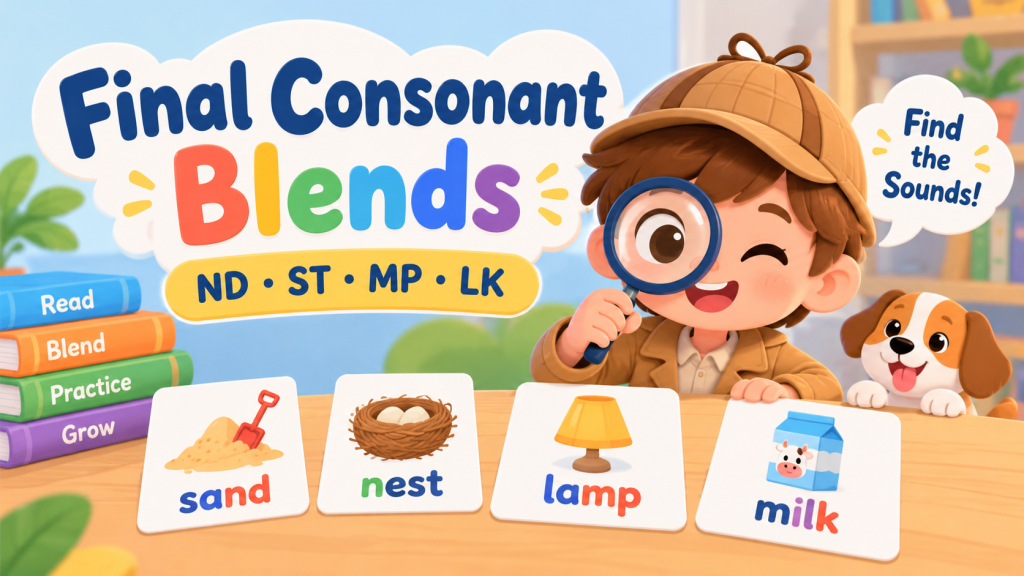
A child reads “hand” as “had” or “nest” as “net.” Learn how to keep both ending consonant sounds with ND, ST, MP and LK examples, sound-by-sound practice and an interactive phonics game.
Final Consonant Blends: Hand, Nest, Lamp and Milk Read More »
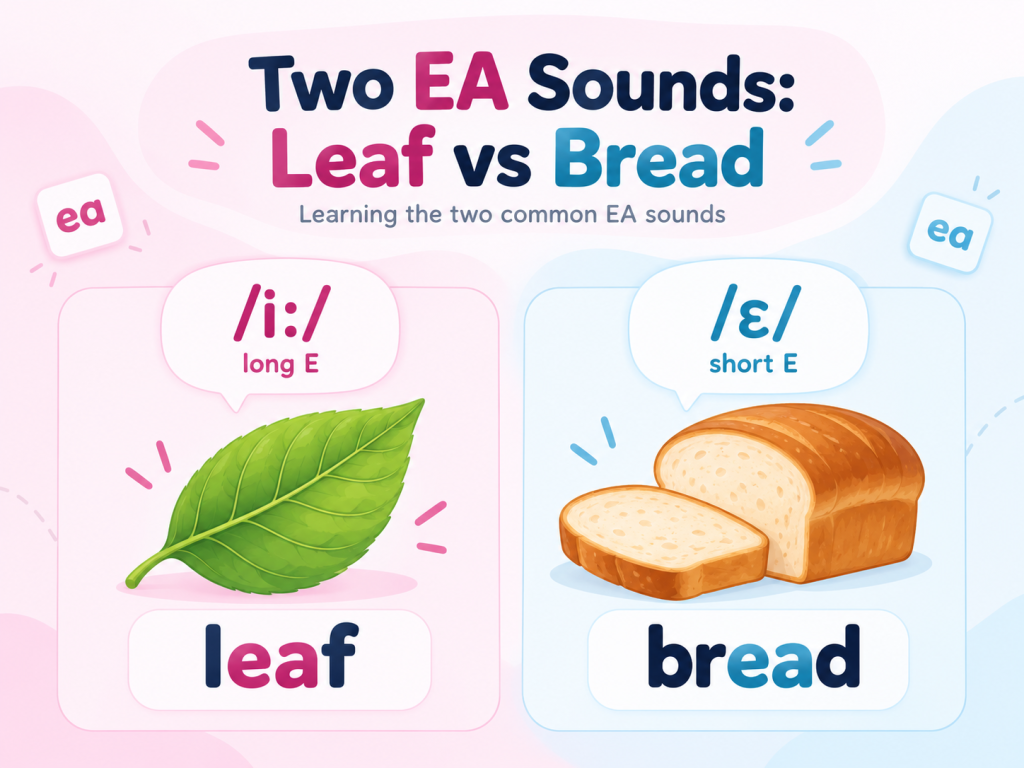
Why does EA sound different in leaf and bread? Explore two common pronunciations, compare familiar word groups, and help young readers recognize the difference through a short interactive phonics game.
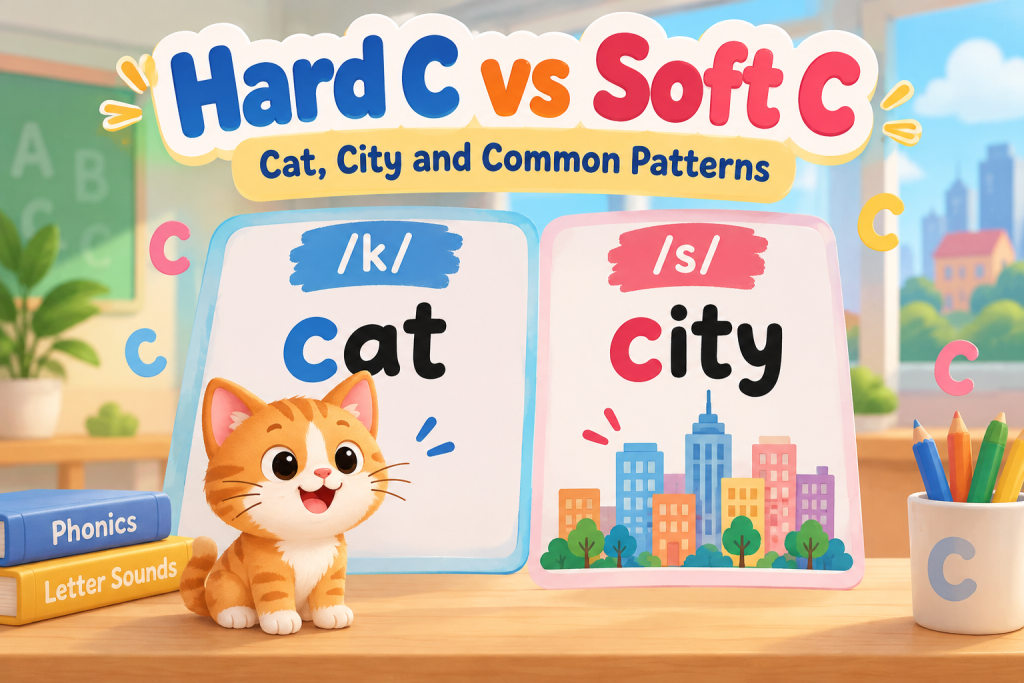
Why does C sound like /k/ in cat but /s/ in city? Discover the common spelling patterns, explore exceptions, and help young readers tell hard and soft C apart with examples and a quick interactive phonics game.
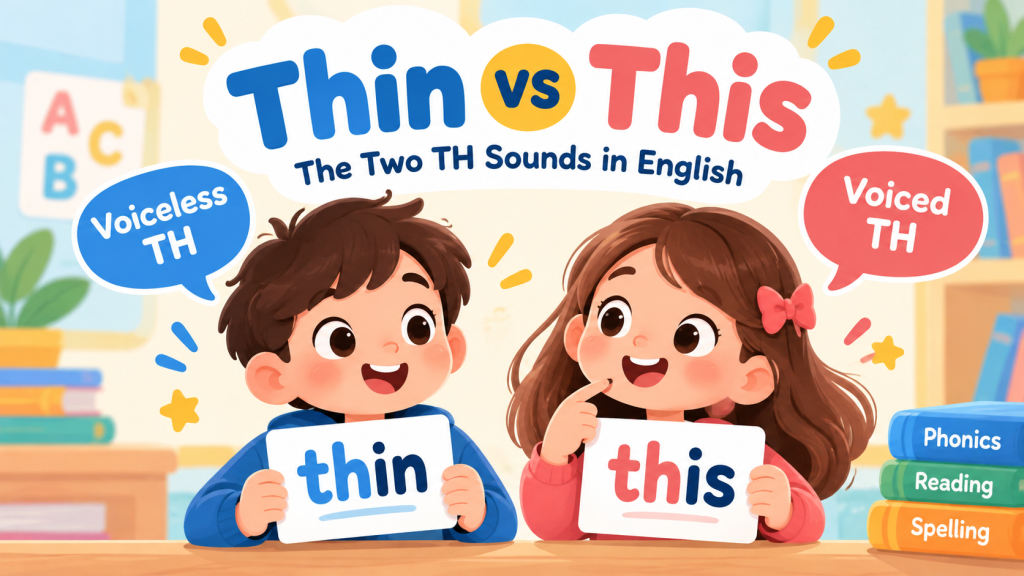
Why do thin and this sound different? Discover the two TH sounds through simple pronunciation clues, familiar word groups, and a short interactive practice.
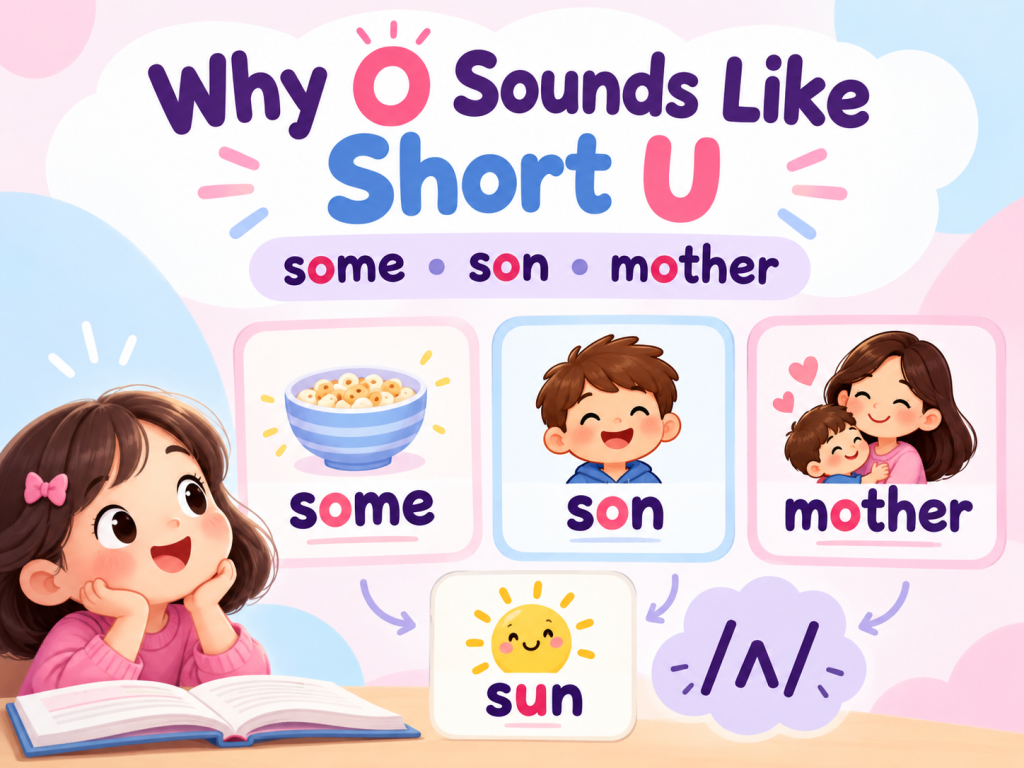
An easy-to-follow phonics guide to O pronounced /ʌ/ in some, son, mother, and related words. Includes sound contrasts, accent notes, an interactive check, and sentence practice with answers.
Why O Sounds Like Short U in Some, Son and Mother Read More »