
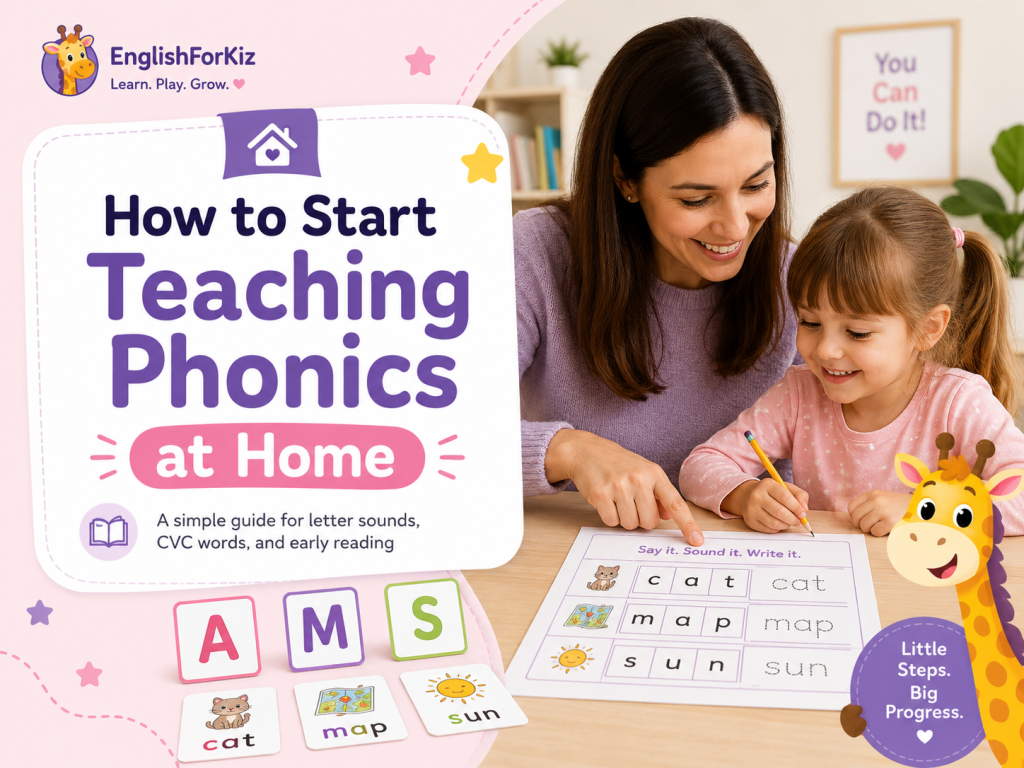
Teaching phonics at home can feel confusing when letter sounds, worksheets, games, flashcards, and early readers all appear at once. However, the process becomes much easier when the routine is short, calm, and repeated often. This guide explains how to begin with sounds, move into CVC blending, and use EnglishForKiz resources in a clear home learning path.
First, phonics should feel like a path, not a pile of random activities. Children learn best when they hear a sound, connect it to a letter, blend it into a short word, and then read it in a simple sentence. For a fuller learning path, EnglishForKiz offers phonics for kids through structured lessons, printable practice, games, stories, and early reading materials.
Also, home practice does not need to become a long lesson. A focused 10 to 15 minutes can support letter sounds, blending, and early reading when the same routine repeats across the week.
Why Home Phonics Practice Works
To begin with, young readers need many small chances to hear and use sounds. A child may not master /m/, /a/, or /t/ after one activity. However, a few minutes of review each day can make those sounds familiar.
At home, adults can notice details that often hide in a busy group lesson. For example, a child may skip the middle sound in map, confuse b and d, or guess from a picture instead of reading the letters. These small signs show where practice should slow down.
In addition, phonics works best when it connects sounds and print in a clear way. Reading Rockets explains that phonics instruction teaches the relationships between written letters and spoken sounds, which is exactly why sound-first practice matters before longer reading tasks. For a parent-friendly explanation, see Reading Rockets: Phonics and Decoding.
Meanwhile, children usually respond better when the lesson feels calm. A short routine after breakfast, after school, or before bedtime can build trust. As a result, phonics becomes part of daily reading instead of a separate struggle.
Start with Letter Sounds, Not Random Words
First, children need to hear the sound before they read the word. Letter names are useful, but letter sounds do the early reading work. For example, the letter m says /m/ as in map, and the letter s says /s/ as in sun.
However, too many sounds at once can overwhelm young learners. A small sound set gives children something useful to blend. For instance, m, s, a, t, p, and n can build words such as sat, mat, map, pan, and nap.
Next, each sound should appear in more than one way. A child can say the sound, point to the letter, trace it in the air, and match it to a picture. In this way, sound, symbol, movement, and meaning work together.
A simple sound-first sequence
- First, say one sound clearly and slowly.
- Next, connect the sound to one printed letter.
- Then, find a picture or object that begins with the sound.
- Finally, blend the sound with other known sounds in a short word.
A Simple 15-Minute Home Routine
Generally, a home phonics lesson should finish before attention fades. Fifteen minutes is often enough for preschool, kindergarten, and early elementary learners. More importantly, the routine needs a clear order.
First, review familiar sounds. Then, practice one target sound. After that, blend a few short words. Finally, end with a worksheet, flashcard review, game, or short reading task.
15-minute phonics routine
- Minute 1–3: Review three to five familiar letter sounds.
- Minute 4–6: Practice one sound with a picture, movement, or oral example.
- Minute 7–10: Blend two or three short CVC words using known sounds.
- Minute 11–13: Complete a brief matching, tracing, or sorting task.
- Minute 14–15: Read one short word list, phrase, or sentence.
Meanwhile, the same routine can adjust to different days. Some lessons may need more listening. Other lessons may need more blending. However, the repeated shape helps children know what comes next.
Move from Sounds to CVC Words
Once several sounds feel familiar, CVC words can begin. CVC means consonant-vowel-consonant, such as cat, map, sit, and dog. These words help children practice blending without too much visual load.
However, blending may feel slow at first. That is normal. Many children need to stretch sounds several times before the whole word becomes smooth. Therefore, use a small word family and repeat it across several days.
For example, the word map can be stretched as /m/ /a/ /p/. Then, the sounds can slide closer together: mmm-aa-p. Eventually, the child reads map as one word.
When to Add Worksheets, Flashcards, Games, and Readers
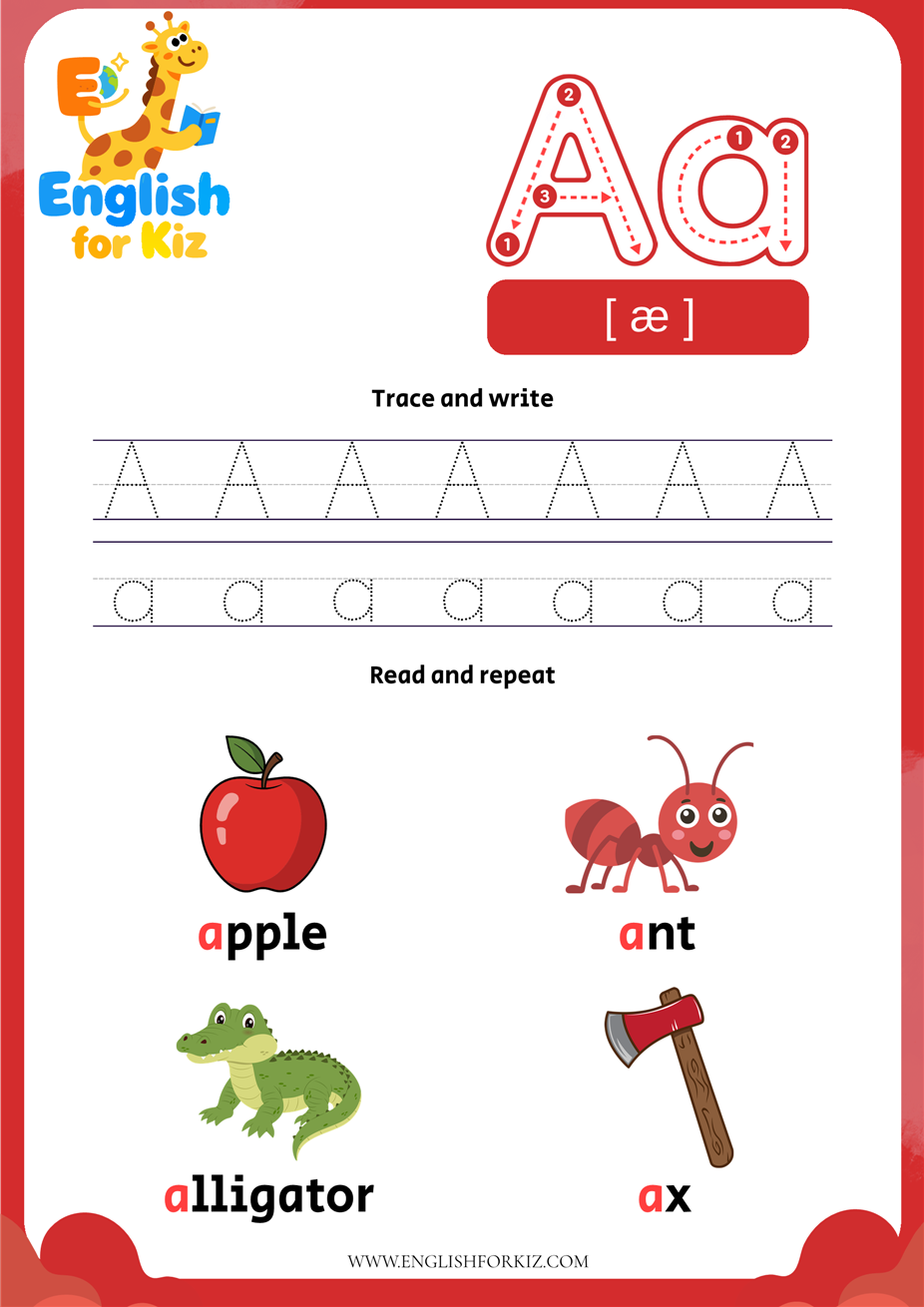
After children know a few sounds, written practice becomes more useful. Worksheets can support tracing, matching, sorting, and word building. Still, paper practice should follow sound practice, not replace it.
Flashcards also work well when the activity stays lively. Instead of racing through a stack, show one card, say the sound, match it to a picture, and blend one short word. In addition, games can make repetition feel active rather than stiff.
Finally, decodable readers should appear when a child can blend several simple words. A decodable text uses sound patterns already taught. Therefore, children can read with phonics instead of guessing from pictures.
Common Home Teaching Mistakes
First, one common mistake is starting with long word lists. A child who is still learning sounds may memorize a few words but miss the reading skill underneath. Instead, begin with sounds and simple blending.
Another mistake is teaching only letter names. Letter names help children talk about the alphabet, but they do not show how to read cat, sit, or mop. Therefore, letter sound practice should appear every day.
Also, worksheets can be overused. A neat page does not always prove that a child can hear and blend sounds. For that reason, written work should be paired with oral practice.
Finally, early readers should match the sounds already taught. If a story includes too many unknown patterns, children may guess. A short decodable text is usually a better first reading step.
A Gentle Weekly Plan
To make planning easier, each day can have one small purpose. This rhythm keeps practice organized without turning every lesson into a new project.
- Monday: Review familiar sounds with cards and oral examples.
- Tuesday: Add one new sound and connect it to pictures.
- Wednesday: Blend three to five CVC words.
- Thursday: Use a short worksheet and quick review game.
- Friday: Read a short word list, phrase, or decodable text.
Related EnglishForKiz Resources
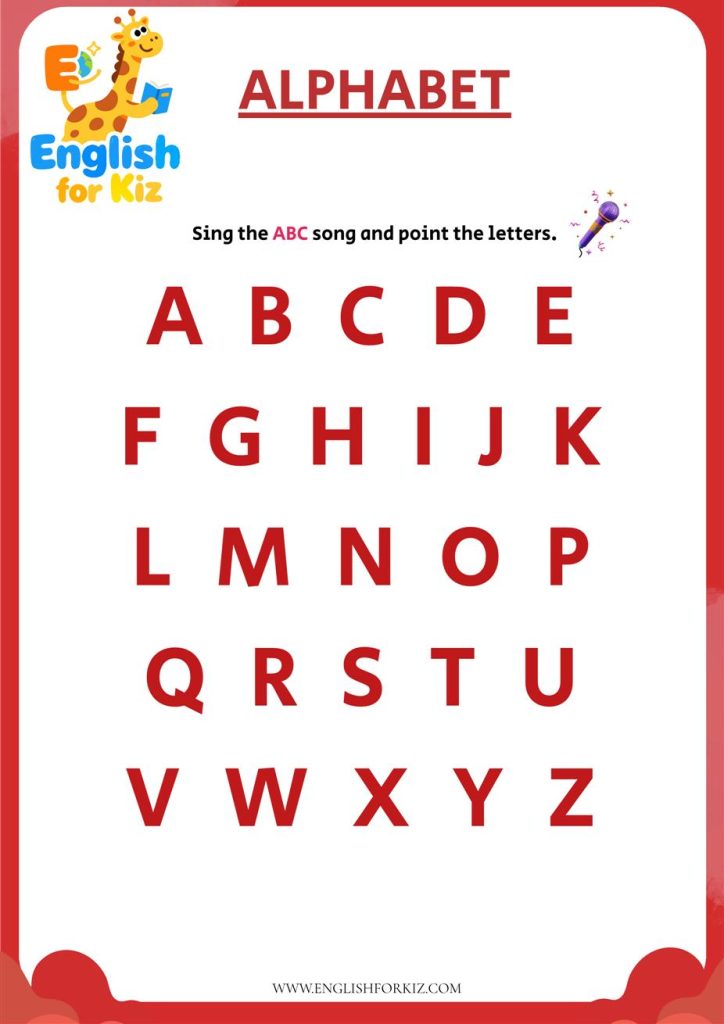
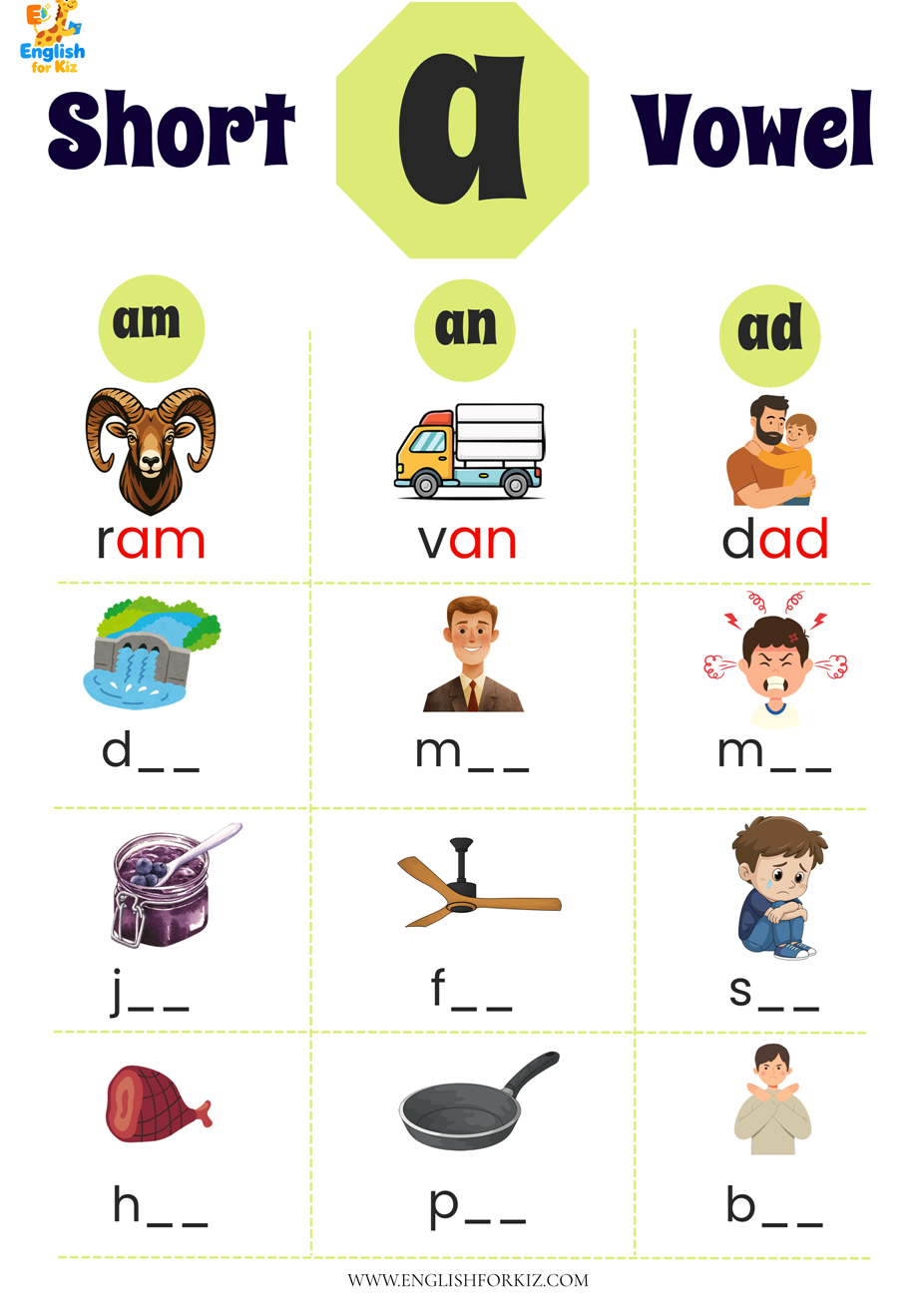
For a smoother home routine, choose one resource type for the skill being practiced. The following EnglishForKiz pages can support different parts of the same learning path.
FAQ
Can parents teach phonics at home?
Yes. Parents can support phonics at home with short, regular practice. The key is to begin with sounds, move into blending, and keep the routine calm and predictable.
How many minutes should children practice phonics each day?
In most cases, ten to fifteen minutes is enough for young learners. A short mix of sound review, blending, and one quick activity usually works better than a long worksheet session.
What should come before CVC words?
Before CVC words, children should practice letter sounds and oral blending. For example, they should hear that /m/, /a/, and /p/ can blend into map.
Are worksheets enough for home phonics?
No. Worksheets are useful, but they should support a wider routine. Children also need to say sounds, hear sound differences, blend words, and read aloud.
When should a child start decodable readers?
Decodable readers can begin when a child can blend several simple words with known sounds. The first texts should be short and closely matched to the sound patterns already practiced.
Final Thoughts
In summary, early phonics works best when the plan is simple, short, and consistent. Children need to hear sounds, connect sounds to letters, blend short words, and then read simple texts. With a steady routine, teaching phonics at home becomes more practical and easier to continue.
- First, begin with a small set of letter sounds and review them often.
- Next, move into CVC blending only when those sounds feel familiar.
- Finally, use worksheets, flashcards, games, and decodable readers in a steady order.
For a complete resource path, EnglishForKiz provides full access to materials that support sound practice, blending, worksheets, games, stories, and early reading.
Start with EnglishForKiz membership