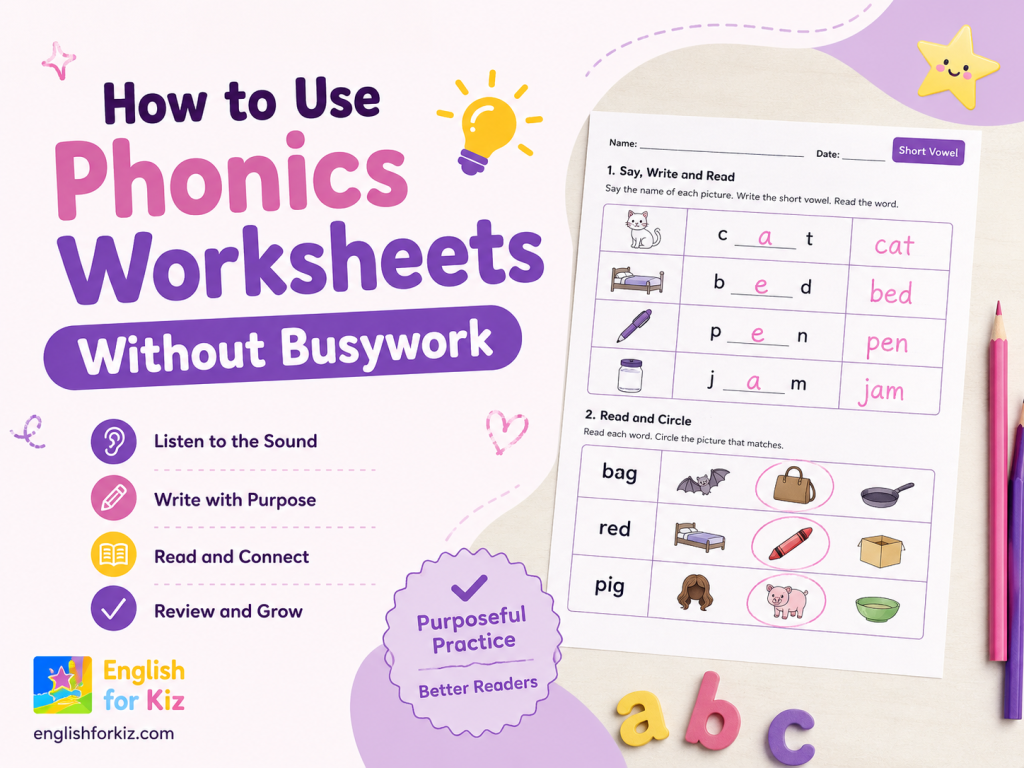
Printable practice can support early reading when it is used with a clear purpose. This guide shows how phonics worksheets can connect listening, blending, writing, reading, and review into one simple routine for parents, teachers, and homeschool families.
Explore Printable WorksheetsQuick Navigation
Good Worksheets Avoid Busywork Match Skills Weekly Routine Home and Classroom Resources FAQ
Many adults look for printable reading practice because they want clear, hands-on support for early literacy. At the same time, there is a real concern: worksheets can become tracing, coloring, and quiet seatwork without enough reading value.
That is why phonics worksheets should not stand alone. First, a child hears the sound. Next, the child sees the letter pattern. Then, the child writes it, reads it, and reviews it later. In that order, printable practice becomes a learning bridge instead of busywork.
What Good Printable Phonics Practice Should Do
Useful printable practice should connect speech sounds with written letters. A child hears /m/, sees the letter m, says the sound, writes the letter, and reads it in a word. In that moment, the page supports one skill from several angles.
Not every printable page builds decoding. Some pages ask children to color, match, or trace without listening carefully. Those activities may look productive, but they do not always help children read unfamiliar words.
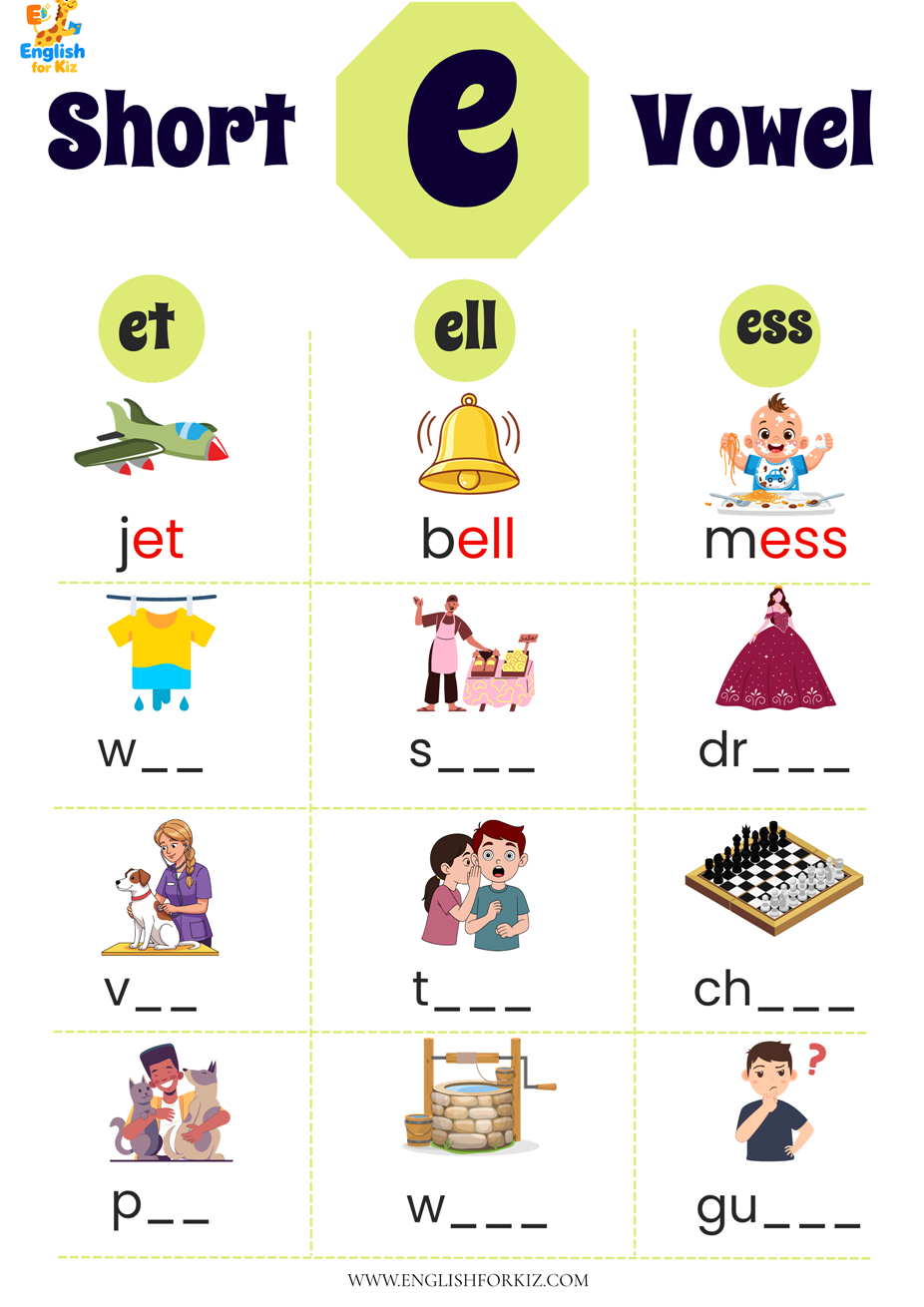
For example, a strong short vowel page may ask children to say each word, listen for the middle sound, write the vowel, and read the word again. In this case, the page supports sound awareness, spelling, handwriting, and decoding together.
Good pages also make review easier. If a child confuses short e and short i, the written answers show that clearly. The next lesson can then return to listening, comparing, and reading those vowel sounds.
This approach also fits the wider principle of systematic phonics instruction. Reading Rockets explains that effective phonics begins with a clear sequence of letter-sound relationships and gives children practice applying those relationships as they read and write. For background reading, see this overview of phonics instruction basics.
A simple worksheet test
- Can the target sound or spelling pattern be named clearly?
- Does the child need to say sounds, not only look at pictures?
- Does the page lead into word reading or sentence reading?
- Can the adult see what needs review after the page is finished?
Why Busywork Does Not Build Reading
Busywork often looks calm and organized. Children may complete several pages, circle pictures, and fill every blank. However, finished paper does not always mean active decoding.
For instance, a child may color every picture that starts with b because the pictures are familiar. Yet the child may not actually listen for /b/. Picture tasks should include oral sound work before children mark answers.
Likewise, tracing letters can support handwriting, but tracing alone does not teach reading. A child can trace m ten times and still not connect m with /m/ in map, mat, or mug. Tracing should be paired with saying and reading.
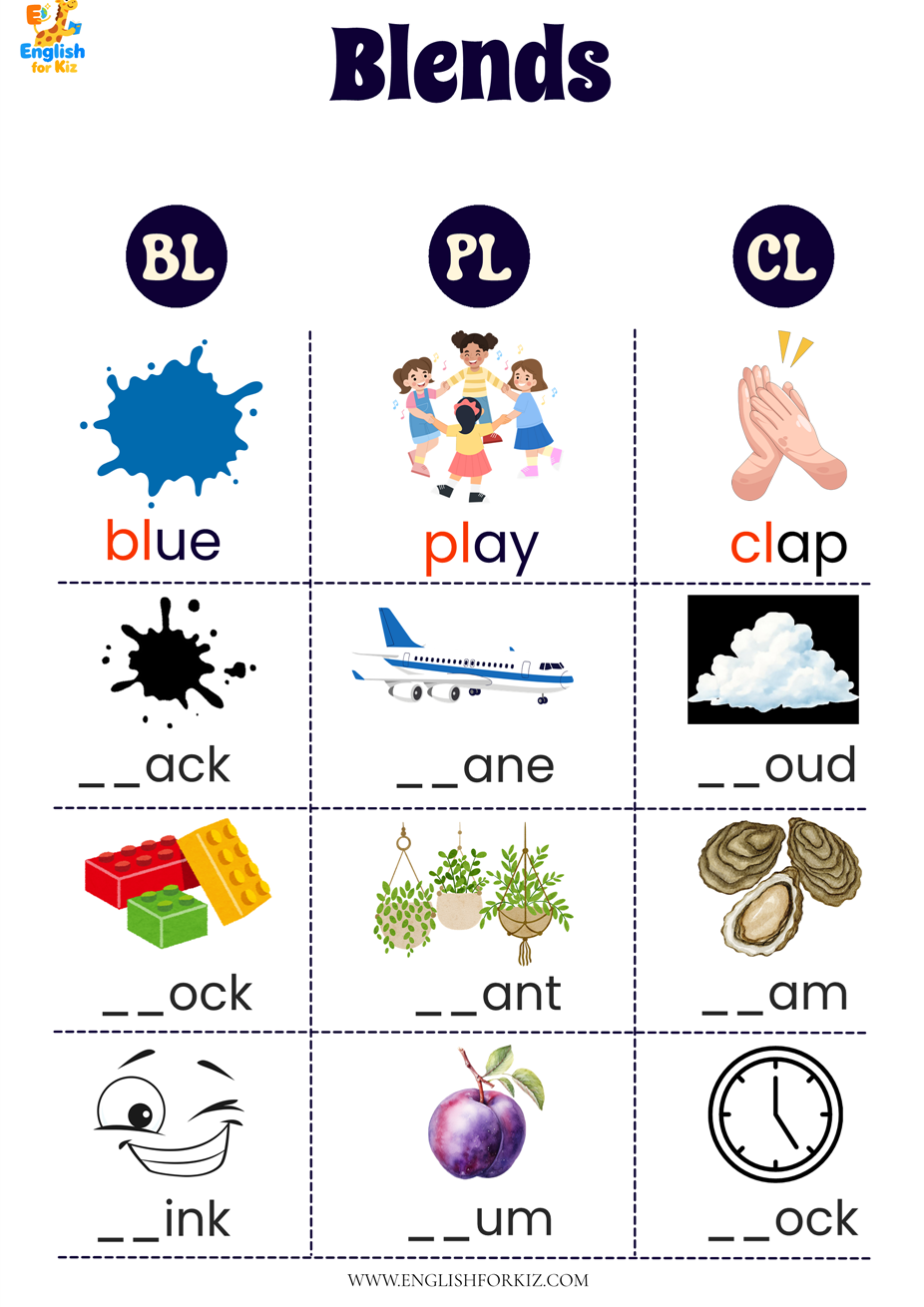
Random pages can also confuse young readers. One page may teach short a. The next page may jump to long vowels. Another may introduce digraphs too early. A structured path for phonics for kids helps children build skills in a calmer order.
Why one focused page works better than a packet
A short page used with listening, speaking, blending, and reading usually works better than a thick packet. The goal is not more paper. The goal is more accurate reading behavior.
How to Match Worksheets to Skills
Choose a page by skill, not by decoration. A preschool child may need letter recognition and beginning sounds. A kindergarten child may need blending and short vowels. First and second grade readers may need blends, digraphs, long vowels, or multisyllabic words.
Make the lesson goal easy to say. For example, the goal might be “hear and write short a.” Another goal might be “blend CVC words with short o.” This simple step helps adults choose the right page.
For early learners, letter-sound practice should come before heavier spelling work. Pages such as letter sounds worksheets work best when children say the sound, find it in words, and write it with support.
After that, blending becomes the next major step. Blending means pushing sounds together to read a word. For example, /s/ /a/ /t/ becomes sat. This skill helps children read new words without guessing.
At this stage, CVC words worksheets can support short vowel practice. Children can say each sound, blend the word, write it, and then read it in a short phrase or sentence.
A Weekly Worksheet Routine That Feels Purposeful
A weekly routine does not need to be complicated. Young readers often do better with a steady pattern. First, introduce the sound. Next, practice it on paper. Then, read it in words and sentences. Finally, review it later.
Monday: Teach the sound
Start with listening and speaking. Say several words that share the target sound. Then show the letter or spelling pattern. This warm-up prepares children before pencil work begins.
Tuesday: Blend and write
Use a short page for blending and spelling. Children can tap sounds, point under letters, and write selected words. Adults can listen for vowel confusion or guessing.
Wednesday: Add a game
Add a quick game or flashcard review. This keeps the same skill active in a new format, so children get repetition without feeling like every lesson is the same worksheet.
Thursday: Read connected text
Move from words into a short sentence or decodable reader. This step matters because the final goal is reading, not page completion. Every written task should lead back to print that children can read.
Friday: Review lightly
End the week with a small review. Children may read five words, write two words, and read one sentence. If the skill still feels shaky, repeat it with easier examples before moving on.
How Families and Teachers Can Use Pages Differently
At home, printable practice should feel like a short reading habit. One page, one skill, and one small reading task are often enough. The page can also be split across two days if attention fades.
In classrooms, worksheets often work best in small groups. The teacher can introduce the target sound, model one item, listen as children try the next items, and then use the finished page to plan review.
For homeschool lessons, the same structure can stay flexible. A child may answer orally before writing. Another child may use letter tiles before pencil work. In each case, the page supports the learner instead of controlling the lesson.
Related EnglishForKiz Worksheet Pages
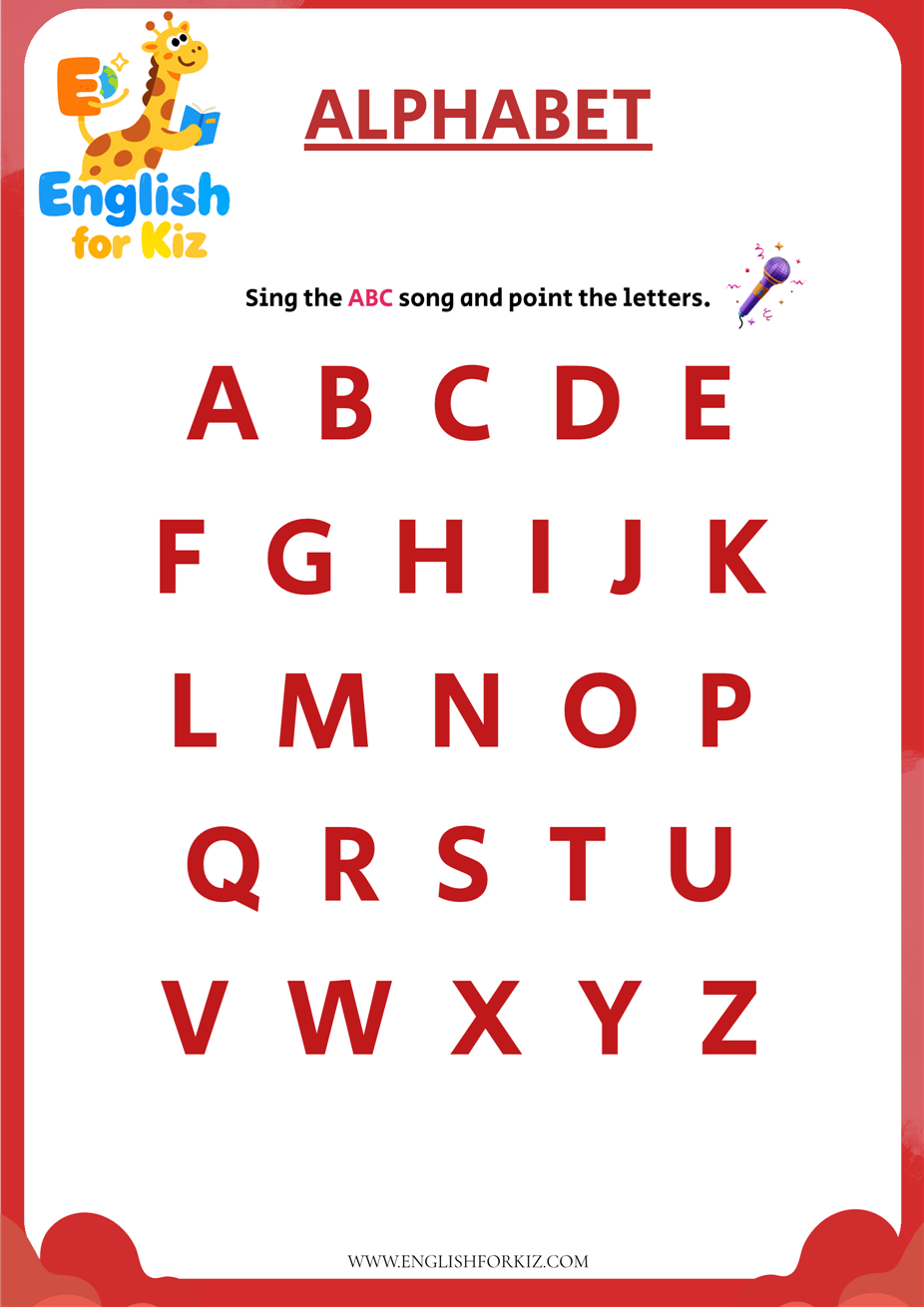
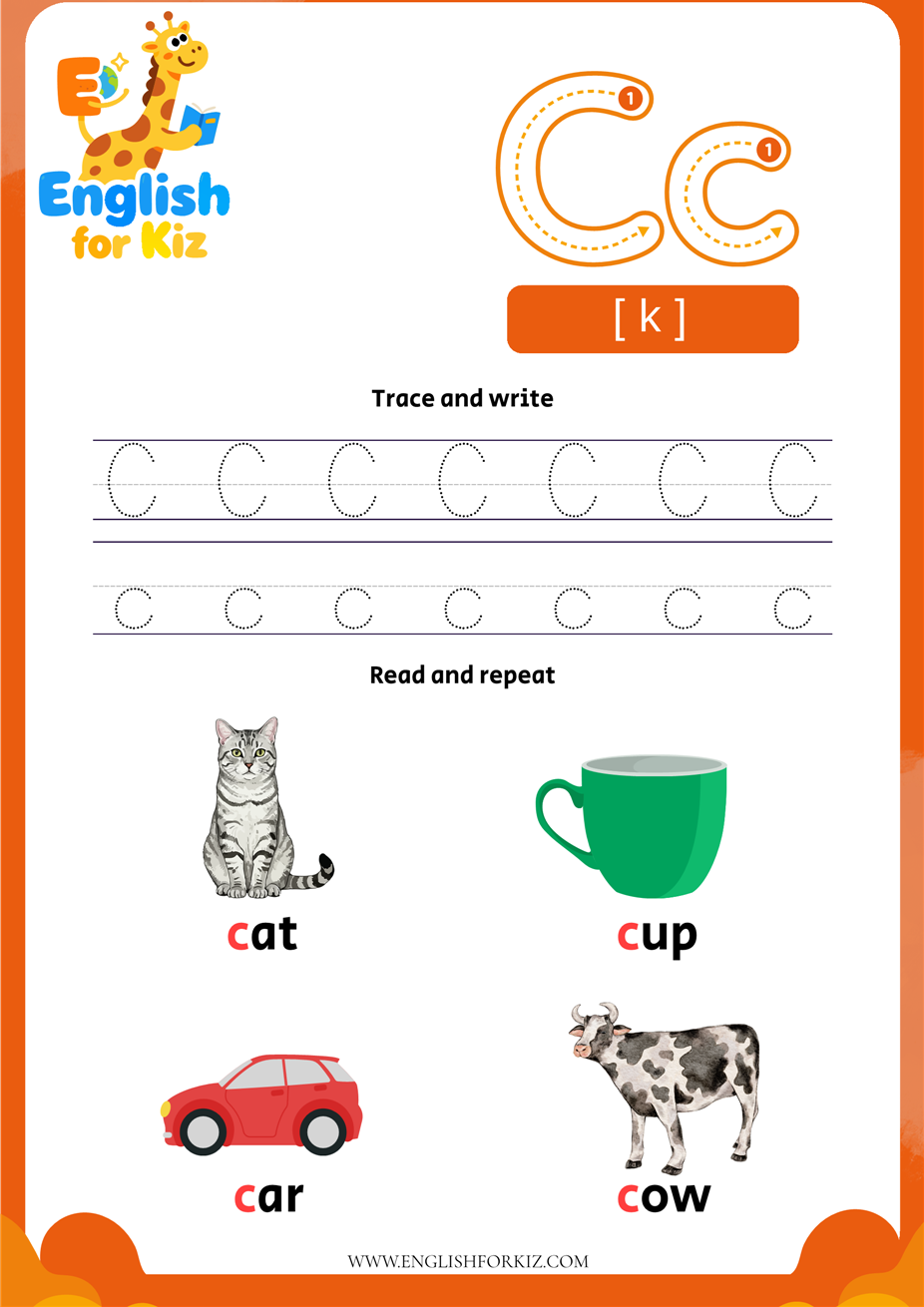
The following resource pages fit the learn, write, read, and review routine. Each card points to a focused EnglishForKiz page, so practice can stay organized by skill.
Extended Reading and Practice Ideas
For a complete routine, printable work should connect with several formats. Video lessons can introduce a sound. Flashcards can support quick recall. Games can add review. Decodable readers can show whether the skill transfers into real reading.
In addition, a membership path can reduce scattered planning. Instead of collecting unrelated downloads, adults can follow a more organized sequence across worksheets, games, flashcards, video lessons, and readers.
A simple practice path
- First, introduce one sound or spelling pattern.
- Next, complete a short printable task with oral sound work.
- Then, play a quick review game or use flashcards.
- Finally, read words, phrases, sentences, or a decodable reader using the same pattern.
FAQ
What makes a good phonics worksheet?
A good page focuses on one clear skill. It may teach a letter sound, a short vowel pattern, a CVC word family, or a digraph. It should also ask children to listen, say, read, and write, rather than only color or copy.
How many worksheets should children do each week?
A few focused pages each week are usually enough for young readers. The exact number depends on age, attention, and reading level. One purposeful page linked to sound work and reading can help more than a long packet.
Should worksheets come before games?
Not always. Children first need a short lesson that introduces the sound or pattern. After that, either a game or a worksheet can come next. The best order depends on whether the goal is warm-up, spelling, blending, or review.
Can worksheets help with blending?
Yes, they can help when children work sound by sound. For example, a page can guide children to say /s/ /a/ /t/ and then blend sat. Still, blending should happen aloud, not only on paper.
Are printable phonics worksheets useful at home?
Yes, they can be useful at home when practice stays short and clear. A simple routine works well: introduce the sound, complete part of a page, read a few matching words, and review later.
Build a Complete Learn, Write, Read, Review Routine
In the end, phonics worksheets work best when they support a full reading loop. First comes sound. Then comes print. After that, children write, read, play, and review. For parents, homeschool families, and teachers who want one organized phonics path, EnglishForKiz offers structured worksheets, games, readers, flashcards, and video lessons in one place.
- Choose one skill per lesson.
- Pair every worksheet with oral blending and reading.
- Review older sounds in small, steady steps.