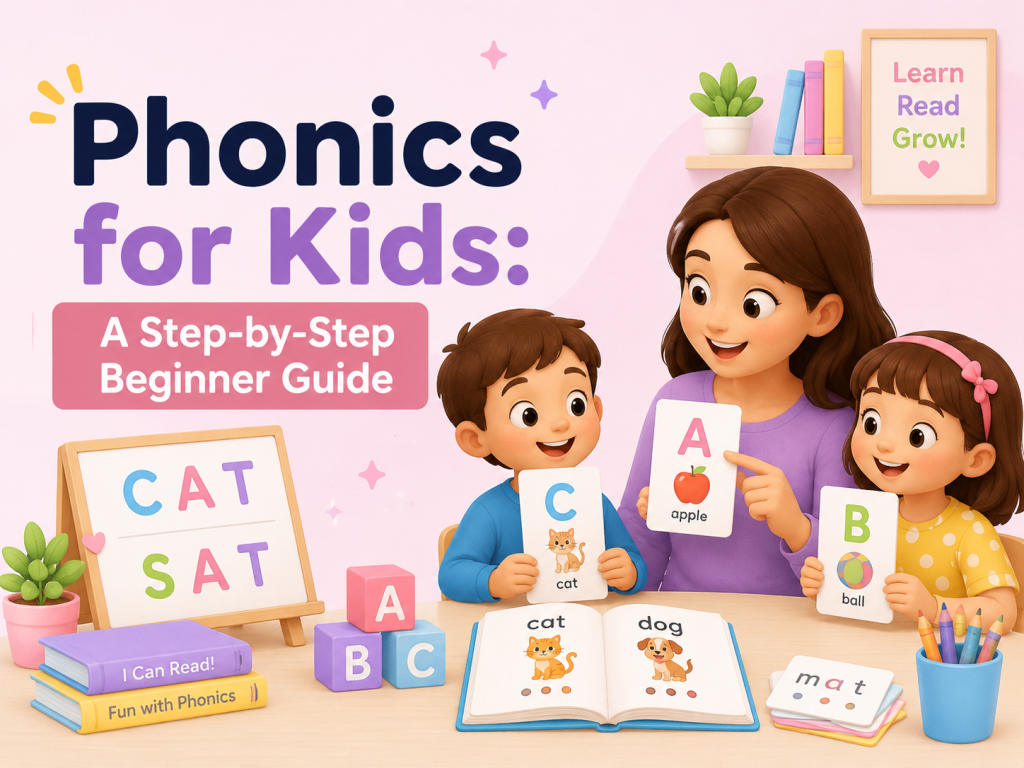
A child may sing the alphabet song with confidence but still pause at a simple printed word. That moment can feel confusing for parents, teachers, and homeschool families. However, it usually means the child needs a clearer bridge between spoken sounds and written letters, not more random practice.
For that reason, a complete learning path matters. A strong beginner routine moves from sound awareness to letter sounds, then to blending, spelling, and decodable reading. EnglishForKiz gives early learners a structured place to start with phonics for kids, while keeping worksheets, games, stories, and lesson practice connected.
This guide explains what to teach first, how to adjust practice by age, and how to use EnglishForKiz resources as one reading pathway instead of separate activities. The goal is simple: help children move from hearing sounds to reading real text with more confidence.
What Is Phonics for Young Readers?
In simple terms, phonics teaches children how sounds connect to letters. A child hears /m/ and learns that the letter m can represent that sound. Later, the child sees m in a word and uses that sound to read.
However, early reading is not only letter naming. Children also need to hear sounds in spoken words, blend sounds together, break words apart for spelling, and read short text that matches what they have learned. These skills work together, so instruction should not feel scattered.
For example, a beginner may first hear that sun starts with /s/. Next, the child learns that s represents /s/. After that, the child blends /s/ /u/ /n/ to read sun. This small step matters because the child is using a code, not only memorizing a word shape.
In addition, phonics supports spelling. When children can hear the sounds in map, they can try to write m, a, and p. Therefore, strong reading practice should include both decoding and simple spelling from the beginning.
Why a Step-by-Step Path Matters
First, beginning readers need the right amount of challenge. If a book is too difficult, children may guess from pictures or wait for an adult to say each word. If practice is too easy, the lesson may feel busy but not useful.
Therefore, a clear order protects progress. Children begin with oral sound awareness, then connect sounds to letters. After that, they blend short words, spell simple patterns, and read sentences or stories using patterns already taught.
This sequence also helps adults plan better. Parents do not need to search for random printables every night. Teachers can group children by skill need. Homeschool families can adjust the pace while still following a logical reading roadmap.
For a research-informed reference, the IES What Works Clearinghouse foundational reading practice guide recommends building sound awareness, linking sounds to letters, and teaching decoding and word recognition in the early grades. This supports the same kind of structured reading path used in strong beginner instruction.
A Beginner-Friendly Learning Order
- Sound awareness: Children hear beginning sounds, ending sounds, rhymes, and simple spoken word parts.
- Letter sounds: Children learn a small group of useful sounds before meeting too many new letters.
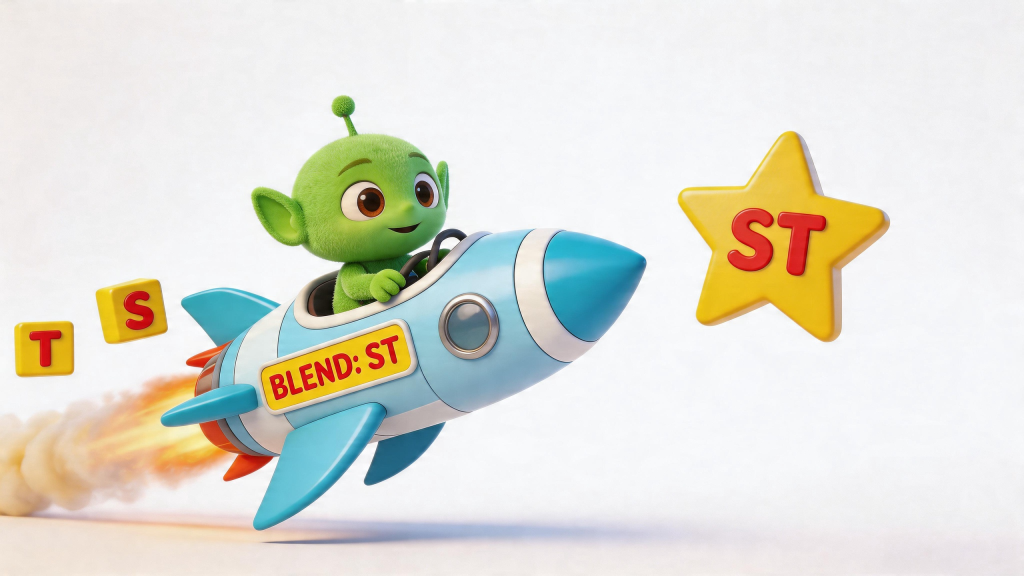
- Blending: Children put sounds together to read short words such as sat, map, pin, and hop.
- Segmenting: Children break spoken words into sounds for spelling and writing practice.
- Decodable reading: Children read short sentences and stories that match taught patterns.
Overall, this order prevents a common beginner problem. Children are less likely to face spelling patterns before they are ready. Instead, each new activity strengthens a skill that has already been introduced.
Age-by-Age Learning Plan: Preschool to 2nd Grade
Age helps with planning, but skill level matters more than the calendar. Some preschool children are ready for letter sounds. Some first graders still need short vowel review. Therefore, the best plan uses grade expectations as a guide while watching how the child actually reads.
Ages 3–4
Preschool
At this stage, children need playful sound exposure. Letter songs, picture matching, tracing, and beginning-sound games work well.
- Hear rhymes and first sounds.
- Trace uppercase and lowercase letters.
- Match familiar pictures to sounds.
Ages 5–6
Kindergarten
Kindergarten is often the bridge from sound practice to real word reading. Short vowels and CVC words become central.
- Blend CVC words like sat and pin.
- Spell simple short vowel words.
- Read short decodable sentences.
Ages 6–7
1st Grade
First grade usually expands decoding. Children meet blends, digraphs, Magic E, and longer sentence reading.
- Read blends such as bl, sn, and fl.
- Practice sh, ch, th, and Magic E.
- Reread short passages for fluency.
Ages 7–8
2nd Grade
Second grade work often supports independence. Children read longer words, vowel teams, suffixes, and multisyllabic patterns.
- Decode vowel teams and r-controlled vowels.
- Break longer words into syllables.
- Read stories with stronger stamina.
This age plan also helps adults choose resources with purpose. A preschool learner may need video lessons, flashcards, and tracing. A kindergarten learner may need CVC worksheets and simple games. A first or second grader may need decodable stories, spelling review, and fluency practice.
A Practical Daily Routine for Home or Classroom
A strong lesson does not need to be long. In fact, short and focused practice often works better for young learners. The routine should be predictable enough to feel safe and varied enough to keep attention.
First, begin with review. Children can say known sounds, read two or three familiar words, or blend one word aloud. This warm-up keeps earlier learning active and reduces frustration when new material appears.
Next, teach one new pattern or review one weak skill. A focused target helps the lesson stay clear. Then practice should move through sound work, word reading, spelling, and short connected reading.
20-Minute Beginner Routine
- Minute 1–3: Review known sounds and two familiar words.
- Minute 4–6: Model one sound, spelling pattern, or blending skill.
- Minute 7–10: Practice reading and spelling short words.
- Minute 11–15: Use a worksheet, sorting task, or focused game.
- Minute 16–20: Read a decodable sentence or short story section.
Of course, timing can change. Preschool lessons may last only five to ten minutes. Older beginners may handle longer practice. Still, the lesson shape remains helpful: review, teach, practice, read, and close with one clear success.
Use EnglishForKiz Resources as a Teaching Path
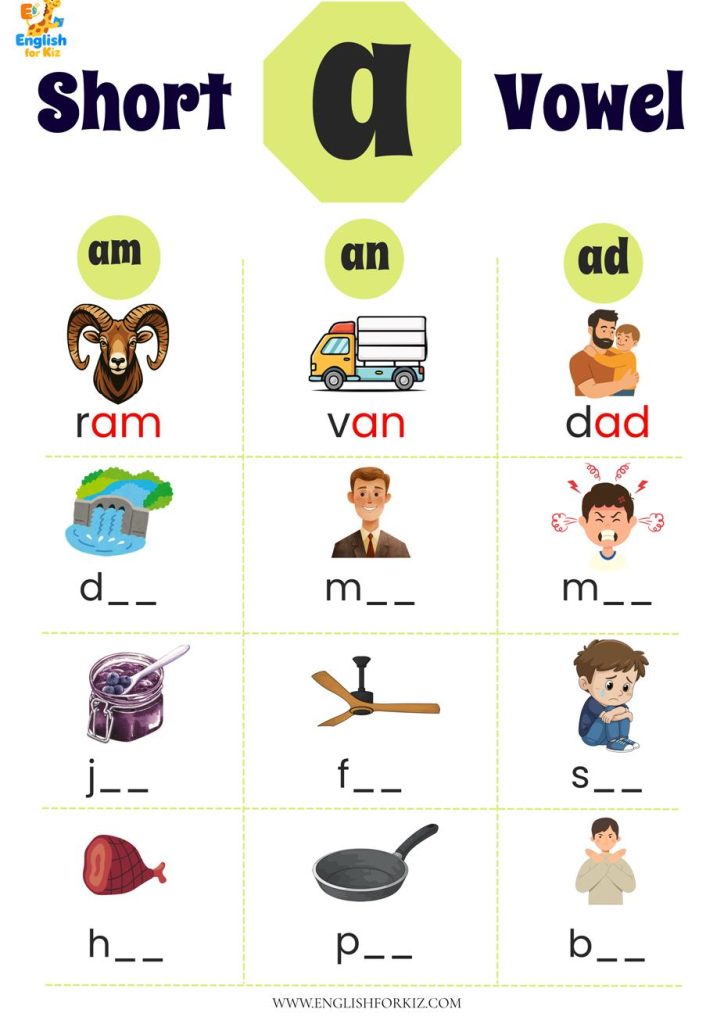
The strongest resource plan does not start with “find something fun.” Instead, it starts with one reading target. For example, a kindergarten lesson may focus on short a. Every resource used that day should support that same target.
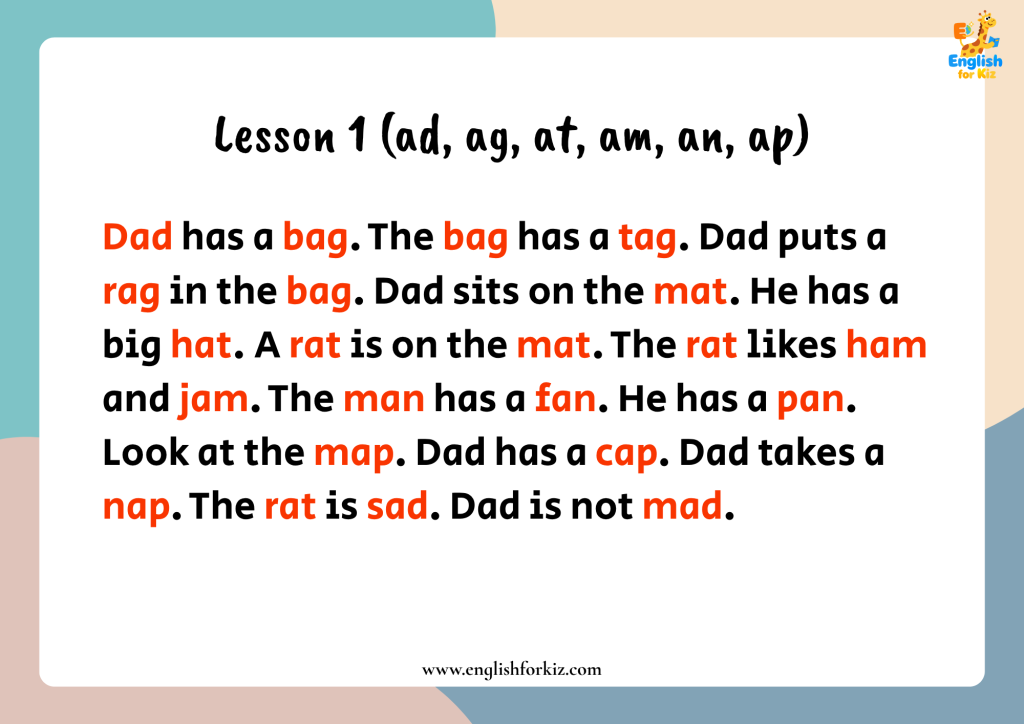
In practice, the path can look like this: watch a short lesson, write the pattern, review it through play, then read it inside a decodable story. This gives children several chances to meet the same pattern without feeling like they are repeating the exact same task.
A Weekly Example That Feels Connected
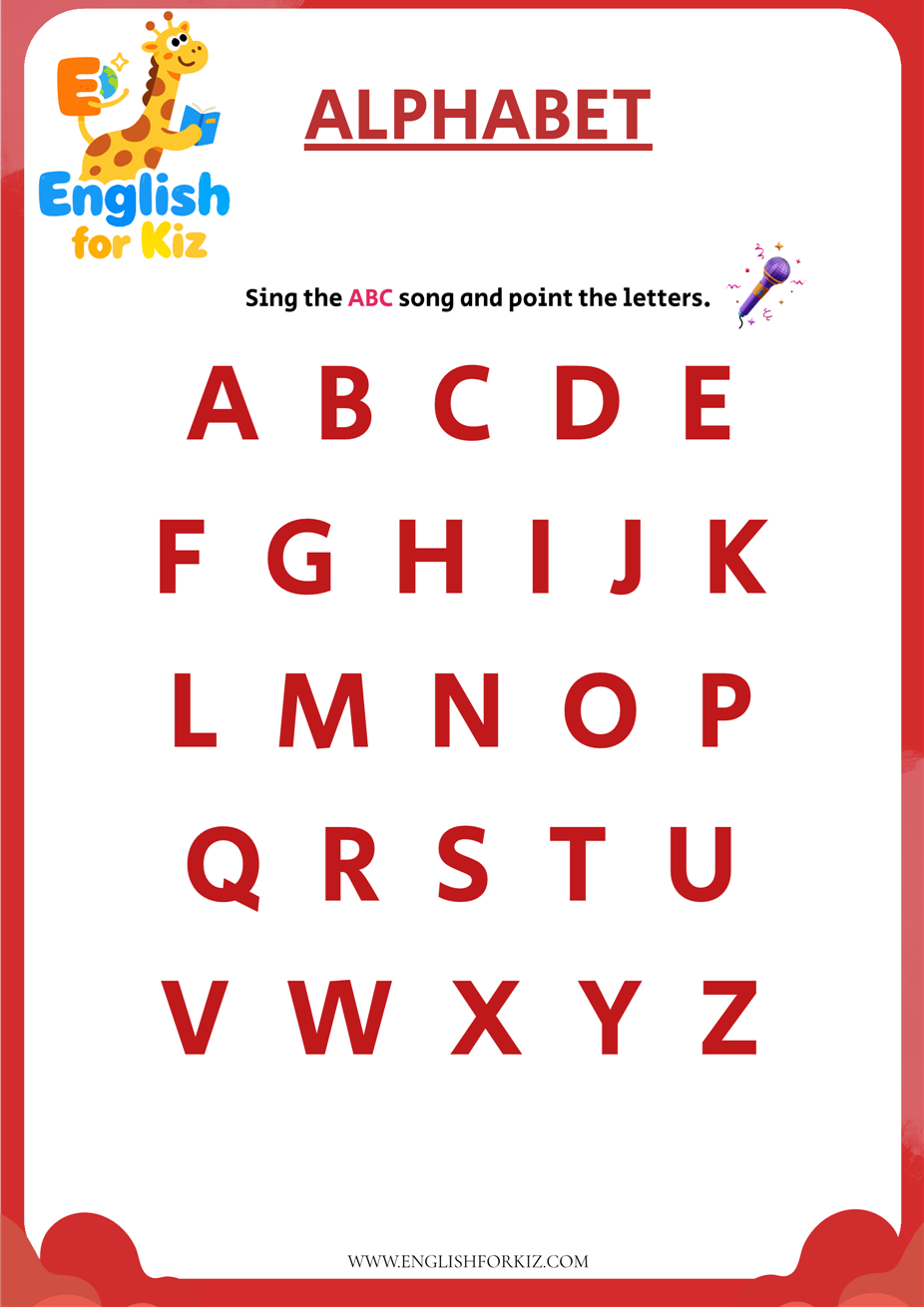
A connected week helps children revisit the same reading target in different ways. For example, short a can appear in a video lesson, a handwriting page, a matching game, and a short decodable story. This repetition builds memory without making every day feel identical.
- Monday: Introduce the sound through a short video lesson and oral blending.
- Tuesday: Read and write target words on a focused worksheet.
- Wednesday: Review the same pattern through a game or sorting task.
- Thursday: Read short sentences using the pattern.
- Friday: Read a decodable story and review tricky words.
This weekly rhythm is useful for classrooms and home practice. It gives adults a plan, and it gives children enough repetition to remember the pattern. Meanwhile, review from earlier lessons can appear for a few minutes each day.
Common Beginner Mistakes to Avoid
First, avoid teaching too many sounds at once. A full alphabet chart looks complete, but it can overwhelm a beginner. A small set of useful sounds often creates better early progress.
Second, avoid focusing only on letter names. Letter names are helpful, but reading needs sounds. A child can know the name of b and still need practice using /b/ to read bat.
Third, avoid letting picture guessing become the main strategy. Pictures can support meaning, but children should still check the letters. A calm prompt such as “look at the first sound” can bring attention back to print.
Finally, avoid long correction sessions. A short model, another try, and a smooth reread usually work better. This keeps the lesson moving and protects confidence.
How to Know When a Child Is Ready to Move On
Readiness shows up in small behaviors. A child begins to look at letters instead of guessing. The child blends unfamiliar words with lighter support. Spelling also starts to show the correct number of sounds.
However, perfection is not required. A child may still make mistakes and be ready for the next small step. The key question is whether the child can use the current pattern with reasonable accuracy.
- The child recalls most taught sounds without long pauses.
- The child blends short words with light support.
- The child can spell simple words by listening for sounds.
- The child reads short sentences using taught patterns.
- The child can correct some errors after checking the letters.
If those signs are not visible yet, review is not a setback. Instead, it is part of strong reading instruction. Children often need several rounds of practice before a pattern becomes automatic.
A Calm Way to Support Struggling Readers
Some children need more time with the same skill. That does not mean the program is failing. Often, one missing step is causing the difficulty. For example, a child may know letter sounds but still need oral blending practice.
In that case, the adult can return to spoken words first. Say /m/ /a/ /p/ and ask the child to say map. Then show the printed word. This bridge connects the ear to the eye.
If short vowels are confusing, reduce the number of choices. Compare two sounds before comparing all five. For example, short a and short i can be practiced through simple word pairs before more vowels are added.
If reading is slow, reread short decodable passages. The purpose is not speed alone. The purpose is smoother reading after accurate decoding. A short page read twice with success can be more useful than a long page read with frustration.
Related EnglishForKiz Resources
EnglishForKiz is built around a Preschool to 2nd Grade reading path. The platform connects animated lessons, worksheets, games, flashcards, and decodable stories. Therefore, adults can plan lessons by skill instead of collecting disconnected activities.
For families, teachers, and homeschool users who want the full learning library in one place, EnglishForKiz membership can make planning easier. It is most useful when a lesson introduces the pattern, a worksheet strengthens spelling, a game reviews recognition, and a story brings the pattern into reading.
Final Summary
Overall, early reading becomes easier when the path is clear. Children first hear sounds, then connect sounds to letters, blend words, spell simple patterns, and read decodable text. Each step supports the next one.
In addition, resource variety works best when every activity points toward the same goal. A video lesson, worksheet, game, and story should not feel like four separate lessons. They should help the child practice one skill in different ways before moving forward with phonics for kids.
- Start small: Choose one sound, word family, or spelling pattern for the day.
- Use a mix: Combine short teaching, written practice, active review, and decodable reading.
- Review often: Check blending, spelling, and sentence reading before moving ahead.