Creative Blending Words: Fun Examples
Language is a living, breathing entity. Every day, it evolves to accommodate new technologies, shifting cultural trends, and our innate desire for playful expression. One of the most fascinating ways our language grows is through the art of blending. Whether you are a marketer inventing a catchy brand name, a writer playing with prose, or a teacher helping a child read their very first sentence, the concept of blending is everywhere.
In this comprehensive guide, we will explore some of the most creative blending words examples, uncover the rules behind making them, and dive deep into how blending functions as a foundational pillar in early literacy.

What Are Blended Words?
In linguistics, a blended word—often referred to as a portmanteau—is created by combining two different words to create a new word that merges the meanings of the originals. This morphological process of word formation involves taking parts of two existing words (often the beginning of one and the end of another) and squishing them together.
Before we look at specific blending words examples, it is important to understand the difference between compound words vs portmanteaus.
- Compound Words: These are formed by joining two complete words together without altering their spelling. For example, sun + flower becomes sunflower.
- Portmanteaus (Blended Words): These are formed by overlapping or clipping parts of the original words. For example, motor + hotel becomes motel.
A List of Common English Portmanteaus
The English language is packed with blended words that we use so frequently, we often forget they are actually combinations of two distinct concepts. The history of these words is rich; in fact, the term “portmanteau” itself was popularized by the famous author of Alice’s Adventures in Wonderland. The Lewis Carroll literary portmanteaus in his poem “Jabberwocky” gave us words like chortle (chuckle + snort) and galumph (gallop + triumph).
Today, our vocabulary is expanding faster than ever. If you were to sit down and write out 100 examples of blending words, you would find them seamlessly integrated into every facet of modern life. Here is a curated list of common english portmanteaus categorized by how we use them today:
Everyday Classics
- Smog: Smoke + Fog
- Brunch: Breakfast + Lunch
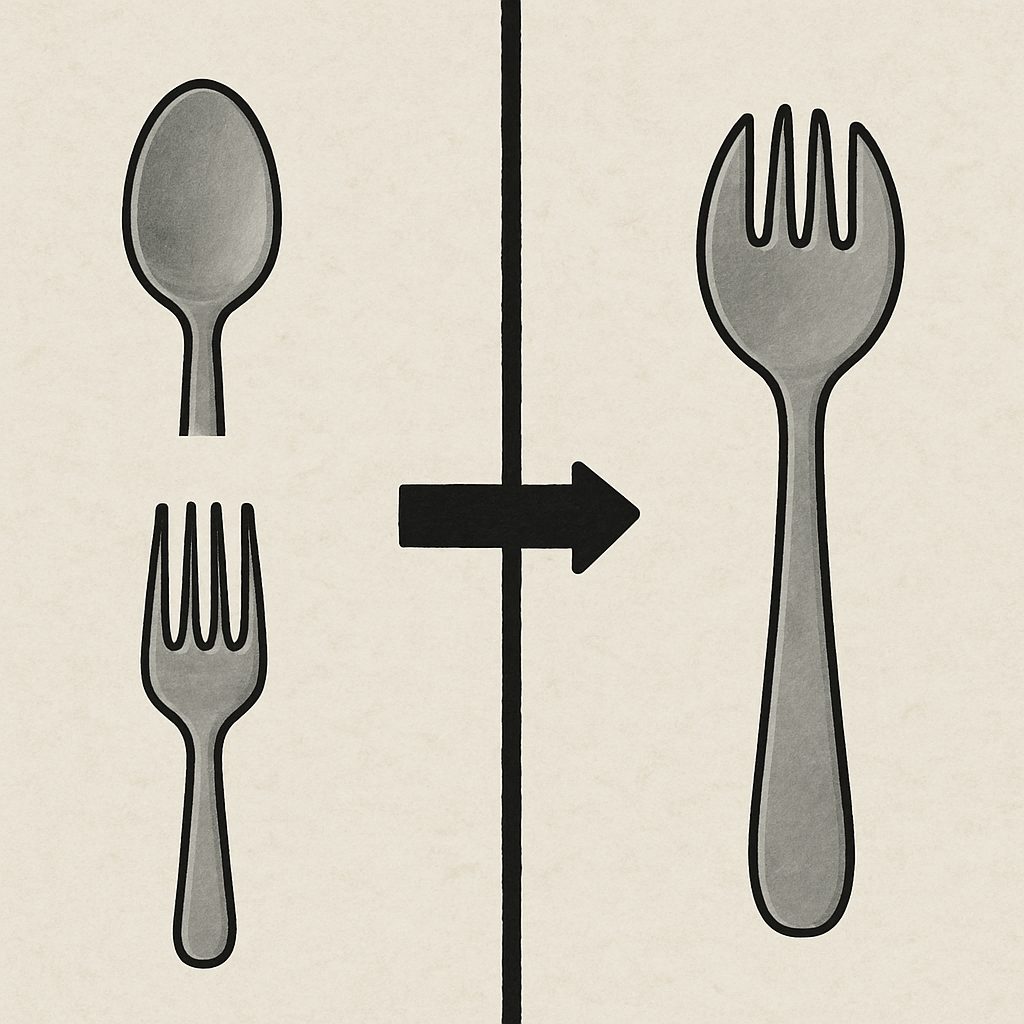
- Spork: Spoon + Fork
- Motel: Motor + Hotel
- Glimmer: Gleam + Shimmer
Technology and Science
- Podcast: iPod + Broadcast
- Malware: Malicious + Software
- Pixel: Picture + Element
- Cyborg: Cybernetic + Organism
- Bionic: Biology + Electronic
Modern Slang Portmanteaus
Internet culture moves fast, and modern slang portmanteaus reflect our need to type and speak efficiently while conveying complex emotions.
- Hangry: Hungry + Angry
- Chillax: Chill + Relax
- Frenemy: Friend + Enemy
- Mansplain: Man + Explain
- Glamping: Glamorous + Camping
The Art of Creating New Words
Have you ever wondered how copywriters and linguistic trendsetters come up with catchy new terms? There are specific portmanteau word formation rules and techniques for creating new blended words that make them sound natural rather than forced.
- Overlapping Sounds: The best blends share a common vowel or consonant sound. For example, the word slithy (slimy + lithe) shares the “li” sound, making the transition seamless.
- Clipping: This involves taking the first syllable of one word and the last syllable of another. Think of sitcom (situational + comedy).
- Maintaining Stress Patterns: A successful blended word usually mimics the rhythmic stress of at least one of its root words, making it easy to say out loud.
Understanding these rules is incredibly valuable in the business world. Marketing experts frequently rely on creative neologisms for branding to craft memorable, trademarkable company names. Consider massive brands like Netflix (Internet + Flicks), Groupon (Group + Coupon), or Instagram (Instant camera + Telegram). By blending words, these companies immediately communicate their value proposition while maintaining a unique identity.
From Wordplay to Literacy: Blending Letters in Phonics
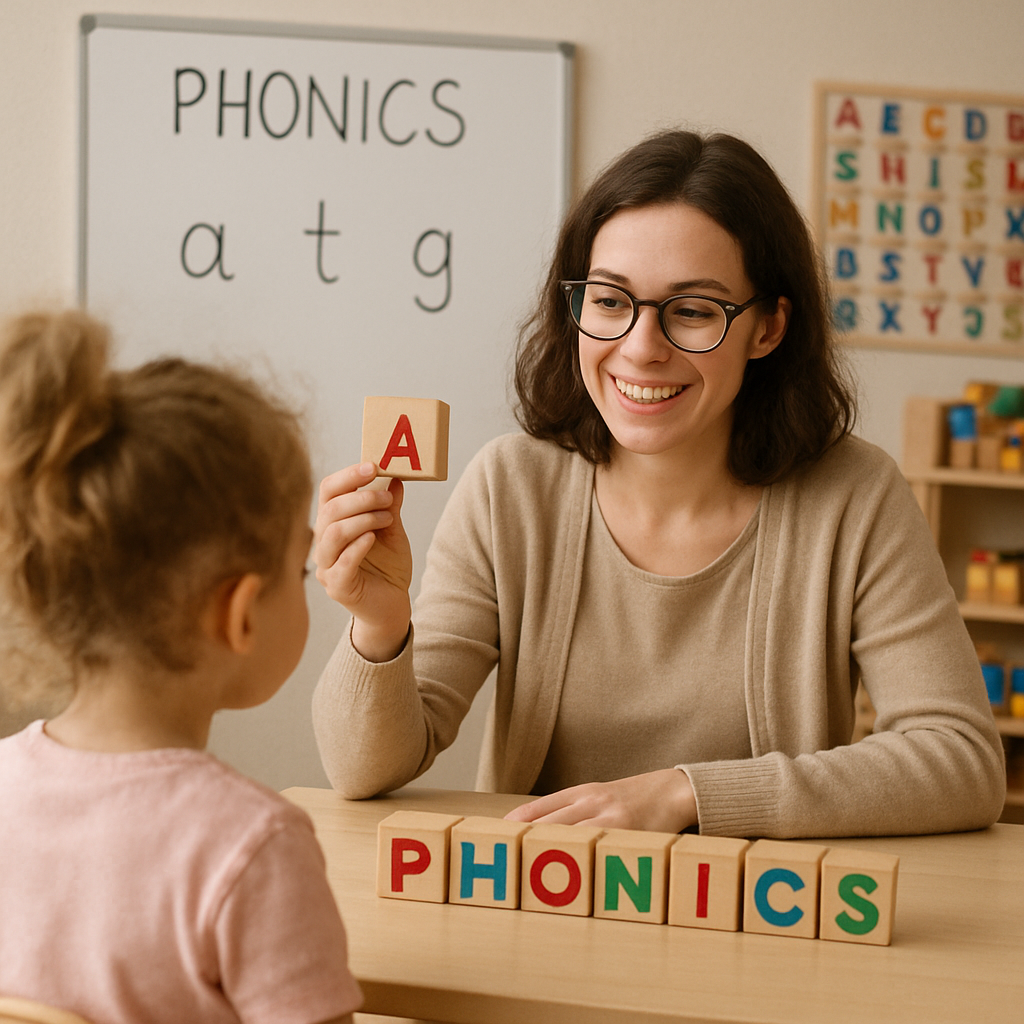
While adults enjoy the linguistic creativity of portmanteaus, “blending” takes on a completely different—and arguably more important—meaning in early childhood education. In the context of reading, blending refers to the ability to string individual sounds (phonemes) together to form a recognizable word.
Before a child can read the word brunch, they must first master blending letters. This journey begins with understanding the difference between phonological awareness vs phonemic awareness.
- Phonological Awareness is the broad skill that includes identifying and manipulating units of oral language, such as recognizing rhymes or syllables.
- Phonemic Awareness is a more specific subset of this skill. It focuses solely on identifying and manipulating individual sounds (phonemes) within spoken words.
Why Students Struggle with Word Decoding
Learning to read is not a natural biological process like learning to speak; it requires explicit instruction. Many educators and parents often wonder why students struggle with word decoding.
The struggle usually stems from an inability to hold individual sounds in their working memory long enough to blend them into a whole word. A child might correctly sound out “/c/ /a/ /t/” but then guess the word is “car” or “can” because they have lost the connection between the isolated sounds by the time they reach the end of the word. Furthermore, if a child hasn’t mastered letter-sound correspondence, the cognitive load of trying to remember the sound each letter makes leaves no mental energy left for blending them together.
Successive Blending vs Continuous Blending
To combat decoding issues, educators utilize specific instructional methods. Two of the most common approaches are successive blending vs continuous blending.
- Continuous Blending: Also known as connected phonation, this method requires the student to hold the sound of a letter until they transition to the next letter, with no breaks or pauses in between. For example, instead of saying “/m/ [pause] /a/ [pause] /n/”, the child says “mmmaaaannn.” This method is highly effective for beginners because it reduces the burden on working memory.
- Successive Blending: Also known as cumulative blending, this technique involves blending the first two sounds of a word together before adding the third. For the word sat, a child would say “/s/ /a/, sa. /sa/ /t/, sat.” This strategy is incredibly helpful for longer words and for students who forget the beginning of a word by the time they sound out the end.
Effective Phonics Strategies for Early Literacy
If you are a teacher or parent wondering how to teach phonemic blending, the key is to make it interactive, multisensory, and consistent. Here are several proven phonics strategies for early literacy that can help turn struggling readers into confident ones.
1. Model Continuous Blending
Start with words that begin with continuous consonants—letters whose sounds can be stretched out, such as m, s, f, l, r, n, and v. Instruct the child to “keep their motor running” as they slide from one sound to the next. Avoid starting with stop consonants (like p, b, t, d, k, g), as these cannot be stretched out and make continuous blending much harder for beginners.
2. Utilize Phonics Activities for Kindergarten
Young learners thrive on play-based learning. Try incorporating these phonics activities for kindergarten:
- Drive-Thru Blending: Give the child a toy car. Write letters on a piece of paper like a road. Have the child “drive” the car slowly under each letter, stretching the sound out, and then drive it fast to read the whole word.
- Arm Tapping: Have students hold out one arm. They touch their shoulder for the first sound, the elbow for the middle sound, and the wrist for the last sound, then slide their hand down their arm to blend the word together.
- Sound Boxes (Elkonin Boxes): Draw three connected boxes on a whiteboard. Have the child push a token or coin into a box for each sound they hear, then slide their finger across the bottom of the boxes to blend the word.
3. Improving Reading Fluency Through Segmenting
Blending and segmenting are two sides of the same coin. While blending is pushing sounds together to read, segmenting is pulling words apart to spell. Improving reading fluency through segmenting involves asking a child to listen to a whole word (e.g., “dog”) and break it down into its individual sounds (“/d/ /o/ /g/”). Practicing this reverse-engineering process solidifies the child’s understanding of how sounds map to letters, ultimately making their blending skills much faster and more automatic.
Conclusion
The concept of blending is a brilliant showcase of human cognition and creativity. On one end of the spectrum, understanding the morphological process of word formation allows us to appreciate the linguistic playfulness of Lewis Carroll and invent clever, modern slang portmanteaus. It empowers marketers to design memorable brand names and enriches our daily conversations with highly descriptive vocabulary.
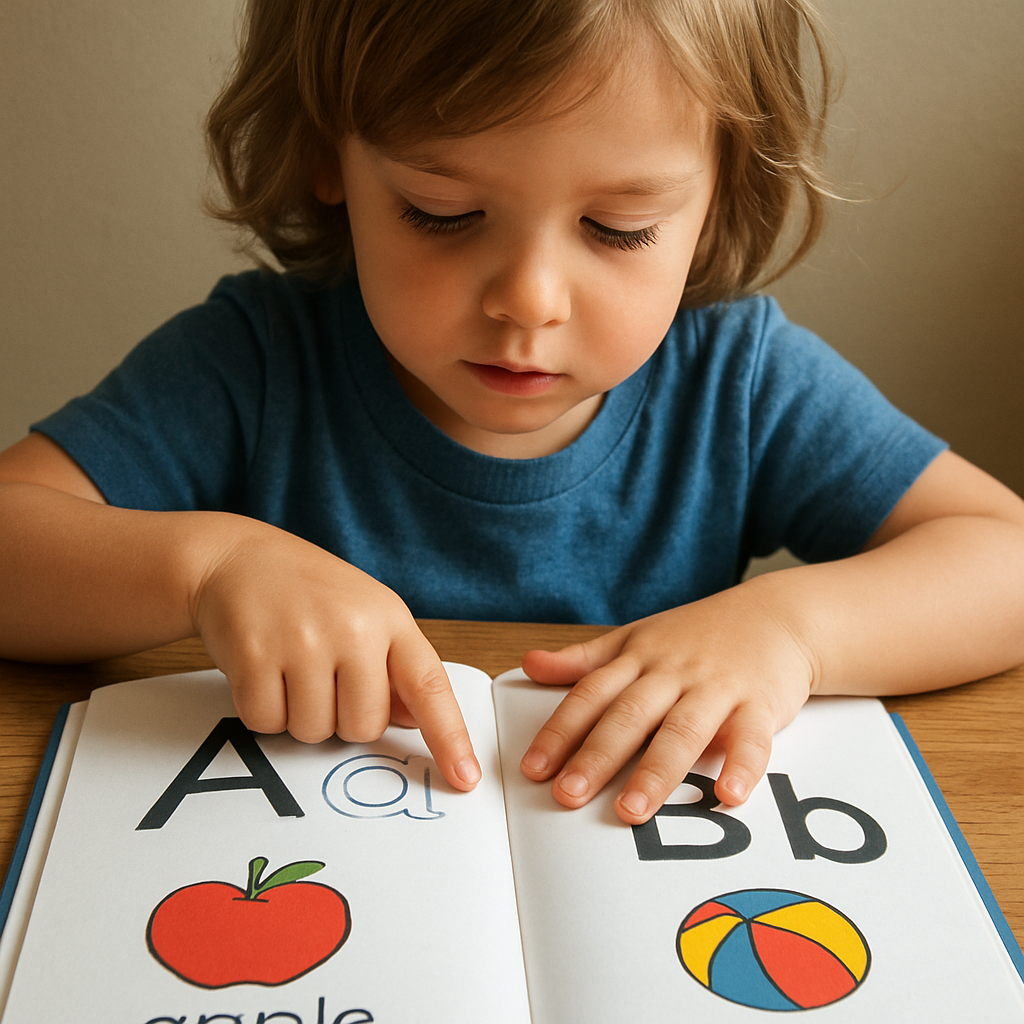
On the other end of the spectrum, blending letters is the foundational key to unlocking early literacy. By understanding the nuances of how young minds learn to read, implementing targeted strategies, and practicing continuous and successive blending, educators can build a lifelong love of reading in their students.
Whether you are combining breakfast and lunch to make brunch, or combining the sounds /s/, /u/, and /n/ to read the word sun, blending words is an essential, magical part of the English language. Keep playing with words, keep sounding them out, and continue exploring the endless possibilities of language!
Love this phonics activity? Click here to explore our entire library of premium, zero-fluff printable resources at EnglishForKiz!