
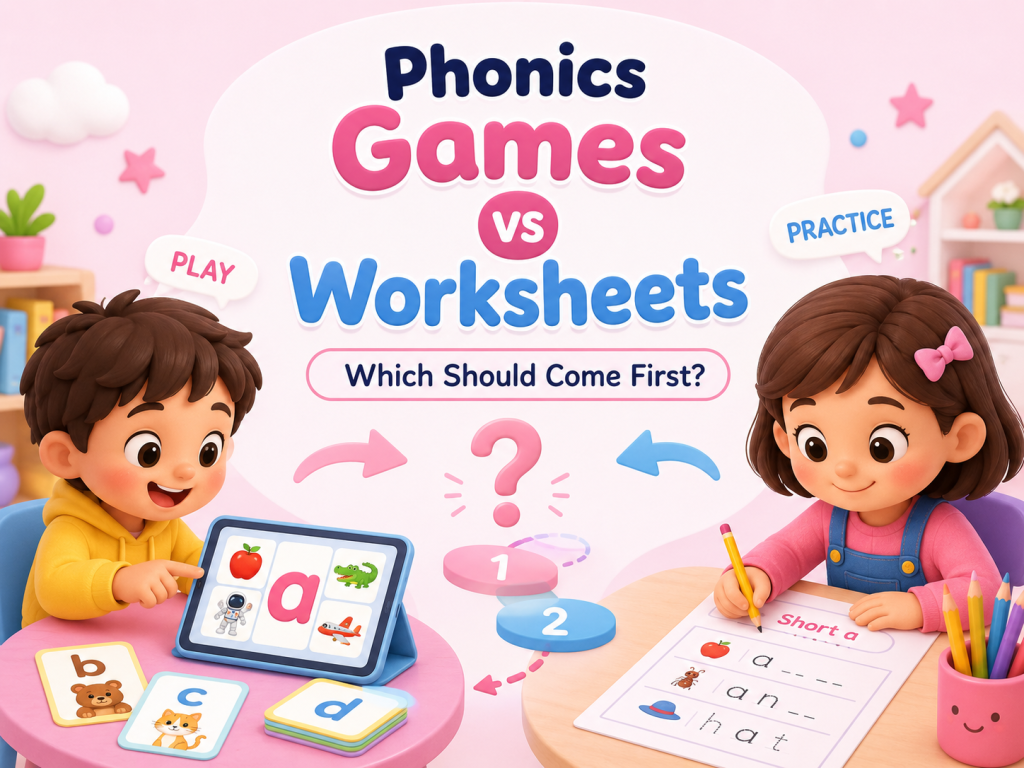
When comparing online phonics games vs worksheets, there is no universal rule that says one format must always come first. The right order depends on one question: has the target sound or spelling pattern already been taught?
When the skill is new, begin with a short explanation and guided examples. After that, choose the resource that reveals the next learning need. Active practice helps with listening, recognition, blending, and attention. Paper practice gives clearer evidence of handwriting, spelling, and sound-to-letter mapping. This follows a core principle of explicit phonics instruction: children need to apply letter-sound knowledge in both reading and spelling, as summarized by Reading Rockets.
What Phonics Games Do Best
Phonics games are strongest after a learner has met the target skill and needs more chances to respond. A focused activity can ask a child to hear a sound, choose a matching letter, blend a CVC word, or sort words by pattern.
The faster pace helps when repetition is useful but attention is beginning to fade. A child may identify several beginning sounds during a short activity, while the same number of written answers could feel tiring. The learning goal should still remain narrow and easy to name.
Choose games for active recognition
This route fits children who know the lesson target but need listening practice, quicker blending, or an attention-friendly review before slower work.
- Match letters with spoken sounds.
- Sort beginning sounds or short vowels.
- Blend familiar CVC words more fluently.
- Review a taught pattern before reading.
A colorful activity is not automatically useful. The child should need the target sound or spelling pattern to succeed. When answers can be guessed from picture position, animation, or repeated screen layouts, the activity may test visual memory rather than phonics knowledge.
What Phonics Worksheets Do Best
Phonics worksheets slow the response down and leave a visible record. That makes them useful for handwriting, spelling, letter formation, word comparison, and checking whether each sound has been represented in print.
Written work often reveals gaps that oral answers or multiple-choice tasks hide. A child may read map correctly but write mp. Another may recognize the letter b on screen but reverse it when writing independently.
Choose worksheets for written accuracy
This route fits children who need to connect spoken sounds with letters, compare similar patterns, practice formation, or produce an answer without screen choices.
- Trace and form target letters correctly.
- Record every sound in a CVC word.
- Compare short vowel or word-family patterns.
- Leave clear evidence for the next lesson.
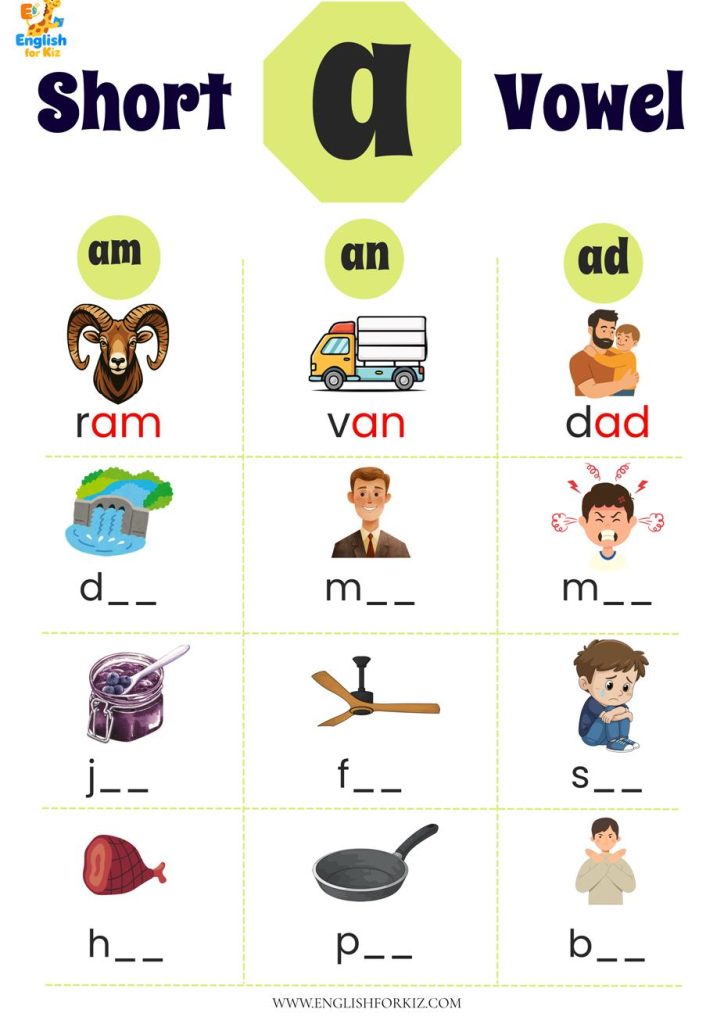
Use paper when the child must produce the answer
Suppose the lesson target is short o. A learner might complete h_t, l_g, and m_p, then read each finished word aloud. That combination checks spelling and decoding instead of allowing the page to become a silent matching exercise.
Worksheets also make comparison easier. A page can place pin beside pen, or map beside mop. The adult can see whether the learner hears the middle vowel and records it accurately.
Complete less and observe more
A full packet is rarely necessary for one practice session. Three to six carefully chosen responses may provide enough evidence. Read selected answers aloud, discuss one mistake, and ask for one new example after the correction.
Online Phonics Games vs Worksheets: Which Should Come First?
The format should follow the learning problem. Before choosing a resource, observe what happened during the last few minutes of instruction. The next activity should answer a specific question rather than simply add more practice.
| Current situation | Start with | What it should reveal | Next step |
|---|---|---|---|
| The sound or spelling pattern is completely new. | A short explicit lesson. | Whether the child can respond with guidance. | Choose a guided game or worksheet based on the response. |
| The child knows the sound but hesitates or loses focus. | A short game. | Whether recognition improves with repeated oral practice. | Complete a small written check using the same target. |
| The child can choose an answer but cannot spell it. | A worksheet or dictated word. | Which sound or letter disappears during production. | Correct one word, then review the weak sound orally. |
| Letter formation or reversals are the main concern. | Modeled paper practice. | Starting point, direction, spacing, and independent formation. | Reconnect the written letter with its sound. |
| The child knows isolated words but guesses in sentences. | A short word review. | Whether the child looks across every letter. | Read a closely matched decodable sentence. |
| The pattern is accurate in speech and writing. | A brief mixed check. | Whether the skill remains available without warm-up. | Move into connected reading instead of another full page. |
Games usually come first when the learner needs attention, oral repetition, sound discrimination, or faster recognition. Worksheets usually come first when the learner needs to form, spell, compare, or explain the pattern. Neither should introduce a new rule without prior teaching.
Three Practical Sequences
A useful sequence keeps one target stable while the type of response changes. The sound, vowel, word family, blend, or digraph should remain the same from teaching through practice and reading.
Use this order when written accuracy matters most
Teach the rule, model several examples, and complete one item together. Next, use a short page to check formation, spelling, or visual comparison. Finish with an active review that gives the child more examples without adding a new pattern.
Example: Teach short o with hot, log, and mop. Complete three missing-vowel words. Then sort six more words by whether they contain short o.
Move forward when: The child completes one unfamiliar example without copying and reads it accurately.
Use this order when attention is the barrier
Teach the target directly, then rehearse it through listening, movement, matching, or quick blending. After several successful responses, use a small paper task to check whether the skill remains available without animation or answer choices.
Example: Introduce /m/ with moon, map, and milk. Match five beginning-sound pictures. Then trace m once and circle two pictures that begin with the same sound.
Move forward when: The child recognizes the sound away from the activity and produces one independent example.
Use this order when the skill is ready for reading
Review only the words needed for the text. Then move into decodable readers that use previously taught patterns. Reading shows whether the child can apply phonics while following a sentence.
Example: Review map, sat, can, and bag. Then read a short passage built around short a. If guessing appears, return to one difficult word and reread the whole sentence.
Move forward when: The child looks through the complete word and blends unfamiliar examples instead of relying on pictures.
Examples for Preschool, Kindergarten, and Home Practice
Age can guide resource selection, but the learner’s current skill should decide the order. Two children in the same class may need different starting points because one needs stronger listening while another needs written control.
Letter sounds and beginning sounds
The Preschool phonics program is the relevant starting path when letter recognition, sound awareness, and reading readiness are still developing.
For the letter s, model /s/ and name sun, sock, and seal. A child who enjoys drawing may trace and circle first. A child who avoids pencil work may begin with picture matching and trace one letter afterward.
Ready for the next step: The child can point to s, say /s/, and name one matching word without copying the adult.
CVC blending and short vowels
Review short i through sit, pin, and lip. Listen carefully to the blending process. If the child pauses between every sound, an oral or active blending task should come before written work.
If the child reads the words but writes sit as st, begin with sound boxes or a missing-vowel page. The written response shows that the middle sound needs stronger mapping.
Ready for the next step: The learner blends one new CVC word and spells a similar word with limited support.
A calm ten-minute routine
Use two minutes for oral review, three minutes for the first resource, three minutes in a second format, and two minutes for reading. This routine is long enough to gather evidence but short enough to protect attention.
For ch, review chin, chop, and much. Complete a short ch and sh sort, write two words, and end with one matching sentence.
Helpful adjustment: Reduce the number of responses when fatigue appears. Keep the target stable instead of replacing it with an unrelated activity.
One target across several stations
A group lesson can keep final consonants as the shared target. The teacher table can segment words, the printable station can add missing final letters, and the game station can match spoken words.
The consistent target makes each response easier to compare. One learner may recognize the final sound but omit it in writing. Another may spell accurately yet guess during sentence reading.
Ready for the next step: The learner handles the target across two formats and applies it in one unfamiliar word or sentence.
Common Mistakes When Using Only One Resource Type
Early reading includes listening, speaking, looking, blending, writing, spelling, and connected reading. One format cannot reveal every part of that process.
Fast answers are treated as mastery
A quick tap may show recognition, but it does not prove recall or spelling. Remove the choices and ask for a spoken, built, or printed response.
Paper becomes quiet busywork
A finished page may hide copying or picture guessing. Ask the learner to read selected answers and explain one choice aloud.
Independent practice replaces teaching
A new pattern needs direct modeling. Introduce the sound, show the spelling, give two examples, and complete one response together.
The target changes with every resource
A short e lesson should lead to short e matching, spelling, and reading. Variety should come from the response, not from unrelated skills.
Preference decides every lesson
A child who prefers games still needs written production. A child who enjoys paper still needs oral blending and connected reading.
Practice ends before reading
Word-level success should lead into one sentence or short passage. That final check shows whether the pattern supports real decoding.
Build a Complete EnglishForKiz Practice Path
A complete path begins with one learning target and ends with evidence. You do not need every resource in every lesson; choose the next format from what the learner can and cannot yet do.
Teach one target
Say the sound, show the spelling, model two or three examples, and complete one response together before independent practice.
Observe the first difficulty
Identify the first barrier: listening, attention, blending, letter formation, spelling, or sentence reading.
Choose the format that tests that difficulty
Use active practice for oral repetition or faster recognition. Use printable practice when the child must form, spell, compare, or record the answer.
Change the response, not the skill
A learner who matched short u words can now write one. A learner who wrote short u words can now blend or sort new examples orally.
Check reading transfer
Move into a sentence or short controlled text and watch whether the learner blends through the word instead of guessing from the picture.
Record one useful observation
A note such as “blended short i words but omitted final sounds in spelling” gives the next session a clear starting point.
Move forward when the child gives several accurate responses and handles one unfamiliar example with limited support. Stay at the current step when the learner still depends on answer choices, copies nearby examples, or guesses during reading.
Choose the Resource That Solves the Current Problem
Use active practice when the main need is listening, blending, repetition, or attention. Use printable practice when the main need is handwriting, spelling, comparison, or visible assessment.
Use a Reader to Check Whether the Skill Transfers
The final result is not a finished game or completed worksheet. The important question is whether the same sound or spelling pattern supports reading inside a sentence.
Review a few matching words, then read a short controlled passage. If guessing appears, return to the smallest weak step and reread the sentence after correction.
Continue with Decodable Readers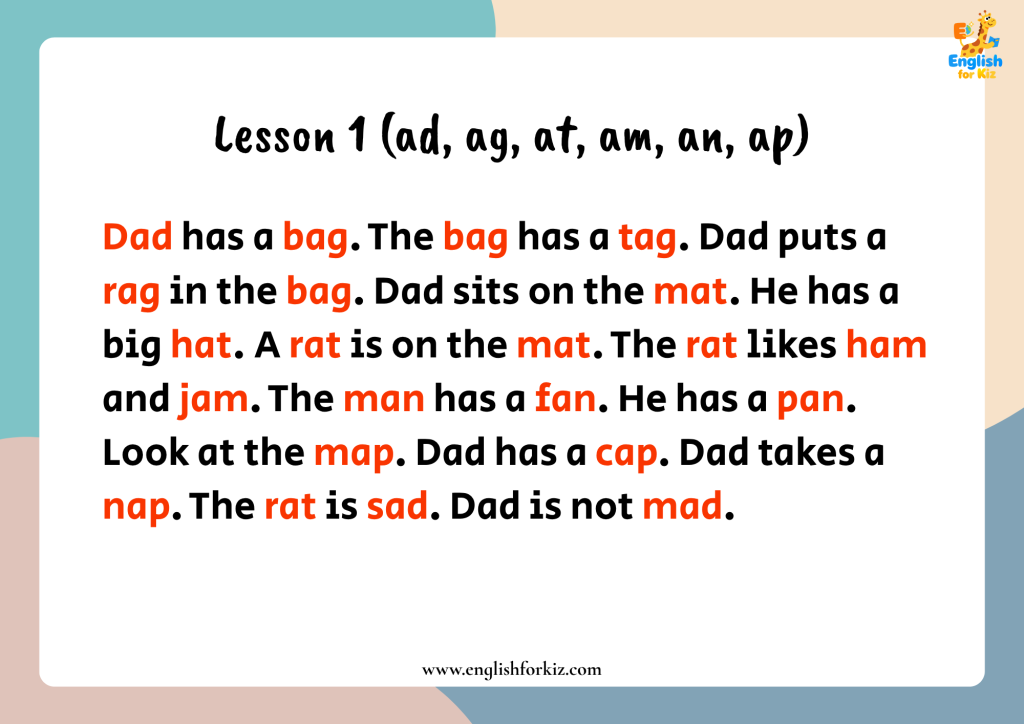
FAQ
Should phonics games come before worksheets?
They can come first after the skill has been taught, especially when the learner needs attention, listening, quicker recognition, or more oral repetition. If the child already recognizes the pattern but cannot produce it independently, a short worksheet or dictated-word check should come first instead.
What if a child can recognize a sound but cannot spell it?
Move from recognition to production. Ask the child to segment a short word, write or build each sound, and read the completed word aloud. If a vowel or final consonant disappears, correct that specific sound-to-letter connection before adding more examples.
What sequence works best for a child who loses focus quickly?
Begin with a two-minute oral or interactive warm-up using a familiar target. Follow with three to five written responses using the same skill, then end with one successful word or sentence. Keep the target stable even if you shorten the amount of work.
When is a child ready to move into a decodable reader?
The learner should know the target pattern, blend suitable words with reasonable accuracy, and handle at least one unfamiliar example with limited support. Begin with a short text that closely matches taught sounds. If guessing replaces decoding, return briefly to the weak word or pattern and then reread the sentence.