
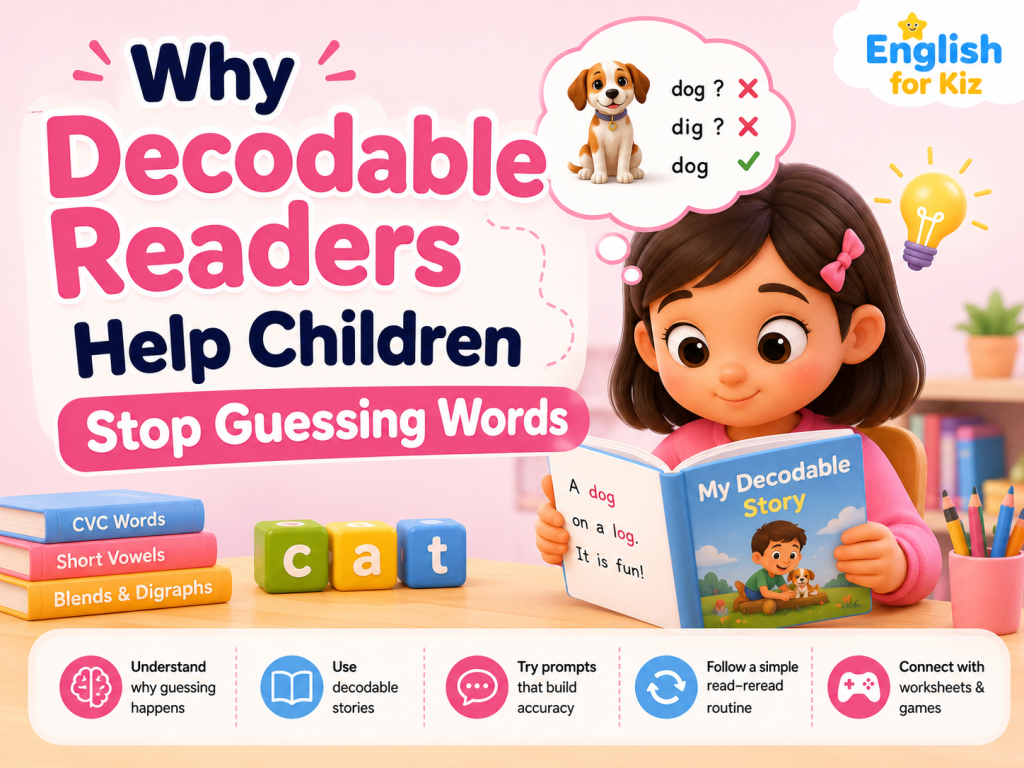
A child may look at a picture and say “horse” when the page says “pony,” or read “shop” as “ship” after checking only the first sound. These attempts are not signs of laziness. They show that the child has learned to search for a likely answer before fully reading the printed word.
Decodable readers can change that habit because the words are built mainly from phonics patterns the child has already learned. This guide shows how to identify the source of word guessing, choose a fair story, use better prompts, and build a short rereading routine that improves accuracy without turning reading into a test.
Why Early Readers Guess Words
Guessing usually begins as a sensible response to an uncertain task. When the letters do not yet feel dependable, a child turns to faster clues: the picture, the opening letter, a repeated sentence frame, memory of an earlier reading, or an adult who often supplies the answer.
The spoken word may still fit the story, so the mistake can sound close enough to ignore. However, a word is read accurately only when the pronunciation matches the printed spelling from beginning to end.
The Picture Can Answer Too Much
Illustrations carry meaning quickly. On a page showing a child with a red cap, “The boy has a red hat” sounds reasonable even when the text says “The boy has a red cap.” The child has understood the scene but has not identified the exact word.
This pattern is common in predictable books where the same sentence repeats on every page. The illustration and sentence rhythm may reveal the answer before the eyes inspect the letters.
The First Sound Becomes a Shortcut
Checking the first sound is useful, but it is not enough. A child who sees m and then studies a picture may say mouse, milk, man, or map. The opening sound matches, while the rest of the word is invented.
Internal vowels and final sounds often disappear during this kind of reading. Words such as pin, pan, and pen then become easy to confuse because the child is not yet using the full spelling as evidence.
Memory and Adult Help Can Hide the Problem
A familiar page may sound fluent because the child remembers it. Move one word to a separate card or place it in a new sentence. If the word suddenly becomes difficult, memory was carrying more of the reading than print.
Fast help can create a second shortcut. When an adult gives the word after one brief pause, waiting becomes efficient. The child may begin watching the adult’s face instead of looking through the word.
Picture-based guess
The answer fits the illustration but differs from several printed letters.
First-letter guess
The opening sound is correct, but the middle or ending changes.
Memory reading
The sentence is smooth on a familiar page, yet isolated words are uncertain.
Waiting for help
The child pauses and looks away from the word without trying known sounds.
A learner who knows short-vowel CVC words cannot independently solve a page filled with vowel teams, silent letters, and complex endings. When the text demands untaught patterns, guessing is often a sign that the book is too hard.
How Decodable Readers Change the Reading Task
A skill-matched story makes the letters useful. Most words contain sounds and spellings that have already been taught, so the child has a real method for solving the page.
The reading question changes from “What word could fit here?” to “What sounds do these spellings show?” Meaning still matters, but it checks the result after the word has been read.
Print First, Meaning Second
Imagine that the printed word is fin while the picture shows a fish. A picture-based answer may be fish. Reading /f/ /i/ /n/ produces fin, which matches every letter.
After blending, the child checks whether the sentence makes sense. This order keeps comprehension connected to reading without letting context replace the printed word.
Look through the complete word. Say the known sounds or spelling units. Blend them closely. Then reread the sentence and ask whether both the letters and the meaning agree.
Success Builds Trust in Print
Repeated success teaches an important lesson: print carries exact information. Cap cannot become cat because the final sound changes, and shop cannot become ship because the vowel differs.
Specific praise reinforces that process. “The second try matched every letter” is more useful than “Good job” because it names the reading behavior that should continue.
Match the Story to Skills the Child Already Knows
A story should be chosen by phonics knowledge, not only by age, grade label, or page count. The child needs enough familiar spelling patterns to use sounding out successfully.
Most words should be fully readable with current knowledge. A small number of necessary high-frequency words can be introduced before reading, but the page should not require constant rescue.
Use the Current Phonics Stage
- Letter-sound stage: Use oral blending, sound matching, and very short words before expecting independent story reading.
- CVC and short-vowel stage: Choose words such as cat, map, sit, hen, log, and sun.
- Blends and digraphs stage: Add patterns such as sh, ch, th, stop, and flag after simple blending is stable.
- Long-vowel stage: Introduce Magic E and vowel teams one taught pattern at a time.
When short vowels or CVC blending remain uncertain, the Kindergarten phonics program is a better next step than a harder reader. A structured foundation reduces the need to invent words from pictures or sentence meaning.
Preview Without Giving Away the Story
Introduce an unusual name, one necessary irregular word, or a topic word that the child may not know. Avoid narrating every picture before reading, because a full picture walk can turn the later page into a memory task.
A useful preview takes only a few minutes. Read four to six target words, check the main spelling pattern, and begin the story while the language still feels fresh.
A Practical Story Check
- The main sound or spelling pattern has already been taught.
- The child can blend the target word shape on a card.
- Sentence length matches current attention and reading stamina.
- Only a few words need direct introduction.
- The pictures support meaning but do not reveal every answer.
Move forward when the child can apply the pattern to a new sentence or unfamiliar word list with little support. A memorized performance on one familiar story is not enough evidence.
Prompts That Encourage Sounding Out Instead of Guessing
Helpful prompts are short and specific. They direct attention to the part of the word that needs work without turning the correction into a lecture.
Begin with the least help possible. A few quiet seconds may allow the child to scan the word, recall a sound, and blend independently.
Use a Small Prompt Ladder
- Wait for three to five seconds.
- Say, “Look through the whole word.”
- Ask for the difficult sound or spelling pattern.
- Point beneath the word while the child blends.
- Model the blend once only when necessary.
- Return the word to the child and reread the sentence.
This sequence avoids two extremes. It does not give the answer too quickly, yet it also prevents a long struggle that produces frustration rather than learning.
A Read–Reread Routine for Accuracy and Fluency
Rereading works best when each pass has a clear purpose. The first reading develops accurate word solving, while the next reading reconnects the words into smoother phrases and meaning.
A complete session can remain brief. Ten to fifteen focused minutes is often more productive than a long lesson filled with repeated correction.
Read or build four to six words from the story. Include one likely confusion, such as pin and pen.
Point out the familiar and unexpected parts, then practice the whole word once.
Allow careful reading. Use the prompt ladder for guesses and note repeated error patterns quietly.
Practice two or three related words rather than reviewing every hesitation from the page.
Return to one page or paragraph. Keep accuracy while improving phrasing and expression.
Ask what happened, why a character acted, or which detail solved the problem.
How Many Times Should the Story Be Read?
Two purposeful readings are enough for many short stories. A third pass on another day can build expression or give the child a confident reading for a family member.
Stop when the words are accurate, support is limited, and the child can discuss the story. If the lines are being recited from memory, choose a new story with the same phonics pattern instead of repeating the old one again.
Mistakes to Avoid
Covering Words or Letters Too Often
Showing one letter at a time can hide the complete spelling pattern and make blending harder. Keep the whole word visible and move a finger beneath it from left to right.
Temporary masking can isolate one word part, but it should not become the normal way to read every sentence.
Overusing Pictures as Word Clues
Pictures are valuable for vocabulary, interest, and comprehension. However, repeated prompts such as “Look at the picture” teach the child to name what is shown rather than read the exact word.
If the illustration repeatedly pulls attention away from print, cover it for one difficult word. Reveal it again after decoding and use it to discuss meaning.
Giving the Word Too Fast
Immediate help keeps a sentence moving, but it also teaches waiting. Offer a pause and one precise prompt before supplying the answer.
At the same time, do not allow prolonged struggle. If the spelling has not been taught or several supported attempts fail, read the word calmly and reconsider the story level.
Asking for Speed Before Accuracy
Fast reading is not fluent when vowels, endings, and small words are being replaced. Early fluency should grow from accurate recognition and successful rereading.
Look for fewer prompts, better self-correction, and smoother phrases. Speed can increase later as the printed patterns become automatic.
Connect Worksheets, Games and Readers
Word guessing often improves fastest when one phonics target appears in several forms. Written work slows the pattern down, a game provides quick review, and a story checks whether the skill transfers into connected reading.
The resources should not compete for attention. Each one should solve a different part of the same reading problem.
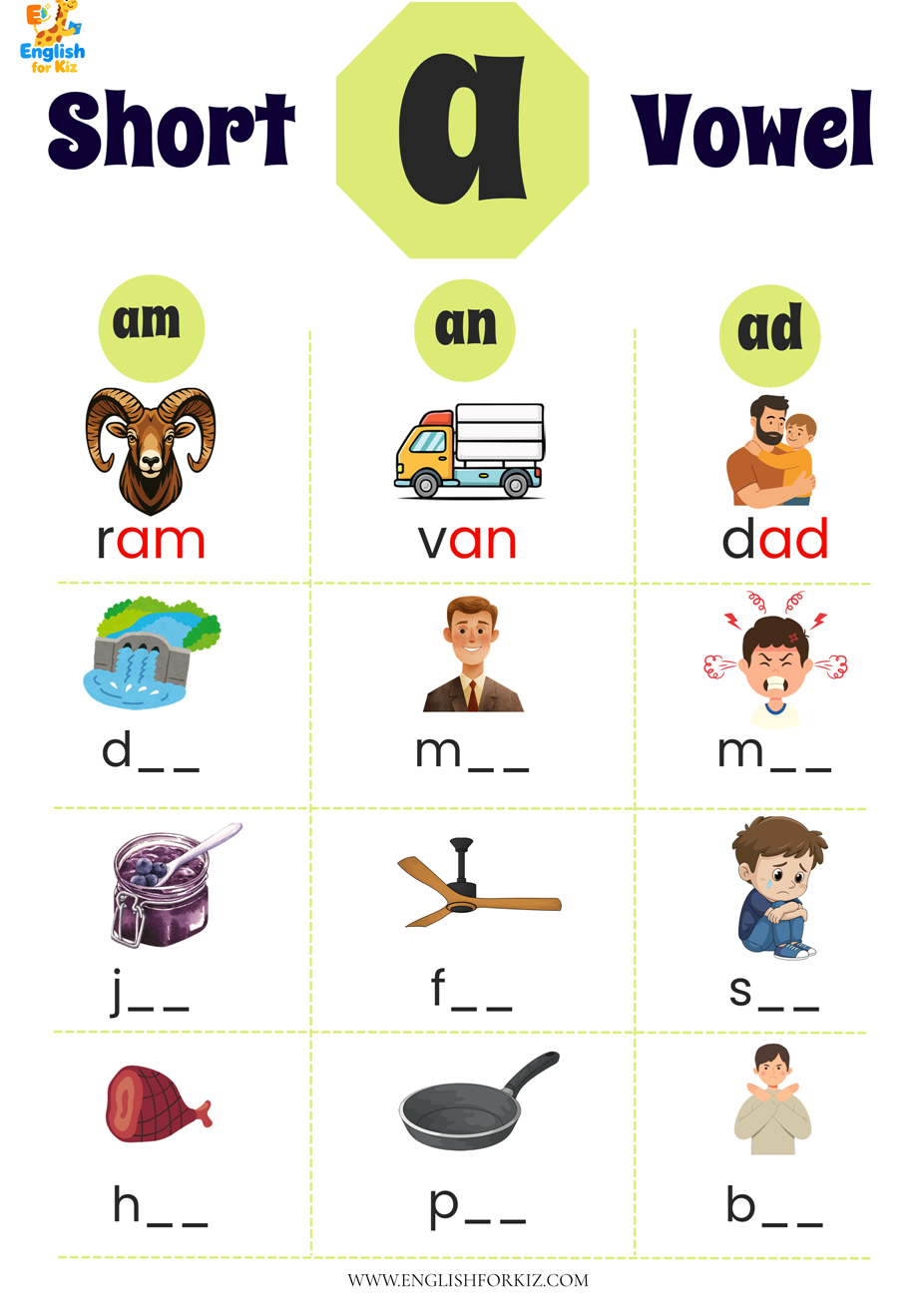
Practice the Missed Pattern
Use phonics worksheets when a repeated error shows that a vowel, sound, or word family needs slower attention.
Choose Worksheet Practice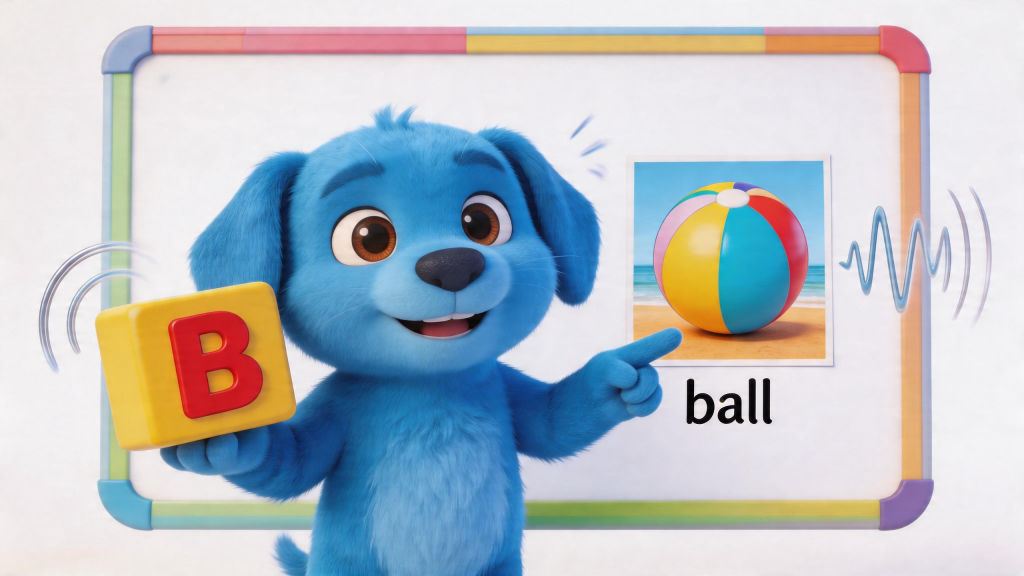
Review the Target Sound
Use phonics games for focused listening, sound recognition, or blending before returning to print.
Play a Matching Game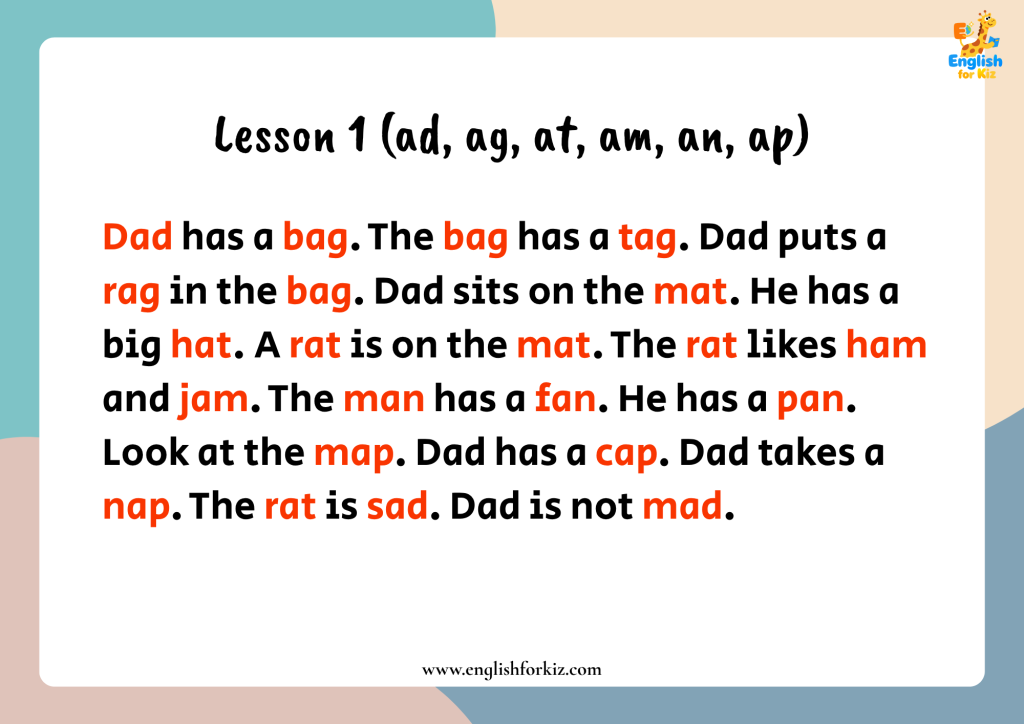
Move Into a Matching Story
Choose a story when the target pattern can already be read in words and short sentences with limited help.
Browse Stories by LevelWhich Resource Should Come Next?
The same spelling error appears across several words and the child needs slow visual or writing practice.
The pattern is understood but sound recognition or blending needs a short, motivating review.
The pattern is accurate in isolation and needs to transfer into sentences, meaning, and fluency.
Choose a Reader That Matches the Skill Already Taught
The most useful next story is not the longest or most colorful one. It is the story that gives the child enough familiar spelling patterns to read the words instead of guessing them.
Build the Foundation Before Moving to Harder Reading
If short vowels, CVC words, or basic blending still break down, a connected course path will be more useful than another difficult story.
FAQ
Why does my child guess words from pictures?
Pictures communicate meaning faster than unfamiliar print. The habit becomes stronger when books are predictable or adults regularly ask what would make sense. Keep pictures for comprehension, but identify words through the letters first.
Do decodable readers remove the need for picture books?
No. Skill-matched readers support independent word solving, while rich picture books build vocabulary, knowledge, imagination, and complex comprehension during shared reading. Both can appear in the same daily routine.
What should I say when a child guesses a word?
Pause briefly, then say, “Look through the whole word.” If more help is needed, direct attention to the vowel, ending, or known spelling pattern. After the correction, reread the complete sentence.
How many times should a child reread a decodable story?
Two purposeful readings are often enough. Use the first for accuracy and the second for smoother phrasing and meaning. A third reading is helpful only when it has a fresh purpose and the child is not simply reciting from memory.
How can I tell whether a story is too difficult?
A story is likely too hard when several words on nearly every page contain untaught spellings, the child needs constant help, or guessing rises as the reading continues. Step back to a text with more familiar patterns and shorter sentences.