
Understanding the Importance of BL Blends
Think about the last time you reached for a blue blanket or turned on a blender in the kitchen. You just used some of the most common foundational building blocks of the English language without even realizing it. Letters like ‘B’ and ‘L’ are perfectly fine on their own, but together they form what is known as a consonant blend. In everyday English, we use this powerful combination to start hundreds of familiar words, from blocks on a playroom floor to blossoms in a spring garden.
When new readers try to sound out words like ‘blue’, an extra sound sometimes wedges its way into the middle. This is a completely normal hurdle during early literacy development. In practice, educators note that choppy reading—where learners pronounce ‘B’ and ‘L’ as completely separate stops—can briefly stall comprehension. Discovering effective reading fluency strategies for beginners is all about helping learners bridge that phonetic gap so the individual letters become one cohesive unit.
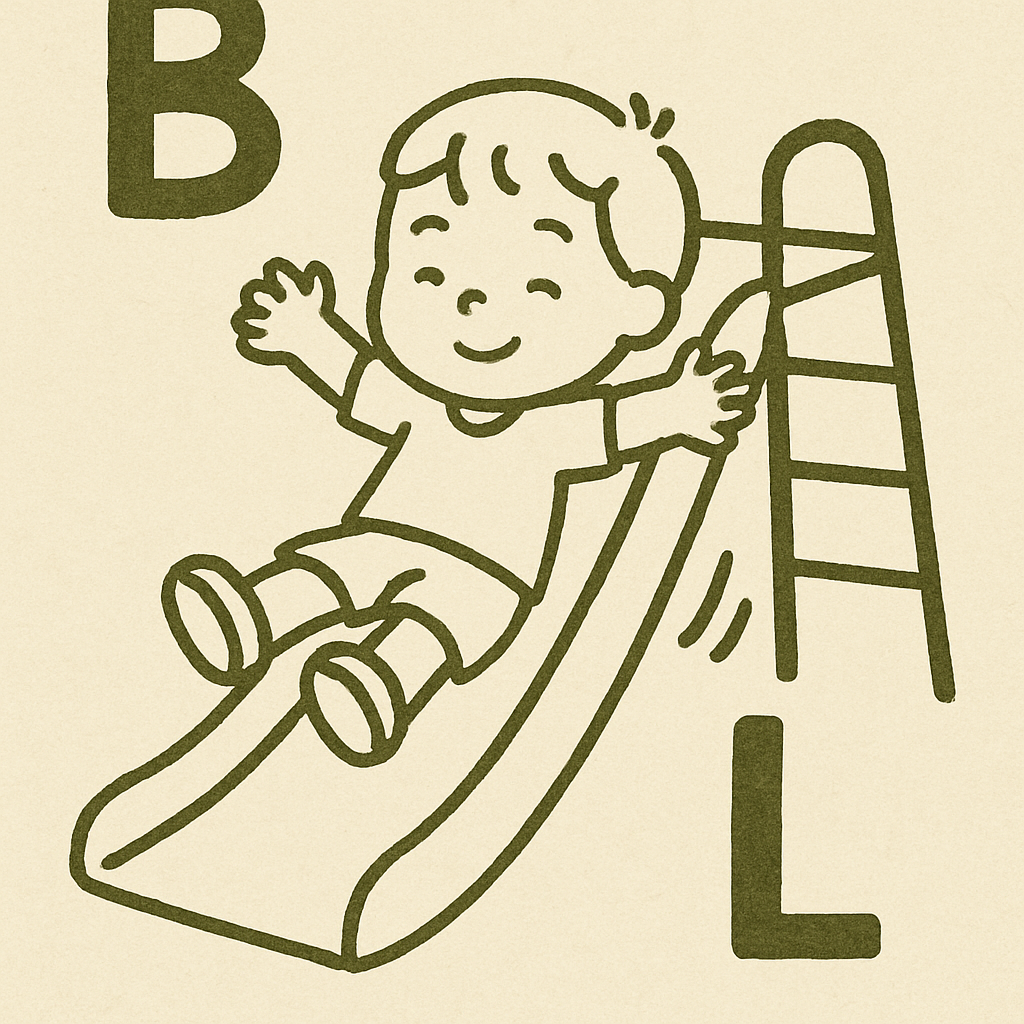
Overcoming this choppy pronunciation requires what we call the “Smooth Slide” approach. Instead of treating the letters like two separate steps on a staircase, imagine them as a playground slide where you start at the ‘B’ and glide effortlessly straight into the ‘L’ without stopping. Your lips pop to make the initial sound, and your tongue immediately taps the roof of your mouth for the second. According to early childhood literacy experts, teaching initial consonant clusters this way helps children physically feel how the sounds merge into a new texture.
Recognizing and practicing bl blends goes far beyond just memorizing a few vocabulary words. This specific letter combination acts as a crucial bridge to overall reading fluency, proving that blending sounds is a physical skill just as much as a mental one.
The ‘Smooth Slide’ Method: How to Blend Sounds Without the ‘Buh’
Think of making bl blends like following a recipe: if the ‘B’ sound is flour and the ‘L’ sound is water, the ‘BL’ is the dough. You can still hear the original ingredients, but they are mixed smoothly into something new. When we pause between the ingredients, that unwanted “buh” sneaks in, breaking the word apart.
Fixing this requires focusing on how our mouths move. Instead of stopping, we want to create a continuous motion—a “smooth slide” from one letter directly into the next. When figuring out how to segment phonemes in blends without adding that extra sound, it all comes down to physical timing. Try this simple three-step method to master the transition:
- Position your lips together to prepare for the ‘B’ sound.
- Before opening your mouth, lift your tongue to tap the roof of your mouth for the ‘L’.
- Release your breath, letting both sounds slide out together.
Practicing this physical shift takes a little patience, but it quickly becomes second nature as you work through any basic consonant blends list. You will feel your lips pop and your tongue tap almost simultaneously, creating crisp, clean starts for words like “block” and “blast.” Once you master this sliding motion, recognizing how two letters merge becomes much easier.
Blends vs. Digraphs: Why Your Ears Need to Hear Two Sounds
Have you ever noticed how some letter combinations act like a choir, while others act like a solo singer? When you look at bl blends in words like “black” or “bloom,” you hear the choir. The ‘B’ and the ‘L’ work together as a team to create a smooth transition. Your ears can still clearly pick out both individual sounds, even though they slide together quickly.
That teamwork makes perfect sense until you run into letter pairs like ‘sh’ in “shoe.” This is where understanding consonant blends vs digraphs becomes incredibly helpful for sounding out words accurately. While blends keep their individual identities, a digraph merges into a completely new sound. The original letters vanish to make one unique noise, meaning your ears only hear a single sound instead of two.
Spotting this hidden rule prevents a lot of early reading frustration. When children practice initial l-cluster words for kindergarten, knowing they must listen for two distinct sounds in “block” rather than one sound builds immediate confidence. Once you can clearly hear both members of the ‘bl’ team doing their job, you are ready to practice short vowel combinations.
The ‘BL’ Word Bank: Mastering Short Vowel Combinations
Building a strong reading foundation starts with sliding that ‘B’ and ‘L’ team right into sounds you already know. Since you are familiar with short vowel sounds, you can easily tackle what teachers call the CCVC pattern—which simply stands for Consonant-Consonant-Vowel-Consonant. Think of those first two letters as a fast trip down a playground slide that lands squarely on a soft vowel. Combining our smooth bl blend words with a quick short vowel creates the perfect bite-sized practice tool.
Keeping a handy list of short vowel words with consonant blends helps train both your eyes and ears for rapid recognition. When you use an organized bl words list like the one below, you can focus on how the middle vowel changes the flavor of each word without getting distracted by complicated endings.
| Vowel Sound | Practice Word |
| Short a | blast |
| Short i | blip |
| Short o | blot |
| Short u | blush |
Read these examples out loud, paying attention to how your lips pop for the ‘B’ while your tongue immediately taps the roof of your mouth for the ‘L’. Sliding through these simple, single-syllable words builds the foundation for longer vocabulary.
Moving to Multi-Syllable Success: When ‘BL’ Appears in Longer Words
Mastering simple words is a fantastic milestone, but everyday language is filled with longer structures that stretch our reading muscles. When you encounter a multi-syllable word, the trick is to keep that ‘B’ to ‘L’ slide glued together. Instead of breaking the word apart right between the two consonants, you always keep them paired in the exact same chunk to maintain their unique blended sound.
Your home is actually the perfect classroom for developing phonological processing skills, which is simply a formal way of saying your brain is learning to hear and organize sound patterns automatically. To build your confidence with syllable division, try clapping out this everyday bl words list:
- Blender (blen-der)
- Blanket (blan-ket)
- Blossom (blos-som)
- Blizzard (bliz-zard)
Notice how the starting sound stays perfectly intact at the front of these bl blend words. Even though the vocabulary is getting longer and more complex, your approach to those first two letters remains exactly the same. Nailing that smooth transition across any word length requires focusing on what your lips and tongue are actually doing.
Mouth Mechanics: The ‘Pop and Tap’ Technique
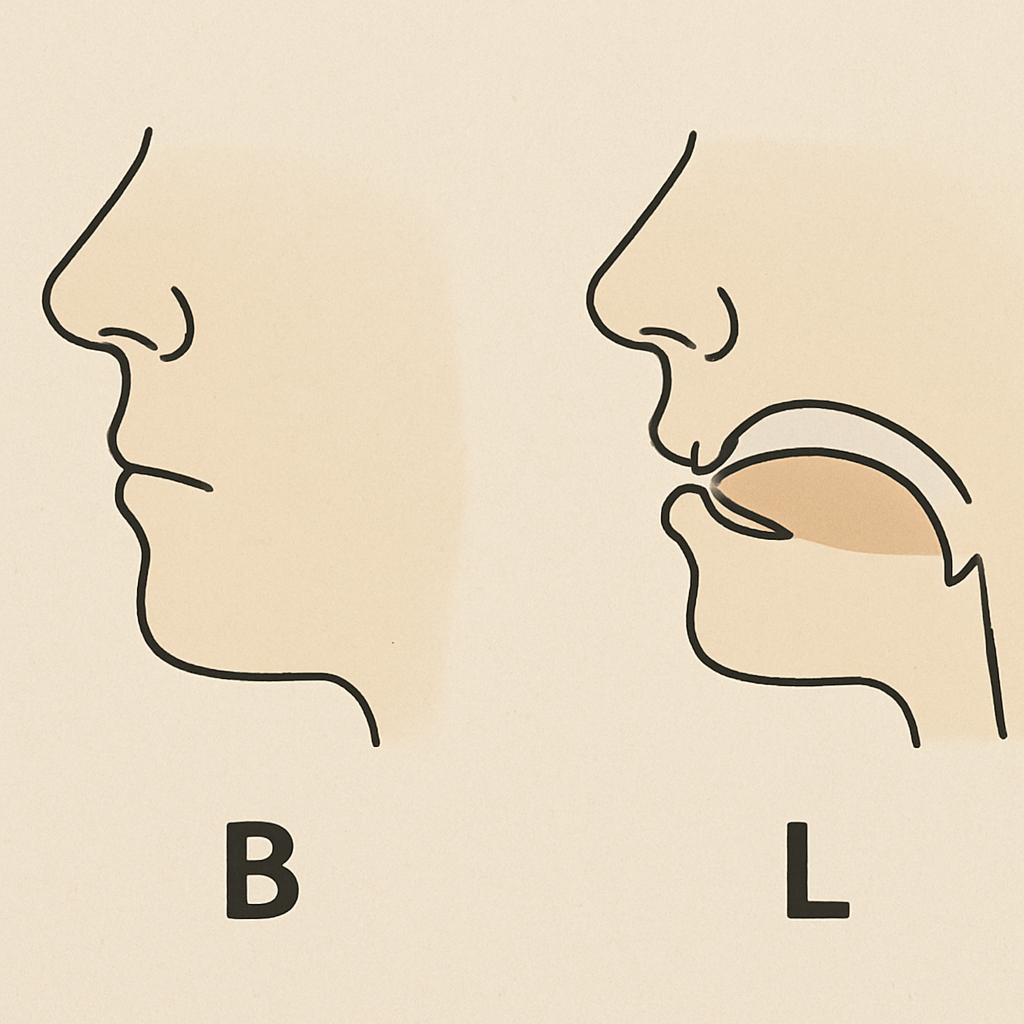
Paying attention to how a sound actually feels in your mouth is a game-changer for mastering new words. This sensory approach makes helping children pronounce consonant combinations much easier because it relies on physical touch rather than just listening. We call this specific movement the “Pop and Tap” technique.
Start by pressing your lips together to build a tiny burst of air, letting it “pop” out for the ‘B’ sound. Instantly after that pop, your tongue must “tap” the roof of your mouth, right behind your front teeth, to make the ‘L’ sound. Building this automatic muscle memory is crucial for conquering bl blends smoothly.
The magic happens when you connect these actions without pausing, which perfectly supports auditory discrimination exercises for kids by letting them feel exactly when a word sounds correct. If the pop and the tap occur too far apart, you lose that smooth slide and accidentally add a vowel in the middle. Recognizing this physical gap is your first step toward fixing common pronunciation hurdles.
Solving the ‘Buh-Lue’ Problem: How to Fix Common Pronunciation Hurdles
Does the word “blue” sound more like “buh-loo” when your child says it? That extra “uh” sound is a common hurdle called a schwa, which happens when your “Smooth Slide” hits a physical speed bump. Building strong phonemic awareness for early readers means catching when this sneaky filler sound interrupts our “pop and tap” motion.
Fixing this personal pronunciation trap is simple using the “whisper-to-loud” technique, where you whisper the ‘B’ and speak the ‘L’ out loud. Incorporating this into reading fluency strategies for beginners trains the mouth to skip the extra vowel. Follow this checklist for fixing the schwa:
- Shorten the B sound
- Prepare the L before speaking
- Record and listen
Mastering this trick completely eliminates those awkward speech fillers, instantly improving reading speed and flow. Smoothly saying these bl blends without the extra gap prepares readers to connect these sounds to letters.
Mapping the Sound: How to Connect ‘BL’ Sounds to Letters
Think about what happens when your child tries to write the word “black” for the first time. They have mastered the spoken “pop and tap” motion of their mouth, but now they must translate that sound into written letters. This vital step relies on orthographic mapping, which is simply how our brains turn unfamiliar letter combinations into instantly recognizable, permanent word storage. By deliberately linking the spoken sounds of bl blends to the written page, you help create a mental filing cabinet for automatic spelling.
Instead of relying on flashcards and rote memorization, effective orthographic mapping techniques teach the mind to connect specific sounds directly to matching letter pairs. When applying decoding strategies for CCVC words—like “blot” or “blip” (where C is Consonant and V is Vowel)—we show that these first two letters work as a team. You still hear both the ‘b’ and ‘l’ ingredients, just like flour and water mixed into dough, but spotting them as a visual pair builds reading confidence.
To practice this sound-to-letter matching, have your learner stretch out a word like “block” and physically point to the letters for every sound they hear. Once they successfully map those spoken sounds to the writing, permanent word storage locks into place. These mental connections grow even stronger through multisensory phonics.
Multisensory Phonics: Teaching ‘BL’ with More Than Just Ears
Have you ever noticed how a child remembers something better when they can actually touch it? When we add physical movement to reading practice, we tap into multisensory learning. Instead of just staring at flat letters on a page, engaging multiple senses builds a stickier memory in the brain. This tactile reinforcement turns abstract shapes into physical experiences that learners can truly feel.
You do not need an expensive curriculum to create interactive literacy center ideas right at your kitchen table. Everyday household items are perfect for giving the brain extra physical clues. Try these three multisensory phonics activities to help your learner master bl blends:
- Salt Trays: Pour a thin layer of salt or sand into a baking pan. Have them trace the letters ‘b’ and ‘l’ while saying the sounds out loud.
- Shaving Cream Writing: Spread a dollop of foam on a counter and let them slide their fingers through it to write “blue” or “block.”
- ‘Bl’ Scavenger Hunts: Walk around the house and physically touch objects that start with the blend, like a blanket or a blender.
By feeling the shape of the letters while practicing that smooth slide of sounds, children build serious reading confidence. These engaging learning moments prove that reading is not just a visual task, but a full-body experience. Once learners see and feel how these letters team up, tuning their listening skills helps them catch subtle phonetic differences.
Auditory Discrimination: Telling ‘BL’ Apart from ‘BR’ and ‘SL’
Even after a child feels the physical shape of letters, their ears need coaching to catch subtle phonetic differences. Think about how easily a fast-talking learner might confuse “blow” with “bow” or “glow.” Tuning into these exact sound recipes is called auditory discrimination, and it is the key to confident spelling.
Comparing sounds side-by-side helps prevent common reading mix-ups, which is crucial when tackling initial l-cluster words for kindergarten. Try saying “blue” followed immediately by “broom.” Notice how bl blends keep your lips relatively relaxed as your tongue taps the roof of your mouth, whereas the “br” sound forces your lips into a tight circle.
Simple listening games make the most effective auditory discrimination exercises for kids. Have your learner close their eyes and clap only when they hear a word starting exactly like “block,” skipping trick words like “sock” or “brick.” Ears sharply tuned to catch that starting slide can easily tackle the rest of the word by breaking it into chunks.
The Power of Onset and Rime: Breaking ‘BL’ Words into Chunks
Sounding out every letter in a new word can overwhelm beginning readers. You can simplify reading by splitting words into two chunks: the onset (the starting sound) and the rime (the ending). This approach offers excellent decoding strategies for CCVC words. Instead of guessing, your reader just merges their trusty bl blends with a familiar ending.
This chunking technique naturally introduces word families, which are groups of words sharing the same rime. If a child can already say “lock,” they simply slide their starting “bl” into it. Try these onset and rime examples together:
- bl-ock: Slide “bl” into “-ock” to make “block.”
- bl-ast: Slide “bl” into “-ast” to make “blast.”
- bl-ip: Slide “bl” into “-ip” to make “blip.”
Familiarity with these patterns speeds up decoding because the brain stops treating each letter like a mystery. As your learner comfortably attaches that starting slide to different word families, their reading fluency will naturally improve. As confidence grows, these skills easily transfer off the page and into the real world.
Scavenger Hunt: Finding ‘BL’ in the Real World
Taking reading off the page transforms abstract letters into living language. Spotting words on everyday objects—known as environmental print—builds a powerful bridge between lessons and daily life. Noticing text on cereal boxes or store signs is a great way to practice phonemic awareness for early readers without feeling like formal homework.
You can easily turn a routine grocery trip into a scavenger hunt for bl blends. Challenge your learner to find a “b” and “l” sitting right next to each other on a package of blackberries or a bottle of bleach. Prompt them to slide those sounds together when they find them, just like they practiced on their reading worksheets.
Making playful discovery a daily habit smoothly cements these new skills. Channeling that excitement indoors with interactive literacy center ideas creates a dedicated space for building words.
Phonics at the Center: Creating a ‘BL’ Success Station
Bringing the fun of a scavenger hunt indoors is a great excuse to set up a dedicated learning space. Exploring interactive literacy center ideas helps you carve out a quiet, focused area where new readers can practice without household distractions. Think of this station as a miniature workbench designed specifically for building words.
You only need a few simple tools to support systematic phonics instruction methods at home. Here are the essentials for a literacy center:
- Letter tiles
- ‘bl’ flashcards
- A mirror (for mouth checking)
- A ‘bl’ word wall
That small mirror is a fantastic tool that introduces visual self-monitoring. Instead of just guessing, learners can look at their reflection to physically watch their lips pop for the ‘b’ and their tongue tap the roof of their mouth for the ‘l’.
Short, goal-oriented sessions at this desk will prevent frustration and gently cement their mastery of bl blends. Learners comfortable sliding those initial sounds together at their station are often eager to expand their vocabulary through games.
Beyond ‘Blue’: Expanding Your ‘BL’ Vocabulary Through Games
Turning reading practice into playtime is the fastest way to reduce learning anxiety. When you incorporate games into your interactive literacy center ideas, the focus naturally shifts from a stressful test to a fun challenge. Learners who might normally hesitate will suddenly start shouting out words just to score a point or win a round.
Building rapid word recall doesn’t require endless flashcard drills when you use these quick activities to practice bl blends:
- ‘Bl’ Bingo: Use boards with pictures of familiar items like blocks and blankets.
- Word Chains: Swap one letter at a time (blip -> blop -> blot), which is fantastic for developing phonological processing skills.
- ‘Bl’ I-Spy: Search the room together for anything that starts with that sliding sound.
Mastering this single sound combination through play gives beginners a massive confidence boost. Once they easily recognize these everyday words, they are prepared to apply that same sliding technique to new letters. This momentum naturally carries over into transitioning to other L-blends.
Systematic Success: How to Transition to Other L-Blends
Mastering bl blends is just the beginning of a larger language adventure. Since English uses predictable patterns, that smooth sliding motion you just practiced works beautifully with other starting letters. Swapping the bouncing ‘b’ for a crisp ‘c’ or a puffing ‘f’ instantly unlocks the rest of the ‘L’ family.
Think of this like changing one ingredient in a baking recipe while keeping the base the same. Through systematic phonics instruction methods, you can guide a reader smoothly from ‘block’ to ‘clock’, or from ‘blanket’ to ‘flower’. A standard consonant blends list groups these sounds together because your tongue’s tapping movement for the ‘L’ remains completely consistent.
This invisible framework takes the fear out of tackling unfamiliar words. When learners see that the sliding rules stay exactly the same, their reading confidence naturally skyrockets. Before jumping into new clusters, simple check-ins ensure the ‘bl’ blend is fully mastered.
Assessing Progress: How to Know You’ve Mastered the ‘BL’ Blend
Wondering if it’s time to explore new sounds? Measuring success doesn’t require stressful tests; simple check-ins built into your daily routine work perfectly. Building strong phonemic awareness for early readers happens naturally when you celebrate these small, everyday milestones.
Try this quick three-point mastery check to see if those bl blends are truly locked in:
- Can you say ‘black’ without the ‘uh’?
- Can you find 3 ‘bl’ words on a book page?
- Can you spell ‘blast’ correctly?
Spotting a little hesitation during these checks simply highlights exactly where to focus your practice next. Applying reliable reading fluency strategies for beginners ensures you can accurately measure learning success and seamlessly fill any remaining gaps. Consistent practice cements these reading skills.
Your ‘BL’ Action Plan: Five Minutes a Day to Reading Success
Building a new reading habit doesn’t require hours of frustrating drills; it simply takes consistency. Now that you know how to pop your lips for the ‘B’, tap your tongue for the ‘L’, and smoothly slide them together, you have everything necessary to master bl blends. By combining these physical mechanics with brief daily repetition, you create a sustainable practice routine that actually sticks.
Teaching initial consonant clusters is incredibly effective when you break the lessons into bite-sized pieces. Try this stress-free daily schedule that puts proven reading fluency strategies for beginners directly into action:
- Minute 1: The Pop & Tap (say 3 words)
- Minute 2: The Scavenger Hunt (find 1)
- Minute 3: The Smooth Slide (read 5)
- Minute 4: The Sound Map (spell 1)
- Minute 5: The High-Five (celebrate!)
Notice how fast those five minutes fly by when the activities constantly change. This fast-paced approach keeps learners engaged while naturally cementing the connection between the sounds and the letters without causing fatigue. You are completely equipped to make learning these words a joyful, integrated part of your daily life.
A quick reference guide can help refresh these strategies or provide everyday examples during your five-minute routine.
Glossary and Resource Guide: Quick Reference for ‘BL’ Mastery
To help you easily spot bl blend words and build your own everyday consonant blends list, here is a quick cheat sheet:
- Blend: Two letters sliding together where you still hear both ingredients.
- Digraph: Two letters mixing to make one entirely new sound.
- Schwa: The sneaky “uh” sound we want to avoid (like saying “buh-loo”).
- CCVC: A common word pattern: Consonant-Consonant-Vowel-Consonant (like blip).
- Onset: The starting sound or blend before the vowel.
- Rime: The vowel and everything following it.
Point out these patterns in a favorite storybook to consistently build reading confidence. Once comfortable, try blending new everyday objects together, knowing you have the tools to make reading a fun, shared adventure.