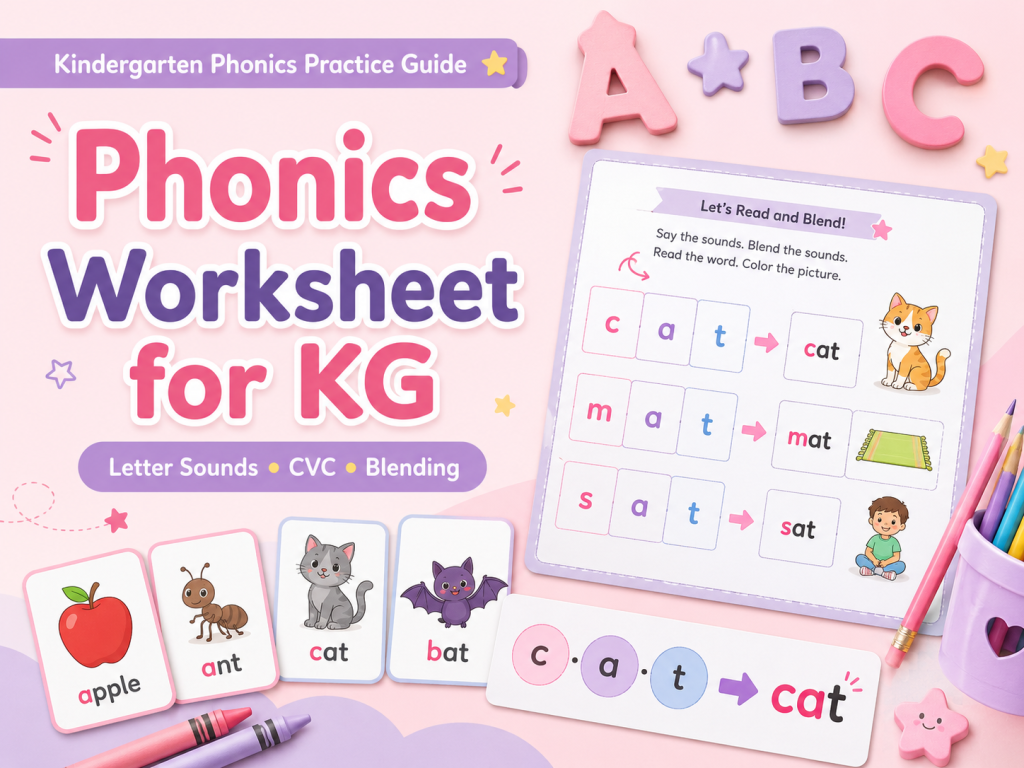
First, early reading practice becomes easier when children follow a clear learning order. A phonics worksheet for kg should help young learners hear letter sounds, read simple CVC words, and blend sounds without guessing from pictures. Therefore, this guide explains what KG learners should practise first, which worksheet type fits each stage, and how families, teachers, homeschool users, and learning centres can choose the right EnglishForKiz resource path.
Why the Practice Order Matters
To begin with, kindergarten phonics should not feel random. Some worksheets focus on tracing letters. Others ask children to read CVC words, fill in missing vowels, or read short sentences. However, these tasks do not belong at the same stage.
For a structured starting point, EnglishForKiz provides phonics worksheet for kg resources that support early letter sounds, short vowels, CVC words, and blending practice. Moreover, this page gives parents and teachers a clearer way to move from simple sound work into early reading.
In practical terms, the right worksheet should match the child’s current skill. A child who cannot hear the first sound in sun is not ready for mixed short vowel sentences. Meanwhile, a child who can read cat, map, and bag may need more blending practice and short decodable reading.
Letter Sounds Practice
First, letter sounds form the base of early decoding. Children need to know that printed letters represent spoken sounds. For example, the letter m connects with the /m/ sound in words like mat, map, and man.
However, letter names alone do not build reading fluency. A child may know the letter name “bee” but still need practice saying /b/ in bat. Therefore, early worksheets should include sound listening, picture matching, tracing, and simple oral review.
For focused beginning sound work, letter sounds worksheets can help children connect letters, sounds, and familiar pictures. In addition, they work well for preschool review, KG readiness, kindergarten intervention, and homeschool warm-ups.
How to Use Letter Sound Pages
First, start with a short oral warm-up. Say the target sound clearly, then name three familiar words that begin with it. Next, ask the child to repeat the sound and point to the matching letter.
After that, use the worksheet for one focused task. A child might circle pictures that begin with /b/, trace the letter b, and say each picture name aloud. Finally, close with a quick flashcard check or a sound hunt around the room.
CVC and Short Vowel Practice
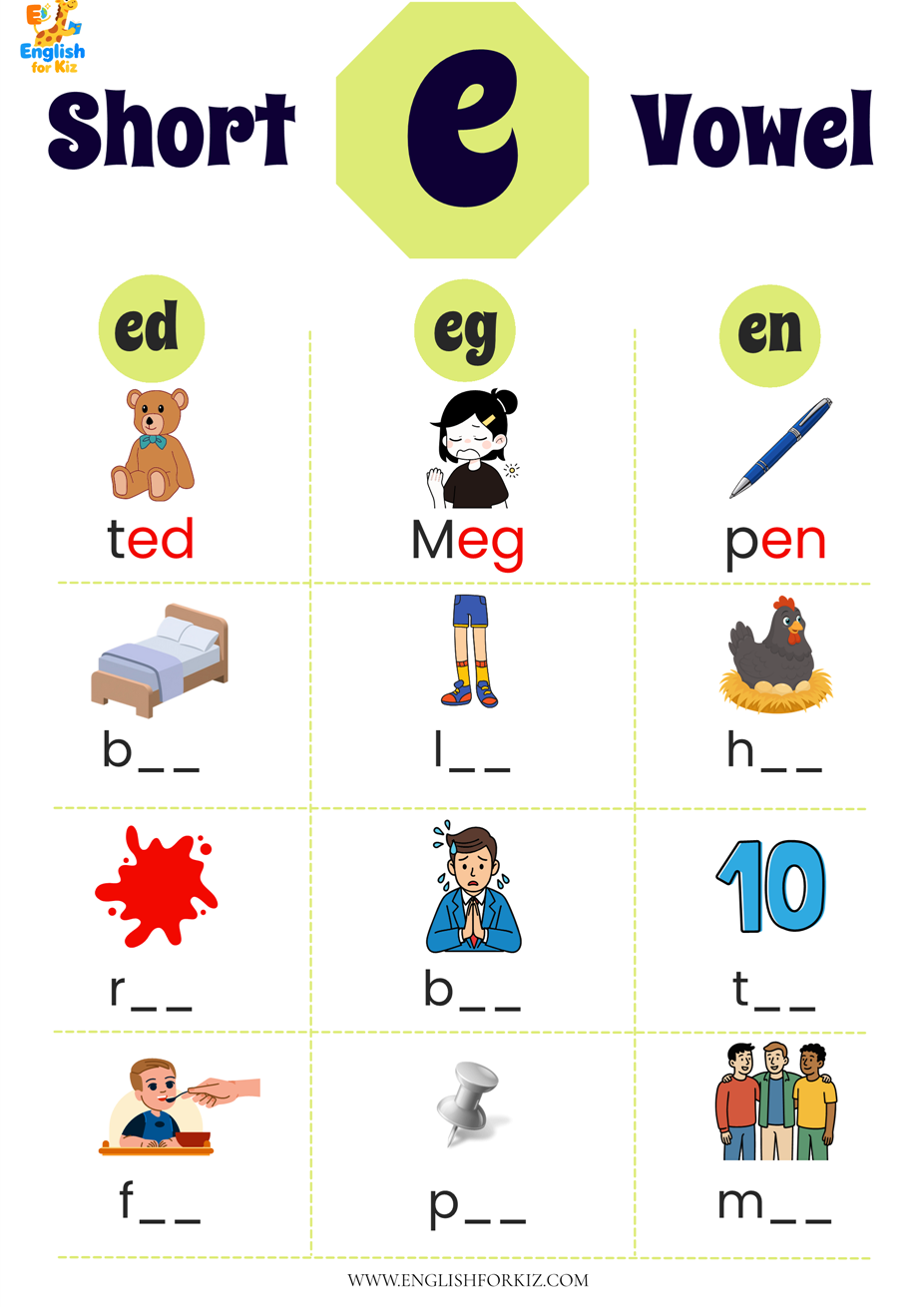
Next, CVC words become useful after children know several consonants and at least one short vowel. CVC means consonant-vowel-consonant. Common examples include cat, bed, pin, hop, and sun.
Still, CVC practice should begin carefully. Children need to hear each sound, blend the sounds, and connect the finished word to meaning. For example, /m/ /a/ /t/ becomes mat.
Meanwhile, short vowels need extra review. The sounds in a, e, i, o, and u can be hard to separate. Therefore, many children benefit from one-vowel practice before mixed short vowel pages.
When children are ready for word-level decoding, CVC words worksheets can support short vowel practice, word families, sound boxes, and simple spelling. As a result, the worksheet becomes more than copying; it becomes real decoding practice.
Useful CVC Worksheet Tasks
- Sound boxes: Children touch one box for each sound in a word.
- Picture matching: Children read a word and match it to the correct image.
- Missing vowels: Children listen for the middle sound and complete the word.
- Word family sorting: Children group words such as cat, mat, sat, and hat.
Blending Practice for Early Readers
After children know individual sounds, blending becomes the next major goal. Blending means saying sounds smoothly together to read a word. For example, /s/ /u/ /n/ becomes sun.
However, blending is not automatic for many KG learners. Some children can name sounds but still struggle to join them. Therefore, worksheets with dots, arrows, sound boxes, or finger-tracking prompts can make the process easier.
In addition, oral blending should happen before and after written work. An adult can say /p/ /i/ /g/ and ask the child to say pig. Then, the child can read the printed word and match it to a picture.
When to Add Decodable Reading
Once children can blend several CVC words, short decodable sentences become helpful. A sentence such as “A cat sat” gives reading a purpose. Moreover, it keeps the text within the sounds and word patterns already taught.
At this point, a broader phonics for kindergarten path can help organize worksheets, games, flashcards, videos, and stories into a clearer routine. This is useful when a class, home routine, or tutoring group needs a sequence rather than scattered pages.
Recommended EnglishForKiz Resource Picks
Moreover, the best results usually come from matching the resource to the learning stage. The resource cards below create a simple path from printable practice to review and full access.
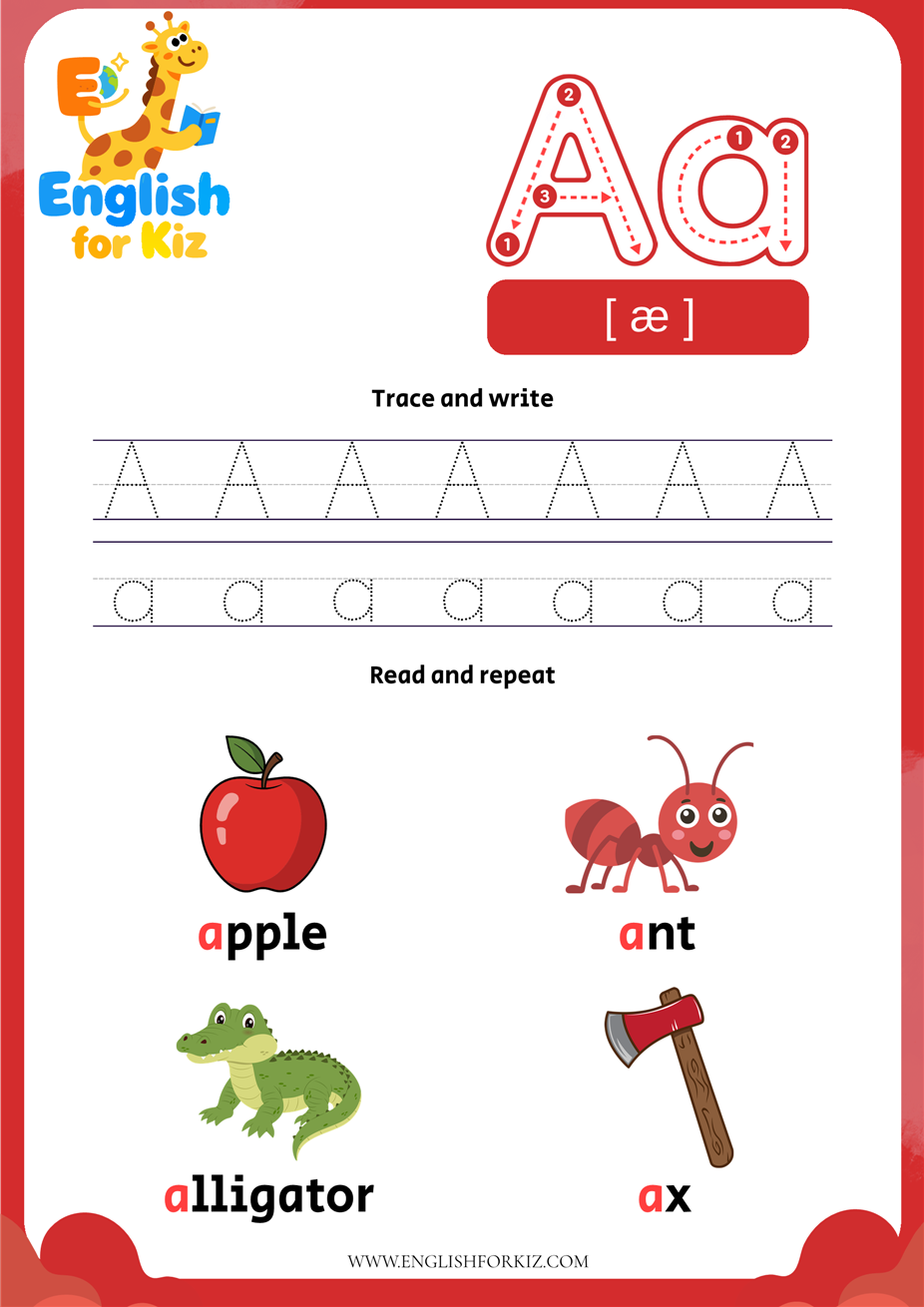 Letter Sounds Worksheets Start here when children need beginning sound, alphabet, tracing, and picture matching practice.
 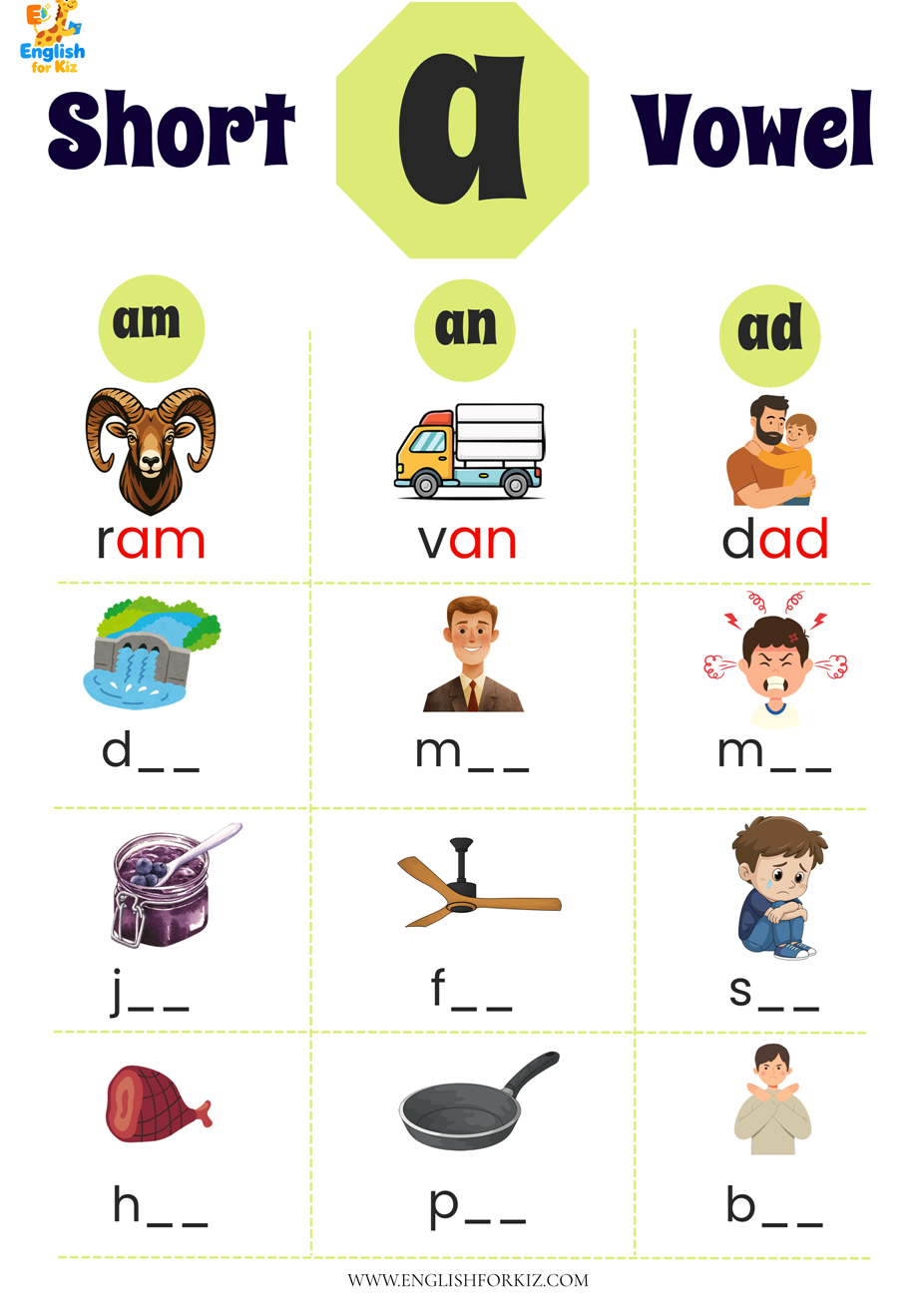 CVC Words Worksheets Use these for short vowels, word families, missing letters, sound boxes, and early decoding.
  Kindergarten Program Choose this when a complete KG phonics path is needed across several resource types.
  Full Resource Access Use this for ongoing access to worksheets, games, videos, flashcards, and stories.
 Who This Resource Path Fits Best
First, this practice path fits families who want a simple reading routine without collecting random worksheets from many places. A short daily worksheet, followed by a game or story, can make home practice easier to manage.
In classrooms, the same path supports small groups, literacy centres, homework review, and intervention work. Teachers can use letter sound pages for beginners, CVC pages for decoding groups, and kindergarten program materials for a fuller sequence.
For homeschool settings, the sequence helps keep lessons organized. Instead of jumping from alphabet pages to difficult readers, children can move from sound awareness to CVC blending and then to decodable reading.
In tutoring centres and small learning groups, the resources can support quick placement decisions. If a child struggles with first sounds, start with letter sounds. If the child reads CVC words slowly, add blending and short vowel review.
How to Choose the Right Resource
Before choosing a worksheet set or membership plan, the child’s current reading stage should guide the decision. A child who is still learning A-Z sounds needs different practice from a child who can already read short a words.
Choose letter sound worksheets when the child needs alphabet sounds, beginning sounds, and picture matching. Choose CVC pages when the child can hear sounds and is ready to blend short vowel words. Choose the kindergarten program when the goal is a fuller sequence across multiple weeks.
For broader early reading support, EnglishForKiz offers phonics for kids from Preschool to 2nd Grade. This helps families, teachers, and homeschool users keep phonics practice connected across worksheets, games, readers, and lessons.
Final Takeaways
Overall, strong KG phonics practice should stay focused, short, and connected to real reading. Letter sounds prepare children for decoding. CVC words turn those sounds into readable patterns. Then, blending and decodable practice help children apply the skill in simple reading.
Finally, the right next step depends on the learner’s stage. Start with one sound or one short vowel pattern. Next, pair worksheets with oral blending or a quick game. Then, use EnglishForKiz membership when a complete resource path is needed for worksheets, games, videos, flashcards, and stories.
FAQ
What should a KG phonics worksheet include?
First, it should include one clear skill, such as letter sounds, short vowels, CVC words, or blending. A strong page may use pictures, tracing, matching, sound boxes, and simple word reading.
What should kindergarten children practise first?
Generally, children should begin with listening skills and letter sounds. After that, they can practise short vowels, oral blending, and simple CVC words.
Are CVC words suitable for KG learners?
Yes, CVC words can suit KG learners when they already know the needed letter sounds. However, the word set should stay simple at first, with one short vowel pattern where possible.
Should worksheets be used with games or stories?
Yes, worksheets work better when they connect with active review and reading. Games can reinforce a skill, while decodable reading helps children use CVC words in short sentences.
Which EnglishForKiz option is best for a full routine?
For one skill, printable worksheets may be enough. For a complete path across worksheets, videos, games, flashcards, and stories, full access is the stronger option.
“`