Letter sound practice works best when children can hear, say, match, and use sounds in simple words. However, many early readers need more than quiet desk work. Short, focused play can make repeated practice feel easier and more memorable.
That is why phonics games are useful for parents, teachers, and homeschool families. A good game does not just fill time. It helps children notice beginning sounds, connect letters with sounds, blend CVC words, and move toward real reading with more confidence.
Quick Article Guide
Why games help 10 game ideas Practice resources Learning path FAQ
 Explore Interactive Phonics Games
 Why Phonics Games Help Early Readers
First, early readers need many chances to connect sounds with letters. A short game can repeat one skill without making the lesson feel heavy. For example, matching a picture of a sun to the letter s gives the child a sound, a visual clue, and a clear response.
At the same time, structured teaching still matters. Reading Rockets explains that effective phonics instruction should be systematic and explicit, with direct teaching of letter-sound relationships and practice applying those relationships in reading and writing. For this reason, games work best when they support a clear learning sequence, not when they replace instruction. Read the Reading Rockets phonics instruction guide.
Also, children often learn better when a lesson includes movement, choice, and quick feedback. A game can ask a child to listen, choose, say the sound, and try again. Then a worksheet or short reading task can help the same child slow down and show what has been learned.
10 Letter Sound Game Ideas
1. Sound Treasure Hunt
First, choose one target sound, such as /m/, /s/, or /t/. Children look around the room for objects that begin with that sound. For example, a sock can match /s/, while a mug can match /m/.
This activity fits preschool and early kindergarten learners because it starts with listening. After the hunt, children can draw one object and write the beginning letter beside it.
2. Letter Sound Match-Up
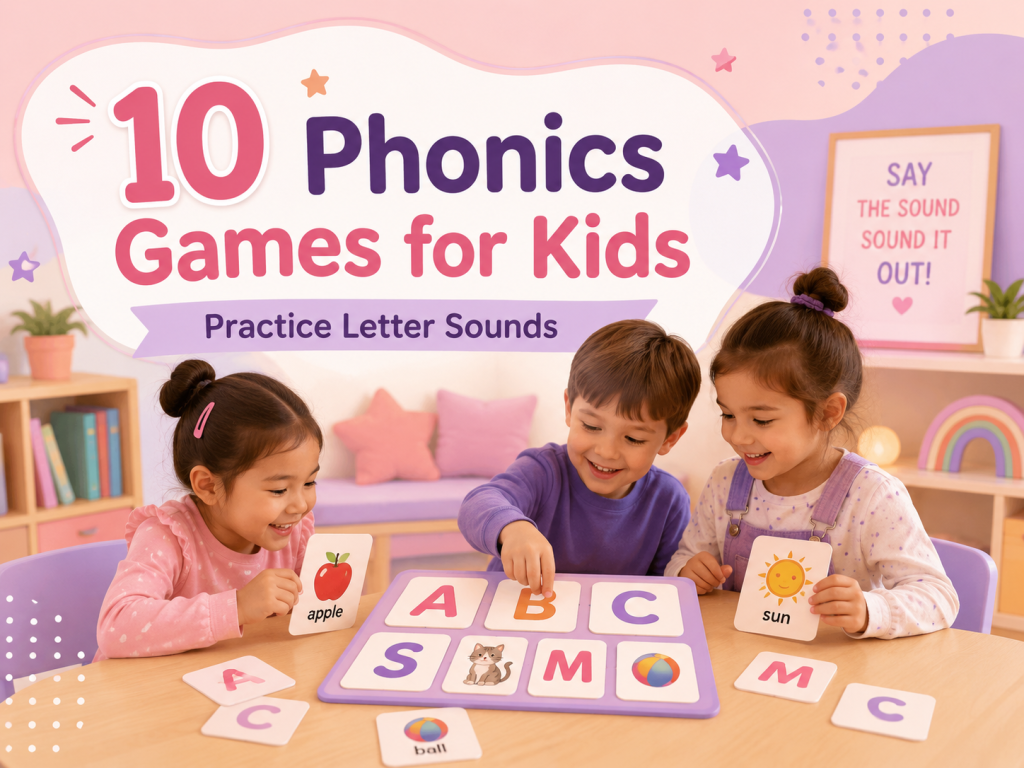
Next, place three or four letter cards on the table. Then add picture cards beside them. Children say each picture name and move it under the letter that makes the beginning sound.
However, the set should stay small at first. Too many choices can turn practice into guessing. With a small set, children can listen more carefully and build accuracy.
3. Mystery Sound Bag
Another useful game is Mystery Sound Bag. Put small objects or picture cards into a bag. A child pulls one item, names it, and says the first sound.
For example, a toy fish can lead to /f/. If the sound is difficult, the adult can stretch the word gently: fffish. Then the child tries again without pressure.
4. Sound Hop Path
Sometimes, movement helps children focus. Place letter cards on the floor. Say a sound, and the child steps or hops to the matching letter.
In a classroom, this can work as a small group warm-up. At home, it can become a five-minute review before worksheet time. Therefore, the game supports attention before desk practice.
5. First Sound Bingo
First Sound Bingo helps children listen for beginning sounds. Each child uses a small board with letters or pictures. The adult says a word, and children cover the matching beginning sound.
For example, “dog” matches d, and “sun” matches s. Because the routine feels familiar, children can focus on the sound skill instead of learning a complicated rule.
6. Robot Talk Blending
After children know several sounds, blending becomes important. In Robot Talk, the adult says /m/ /a/ /p/. Then the child blends the sounds and says “map.”
At first, no letters are needed. Later, letter cards can be added. This order helps children hear the word before they need to decode it on paper.
7. Build-a-Word Race
Build-a-Word Race gives children practice with sound order. Give a child three letter cards, such as s, a, and t. Then say “sat,” and ask the child to arrange the letters.
However, speed should not be the main goal at first. Accuracy matters more. Once children feel confident, the adult can change one sound at a time: sat, mat, map, tap.
8. Sound Sorting Mats
Sound Sorting Mats help children compare words. Place two or three letters on the table. Then children sort pictures by beginning sound, final sound, or short vowel sound.
For beginners, starting sounds are enough. Later, children can sort short vowels, such as cat, bag, and fan. In this way, one game can grow with the child.
9. Missing Sound Challenge
Missing Sound Challenge works well when children are ready for CVC words. Write a word with one missing letter, such as c_t. Then show a picture of a cat and ask which sound is missing.
First, remove beginning sounds. Next, try ending sounds. Finally, use short vowels when the child has enough listening practice. This sequence keeps the challenge fair.
10. Read and Cover Word Game
Read and Cover moves children from sound practice into word reading. Place simple CVC word cards beside matching pictures. The child reads a word, covers the picture, and says the sounds again.
For example, the child reads “pig,” covers the pig picture, and says /p/ /i/ /g/. This step helps children check the word through decoding, not only through picture clues.
Practice the Same Skills with EnglishForKiz
After a short sound game, the next step should feel clear. A simple learning path can start with interactive play, move into printable practice, and then continue with CVC blending or full access resources. This keeps the lesson easy to follow for home practice, small groups, and homeschool routines.
 Interactive Games Start here for short sound matching, listening practice, and playful review after a lesson. Start Playing
 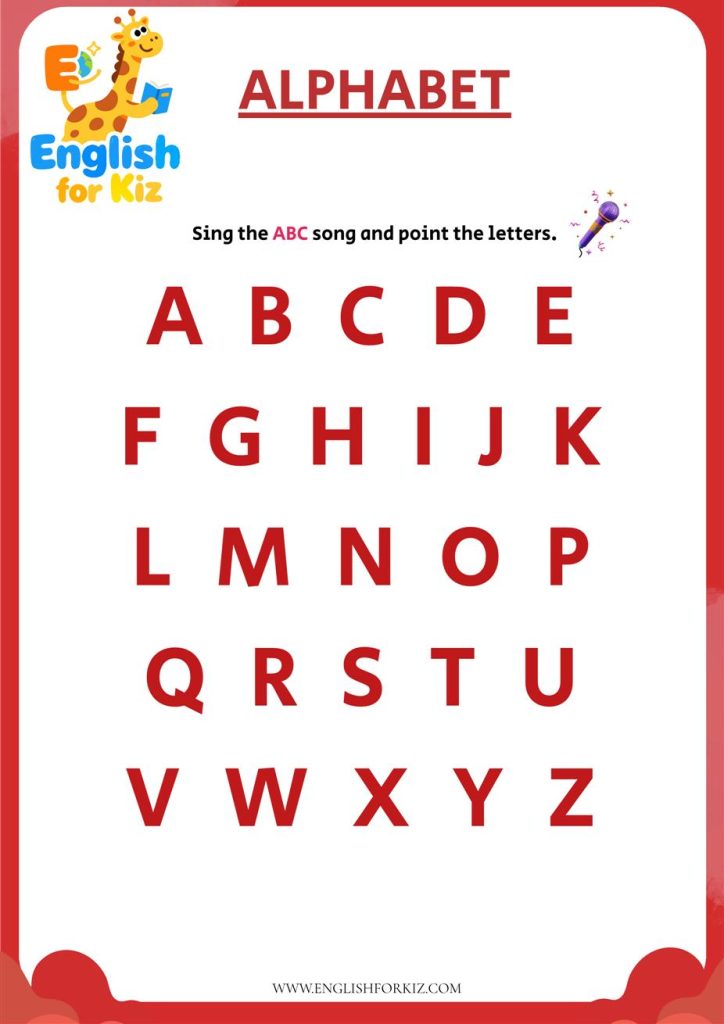 Printable Worksheets Use after a game for tracing, circling, matching, spelling, and quiet review. Use Worksheets
 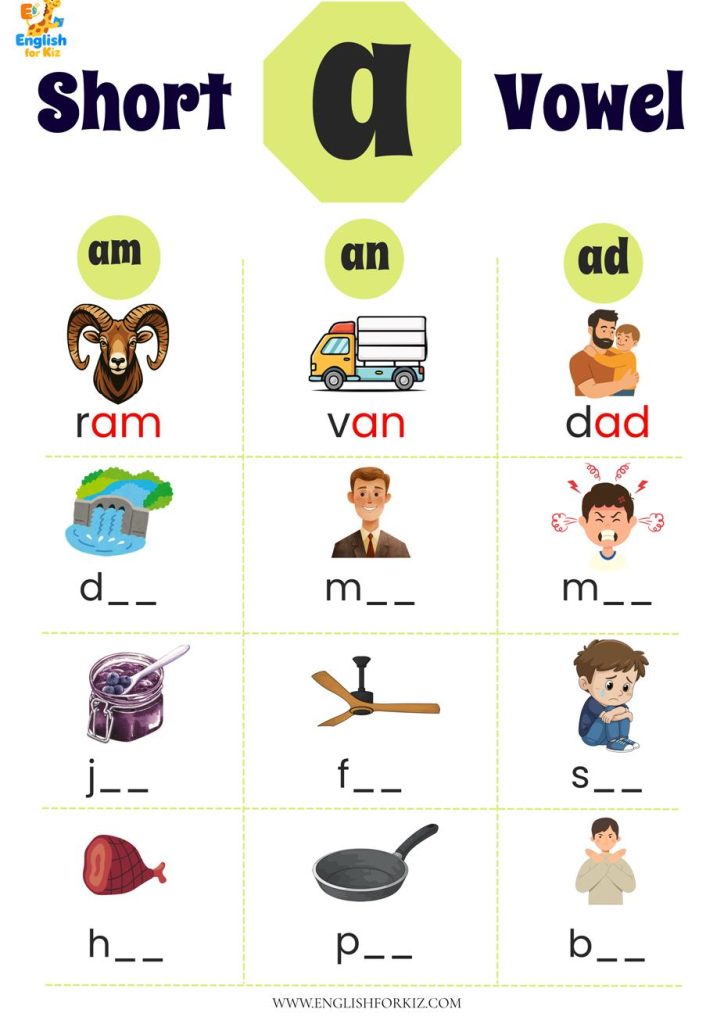 CVC Word Practice Move here when children are ready to blend sounds into words like cat, map, sun, and pig. Practice CVC Words
  Full Access Best for families and classrooms that want games, worksheets, videos, flashcards, and readers together. Unlock Full Access
 A simple path works best: start with a game, reinforce the same sound with a worksheet, then move into CVC blending when the child is ready.
How to Use Games with Worksheets and Reading
First, use a game to introduce or review one clear sound. For example, a child may play Sound Treasure Hunt for /b/. Then a worksheet can ask the child to trace b, circle pictures that begin with /b/, or match the letter to a picture.
Next, move from sounds into simple words. Robot Talk and Build-a-Word Race prepare children for CVC blending. After that, a CVC worksheet can give spelling and reading practice with a controlled word set.
Finally, connect practice to short reading. Children should not only identify sounds in isolation. They also need to use those sounds in words, sentences, and decodable stories. This path makes each activity feel useful.
Which Practice Path Fits Each Learning Setting?
For home practice, the easiest starting point is usually a five-to-ten-minute game. A short session keeps practice calm and realistic. After the game, one worksheet page can help the child review the same sound with pencil work.
For classroom use, games work well as small group warm-ups or literacy centers. Meanwhile, printable pages can show individual progress. This combination makes it easier to see who can hear the sound, match the letter, and blend the word.
For homeschool routines, a weekly rhythm can keep practice organized. Monday may focus on sound games. Tuesday can add worksheets. Wednesday can bring in CVC blending. Then Thursday and Friday can review through reading and quick checks.
A Simple Weekly Practice Plan
- Monday: introduce one letter sound with a quick listening game.
- Tuesday: match the sound to letters and pictures.
- Wednesday: complete one short worksheet for tracing or sorting.
- Thursday: blend three-sound CVC words with cards.
- Friday: review through a game, a worksheet, or a short decodable reading activity.
Common Mistakes to Avoid
First, avoid using too many sounds at once. A big set may look complete, but it can overwhelm early readers. A smaller set helps children listen, compare, and remember.
Next, avoid teaching only letter names. Letter names matter, but early decoding depends on sounds. A helpful model is simple: “This letter is m. It says /m/.”
Also, avoid turning every game into a test. Mistakes are part of learning. A short model, a calm repeat, and another try usually help more than a long correction.
Finally, avoid stopping at the game. Sound play is helpful, but it becomes stronger when children also write, sort, blend, and read. Therefore, the best routine uses both interactive and printable practice.
Start with a Clear Practice Path
A strong early reading routine does not need to be complicated. Start with one sound. Add one short activity. Then connect that sound to print through a worksheet or a simple word-building task.
EnglishForKiz brings games, worksheets, videos, flashcards, readers, and grade-level practice into one learning path. For broader structured practice, the Full Access option above is the most complete next step.
For a wider starting point, explore phonics for kids resources across the EnglishForKiz site.
FAQ
What activities are best for beginners?
For beginners, listening games are usually best. Sound Treasure Hunt, Mystery Sound Bag, and First Sound Bingo help children hear beginning sounds before they need to read full words.
Can games help children learn letter sounds?
Yes, games can help when the sound goal is clear. A good activity asks children to hear a sound, say it, match it to a letter, and use it again in a simple task.
Should games replace worksheets?
No. Games and worksheets work better together. Games build energy and listening practice, while worksheets support tracing, spelling, matching, and quiet review.
Are these activities good for kindergarten?
Yes. Kindergarten learners often need practice with letter sounds, first sounds, short vowels, and CVC blending. Short games can make repeated practice feel more natural.
How often should children practice?
Short practice several times a week is usually more useful than one long session. Five to ten minutes can be enough when the activity has one clear focus and connects to reading or writing afterward.