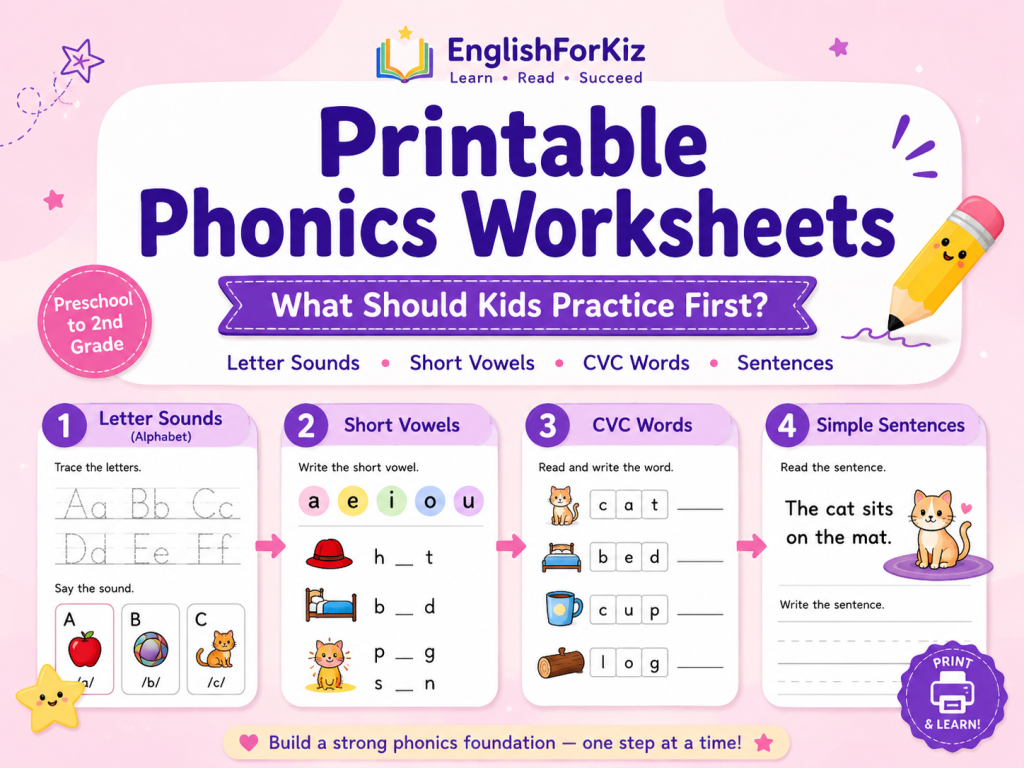
Printable phonics worksheets work best when practice follows a clear learning order. Instead of printing random pages, early readers benefit from a simple path: letter sounds first, short vowels next, CVC words after that, and finally blending into simple sentences.
Early reading practice can feel confusing when every worksheet promises to help. Some pages focus on tracing letters. Others ask children to read CVC words, fill in missing vowels, or read short sentences. However, these tasks do not belong at the same stage.
For that reason, a clear sequence matters more than a large worksheet pile. First, children need to hear and say sounds. Next, they connect sounds to letters. After that, they blend sounds into words and begin reading short, decodable sentences.
For a structured starting point, EnglishForKiz provides phonics worksheets that support preschool, kindergarten, Grade 1, and Grade 2 practice. The goal is not to rush through every page. Instead, each worksheet should match the reading skill being taught.
Why Printable Phonics Worksheets Need an Order
A worksheet should train one clear skill. For example, a letter-sound page helps children hear the first sound in a word. A CVC page teaches blending. A sentence page builds reading fluency. Although these skills connect, they should not be mixed too early.
When practice jumps ahead, children often guess from pictures or memorize whole words. As a result, they may look successful on one page but struggle when the picture disappears. Structured phonics reduces that problem because children learn how letters and sounds work together.
In addition, ordered practice helps adults choose the right level. A child who still confuses beginning sounds does not need a long sentence worksheet yet. Instead, that child needs more listening, letter recognition, and sound matching before word reading begins.
Step 1: Begin with Letter Sounds
First, early readers need to connect printed letters with spoken sounds. This skill sounds simple, but it is the base for later decoding. A child may sing the alphabet song and still need help saying the sound for m, s, t, or p.
At this stage, practice should stay focused. A useful page may ask children to trace one letter, say the sound, and circle pictures that begin with that sound. Meanwhile, oral practice should happen before pencil work. Saying the sound aloud gives the worksheet more purpose.
For younger learners, one letter sound per page is often enough. For kindergarten review, two or three sounds can appear together. However, the page should still feel clear. Too many letters, pictures, and instructions can make a simple skill feel heavy.
Step 2: Practice Short Vowels and CVC Words
Next, children need careful short vowel practice. Short vowels can be tricky because a small sound changes the whole word. For example, cat, cut, cot, and kit all depend on the vowel sound. Therefore, vowel work should not be rushed.
CVC words are a natural next step. CVC means consonant-vowel-consonant, as in cat, bed, sit, dog, and cup. These words help children blend sounds from left to right. At the same time, they learn that printed words can be decoded.
A strong CVC worksheet usually includes one clear pattern. For example, one page may focus on short a word families such as -am, -an, and -ad. Another page may focus on short e or short i. This keeps the child’s attention on the target sound.
For children ready to move from sounds into words, the EnglishForKiz phonics for kindergarten path connects short vowels, CVC spelling, sight words, games, and decodable reading practice in a more complete sequence.
Step 3: Move from Blending to Simple Sentences
After children can read several CVC words, sentence practice becomes useful. However, sentence pages should stay mostly decodable. That means the words should follow patterns the child has already learned.
For example, a child who knows short a and basic consonants may read “Sam sat” or “A cat ran.” These sentences are simple, but they build an important bridge. The child begins to use phonics for real reading, not only isolated word drills.
At this point, short high-frequency words can appear carefully. Words such as the, I, my, and is can help sentences sound natural. However, too many tricky words can overload the lesson. So, each page should add only a small amount of new challenge.
In addition, sentence worksheets should include meaning. Children can read the sentence, draw a quick picture, answer a simple question, or act it out. As a result, decoding and comprehension grow together.
How This Fits Structured Phonics Practice
Structured phonics works best when children receive clear instruction, enough practice, and a planned sequence. This is why worksheet choice should follow the skill being taught, not only the child’s age or grade level.
Reading Rockets explains that systematic phonics teaches letter-sound relationships in a clearly defined sequence and gives children practice applying those relationships while reading and writing. This supports the same practical idea: start with sounds, build into words, and then move into connected text.
For more background on systematic phonics, see Phonics Instruction: The Basics from Reading Rockets. This reference helps explain why a planned phonics order is more useful than random worksheet practice.
Which Resource Should Start First?
Different children need different entry points. A preschool learner may need letter formation and sound awareness. A kindergarten learner may be ready for short vowels and CVC words. Meanwhile, a Grade 1 or Grade 2 learner may need review, spelling rules, or more advanced phonics patterns. The cards below make the next step easier to choose.
Best for: Parents and preschool learners
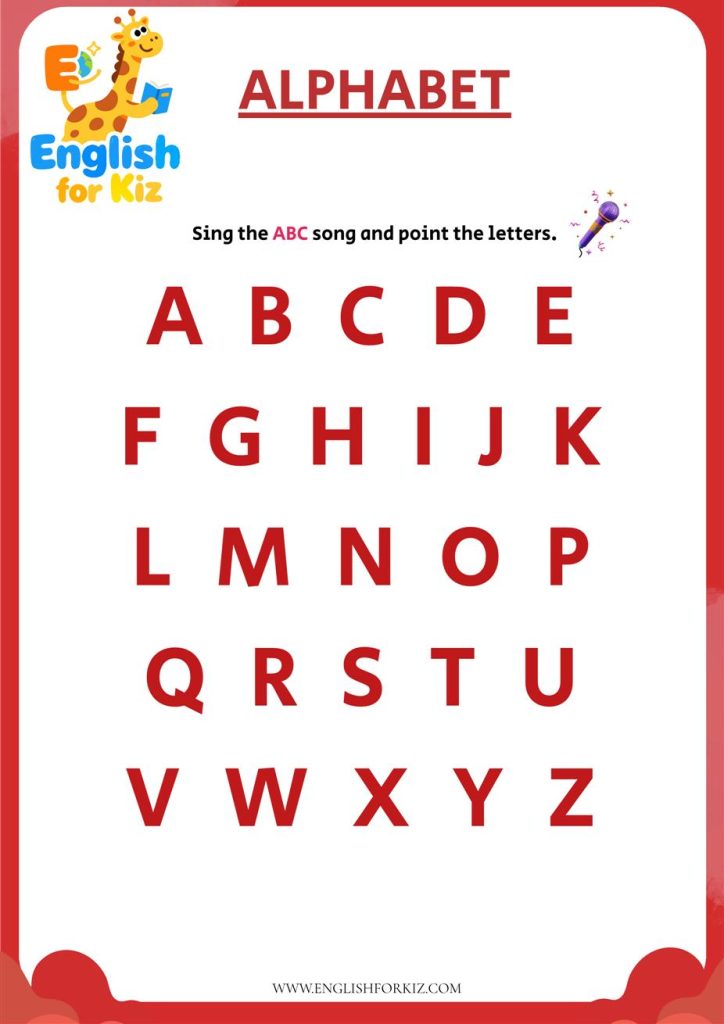
Start with Letter Tracing and Letter Sounds
This starting point fits children who are still learning uppercase letters, lowercase letters, pencil control, and basic sound awareness.
View Preschool Worksheets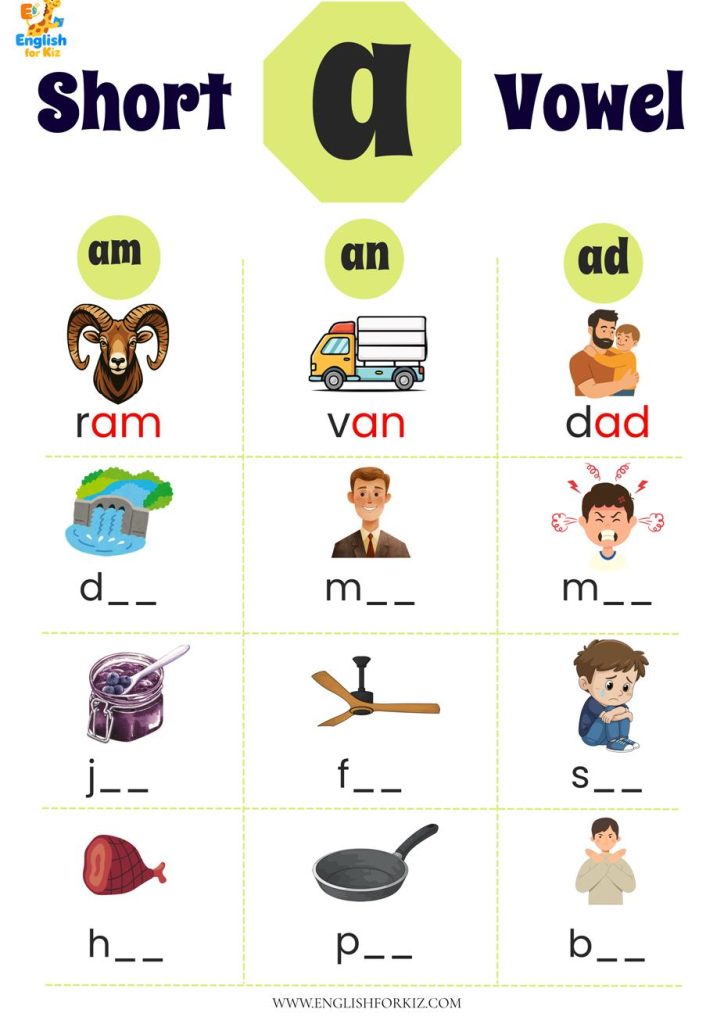
Best for: Kindergarten, homeschool, and small groups
Move into Short Vowels and CVC Words
This level fits children who know several letter sounds and are ready to blend short words like cat, bed, sit, dog, and cup.
View Kindergarten Program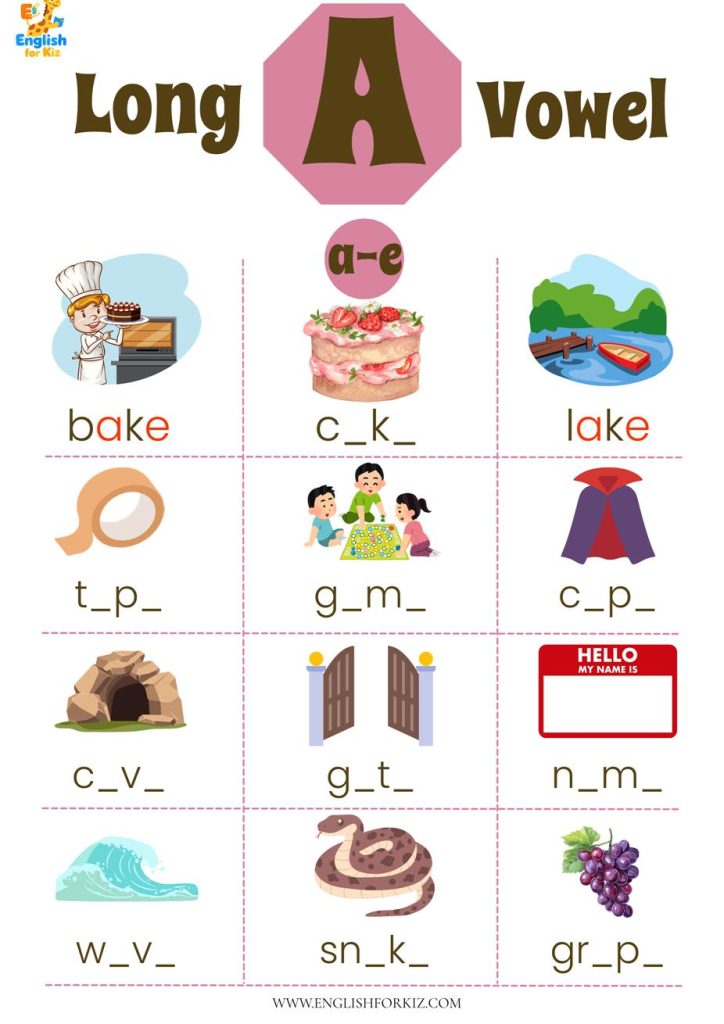
Best for: Grade 1 review and classroom centers
Build Blends, Digraphs, and Magic E
This level fits children who can read many CVC words and need more practice with longer patterns and spelling rules.
Explore Grade-Level Worksheets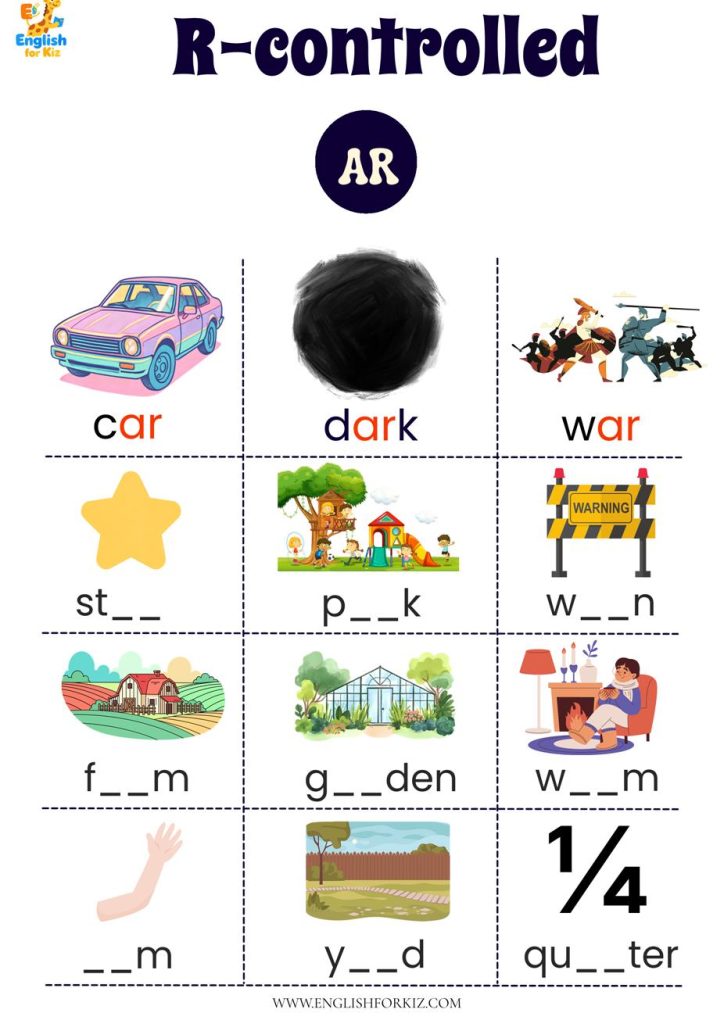
Best for: Ongoing practice and full access users
Unlock a Complete Practice Path
This option fits families and classrooms that want worksheets, flashcards, games, videos, and decodable stories in one learning system.
Unlock Full AccessWho This Worksheet Path Fits
This practice path fits parents who want a calm daily routine at home. It also fits teachers who need printable pages for small groups, literacy centers, review folders, or take-home practice. In addition, homeschool families can use the same sequence to plan weekly phonics lessons.
For classrooms, the main benefit is organization. One group can review letter sounds while another group practices CVC blending. For home use, the benefit is clarity. A short worksheet can show whether the child is ready to move ahead or needs more review.
For ESL and EFL learners, the sequence is also helpful because letter sounds, short vowels, and CVC words need repeated listening and speaking practice. Worksheets should still connect with oral modeling, games, flashcards, and short decodable reading.
A Simple Weekly Practice Routine
A worksheet routine does not need to be long. In fact, short daily practice often works better than a large packet once a week. The key is to repeat the same sound pattern through listening, reading, writing, and review.
For example, Monday can introduce the sound with flashcards or a short video. Tuesday can use a worksheet for tracing, matching, or word building. Wednesday can add a game. Thursday can bring in a decodable sentence. Finally, Friday can review the same pattern with a quick reading check.
This rhythm keeps practice structured without feeling stiff. More importantly, it helps children understand that phonics is not just a worksheet task. It is a reading tool they can use in words, sentences, and stories.
Start with the Worksheet Library or Unlock Full Access
Strong phonics practice begins with the right stage. For a simple start, open the worksheet library and choose the level that matches the child’s current skill. For a more complete routine, EnglishForKiz membership gives access to worksheets, flashcards, decodable stories, videos, games, and phonics music in one place.
Final Takeaway
In the end, worksheet success comes from sequence, not volume. Children usually need letter sounds first, short vowels next, CVC blending after that, and simple sentences once decoding feels more stable.
To make practice easier, follow three simple actions:
- Choose one clear skill per worksheet. Avoid pages that mix too many new patterns at once.
- Use short, regular practice. A focused page with oral sound work is better than a rushed packet.
- Connect worksheets with reading. Add games, flashcards, and decodable sentences so phonics feels useful.
FAQ
What printable phonics worksheets should kids use first?
Most children should start with letter sounds. These pages help children connect spoken sounds with printed letters. After that, short vowels and CVC words can build early blending.
Should children practice letter sounds before CVC words?
Yes, many children benefit from letter-sound practice before CVC word reading. However, the two skills can overlap once several sounds feel familiar.
Are printable worksheets good for kindergarten?
Yes, worksheets can support kindergarten phonics when they match the lesson goal. They work best after sound modeling, oral practice, and short teacher or parent guidance.
How do I know if a worksheet is too hard?
A worksheet may be too hard if the child guesses often, needs help on every item, or loses focus quickly. A simpler page can rebuild confidence before moving ahead.
Can worksheets be used for homeschool?
Yes. Homeschool lessons can use worksheets as one part of a balanced routine. A simple pattern works well: introduce the sound, practice orally, complete a short page, and finish with reading.