Phonological Awareness vs. Phonics in Early Education
Many adults think early reading starts with letters. But a big part of reading starts with listening. Before children can match letters to sounds, they need to hear and work with the sounds in spoken words.
That’s where phonological awareness and phonics come in. They are related, but they are not the same. In simple terms:
- Phonological awareness = hearing and playing with sounds in spoken language (no print needed).
- Phonics = connecting those sounds to letters and spelling patterns in print.
Understanding phonological awareness vs phonics helps you teach skills in the right order and avoid frustration for young learners.
What Is Phonological Awareness?
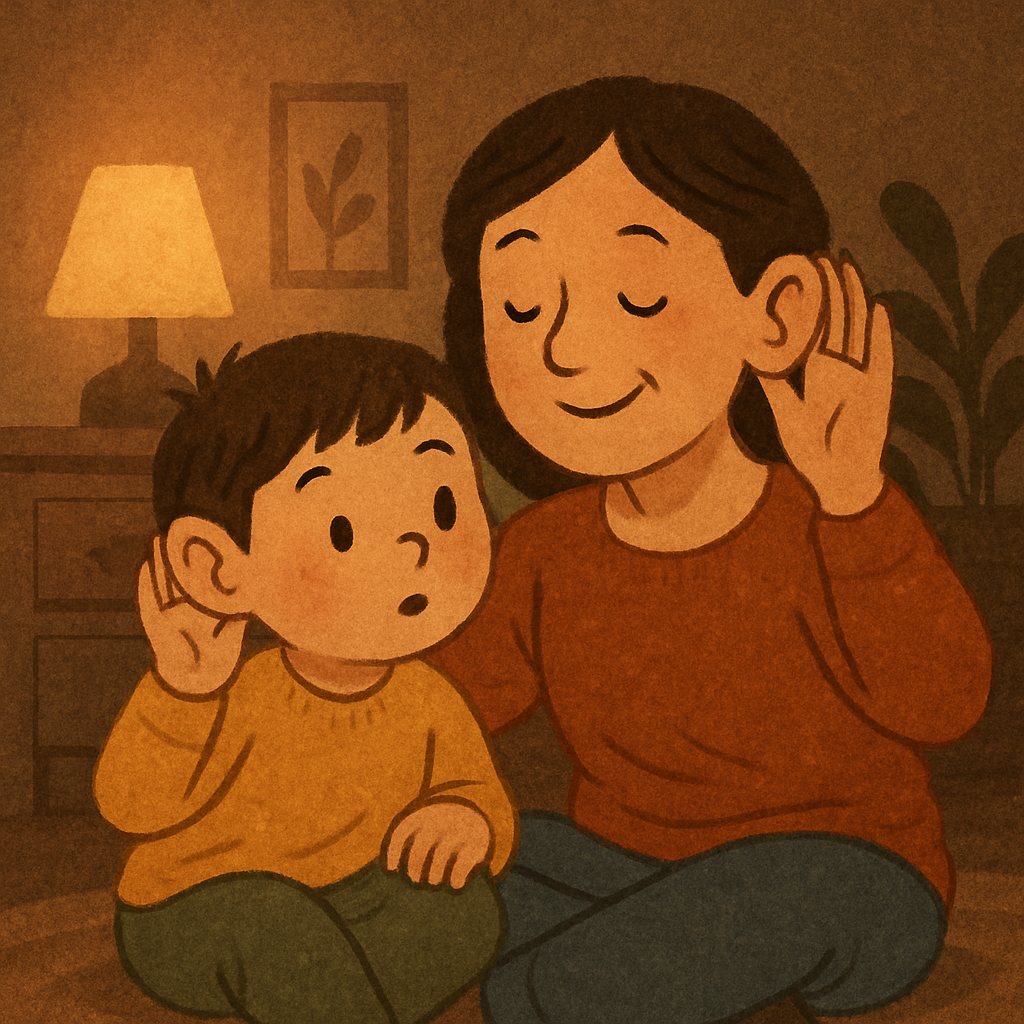
Phonological awareness is a child’s ability to notice and work with sounds in words. It is an “ears-only” skill. Children can practice it while talking, singing, or listening to stories.
Phonological awareness includes several sound skills, such as:
- Word awareness: hearing that a sentence is made of separate words.
- Syllables: hearing the beats in a word (ba-na-na has three beats).
- Rhyme: noticing that cat and hat end the same way.
- Beginning and ending sounds: noticing that sun starts with /s/.
These skills help children get ready for later reading work because they learn to pay attention to the sound structure of language.
What Is Phonemic Awareness?
Phonemic awareness is a part of phonological awareness. It is more specific and more advanced. It means hearing and working with individual sounds (phonemes) in words.
For example, the word cat has three sounds: /k/ /a/ /t/. When a child can hear those separate sounds, they are building a key skill for reading and spelling.
Common phonemic awareness skills include:
- Sound isolation: “What is the first sound in dog?”
- Blending: “What word is /m/ /u/ /g/?” (mug)
- Segmenting: “Say all the sounds in fish.” (/f/ /i/ /sh/)
- Manipulating sounds: “Say smile without /s/.” (mile)
This matters because phonics instruction works best when children can already hear the sounds they are trying to match to letters.
What Is Phonics?
Phonics is the “eyes + ears” part of early reading. It teaches children how letters (and letter groups) represent sounds.
In other words, phonics answers questions like:
- What sound does m usually make?
- How do sh and ch sound?
- How do we read and spell common patterns like ai in rain or oa in boat?
Good phonics instruction helps children decode (sound out) new words instead of guessing from pictures or memorizing whole words by shape.
Phonological Awareness vs. Phonics: The Key Differences
Here is a clear comparison:
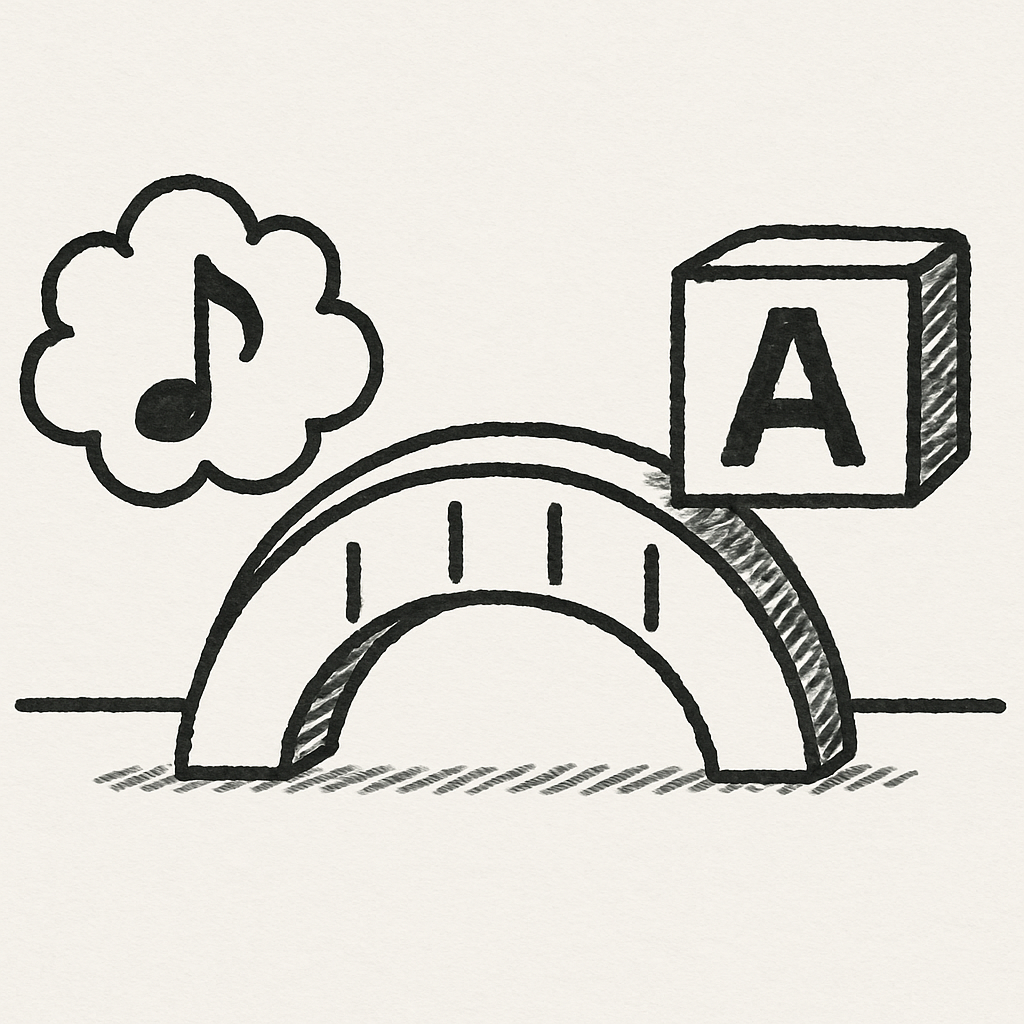
- Phonological awareness is oral. No letters are needed.
- Phonics uses print. Children connect sounds to letters.
- Phonemic awareness (a type of phonological awareness) focuses on individual sounds and strongly supports decoding.
Both matter. They simply do different jobs.
Which Comes First?
In general, children benefit from building phonological awareness first, then moving into phonics. Many children learn some of both at the same time, but the sound skills often need extra practice before decoding feels easy.
If children can’t hear the sounds in a word, phonics can feel confusing. For example, a child may know letter names but still struggle to blend the sounds in c-a-t into cat.
Signs a Child May Need More Sound Practice
If phonics instruction isn’t “clicking,” it may help to strengthen phonological and phonemic awareness first. Common signs include:
- Difficulty producing rhymes (cat/hat).
- Trouble clapping syllables in simple words.
- Difficulty blending sounds you say aloud ( /b/ /a/ /t/ ).
- Guessing words based on the first letter rather than sounding out the whole word.
Simple Activities You Can Do (No Worksheets Needed)
These activities support phonological awareness, phonemic awareness, and early phonics instruction. They work well at home and in classrooms.
- Clap the beats: Clap syllables in names and objects (pen-cil, ta-ble).
- Rhyme time: Read rhyming books and pause so children can fill in a rhyme.
- Robot talk: Say a word in sounds ( /s/ /u/ /n/ ) and have children blend it (sun).
- Sound hunt: “Find something that starts with /m/.”
- Letter-sound match: When ready, show a letter and say its common sound (this is phonics).
How They Work Together in Early Education
In strong early literacy teaching, children get regular practice with:
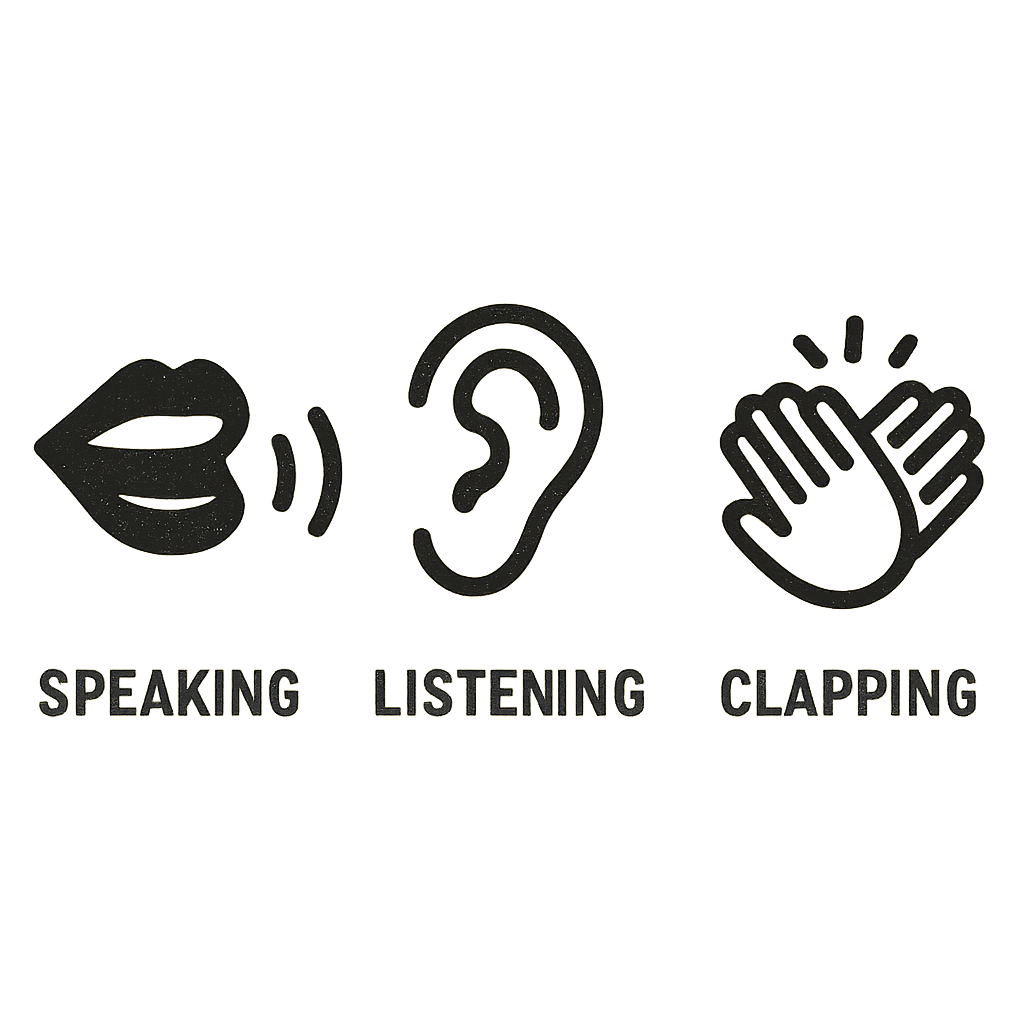
- Listening for sounds in words (phonological and phonemic awareness)
- Matching sounds to letters and patterns (phonics instruction)
- Using those skills to read and spell real words
When both parts are taught well, children are more likely to become confident decoders and stronger spellers.
Key Takeaways
- Phonological awareness builds sound skills without print.
- Phonemic awareness focuses on individual sounds and is especially important for decoding.
- Phonics teaches how letters represent sounds in written words.
- Sound skills support phonics; phonics helps children read and spell.