Understanding Ad Word Families in Depth
Remember the exact moment your child realized that “cat” and “hat” sounded exactly the same? That little spark of understanding is the secret engine behind early reading success. Many beginning readers struggle because they try to sound out every single letter, turning a simple word into an exhausting puzzle. By introducing them to the “pattern shortcut,” you can help them stop seeing individual letters and start recognizing familiar chunks.
Think of these rhyming chunks like a set of connected Lego bricks that form a sturdy base. Once your young learner understands that “a” and “d” joined together make the “-ad” sound, that specific piece stays exactly the same. They simply snap a new letter onto the front to build an entirely new word. This straightforward visual trick turns one learned sound into ten different vocabulary words without overwhelming the child.
Educational experts generally agree that starting with familiar concepts builds the most confidence in young minds. This makes ad word families an incredibly high-priority starting point for early literacy. Children already use relatable, highly emotional words like “dad,” “sad,” and “mad” in their everyday conversations. By teaching CVC words with ad endings, you anchor their new reading skills to sounds they hear every single day around the kitchen table.
Spotting these familiar groups instantly improves a child’s decoding efficiency. Instead of wrestling with “m-a-d” as three separate, disconnected sounds, a reader sees the “m” and slides right into the familiar “-ad” chunk. In practice, this shift from letter-by-letter reading to pattern recognition dramatically cuts down on hesitation and frustration. Your student begins to read with newfound speed, moving from simply deciphering text to actually enjoying the story.
Mastering this specific grouping provides a critical stepping stone toward reading independence. You will quickly notice your child stops guessing and starts trusting their ability to spot the shortcut on the page. Improving reading fluency with word patterns does not require a degree in education or complicated lesson plans. It just takes a few practical tools, a little patience, and a willingness to build those word families one block at a time.

Why the ‘Lego Brick’ Method Stops Kids from Guessing
Watching a beginning reader stare at a page and just guess a word can be frustrating. You can help them break this habit by turning the familiar ‘ad’ sound into a solid anchor. Think of this anchor as a sturdy Lego baseplate that never changes shape. When kids know that base is always there, they stop feeling overwhelmed by a string of disconnected letters.
This reliable pattern is part of a framework teachers call CVC, which stands for Consonant-Vowel-Consonant. Instead of sounding out all three letters every single time, your child only needs to recognize the middle vowel and the final consonant as a single paired unit. That “-ad” chunk stays firmly in place, giving them a dependable ending to lean on while reading.
Once they trust that anchor, you can teach them the “swap-the-front” technique to easily build any ad word. By simply snapping a new consonant onto the front of their Lego baseplate, they transform “mad” into “sad” without starting from scratch. Exploring different examples of short a rime patterns this way builds immediate reading confidence, because decoding becomes a fun game of swapping blocks rather than a daunting chore.
Finding the best words to practice this block-swapping method is the next step toward fluency. Caregivers often ask what common ad word list examples to introduce so their young reader doesn’t get frustrated. Here are 8 core ‘-ad’ words every beginner needs first.
The Starter List: 8 Core ‘-ad’ Words Every Beginner Needs First
When figuring out exactly what words to use first, always start with feelings and family. Words tied to strong emotions or daily life stick in a child’s memory much faster than random vocabulary. Here are eight essential words to focus on:
- Dad: A parent who loves you.
- Mad: Feeling very angry.
- Sad: Feeling unhappy or wanting to cry.
- Bad: Not good, or against the rules.
- Pad: A stack of paper for drawing.
- Lad: Another word for a young boy.
- Fad: A silly trend everyone likes briefly.
- Glad: Feeling very happy.
Notice how most of these are simple three-letter words, but “glad” introduces a slight twist. Before creating printable flashcards for short a phonics practice, separate the basic words from those with blended letters. Kids need to master swapping single front letters, like the m in mad, before trying to slide two sounds together, like the gl in glad.
Grouping these familiar words makes daily reading feel completely manageable for a beginner. Once they confidently recognize this core vocabulary, it becomes much easier to explain how that first letter snaps onto our reliable anchor sound. Mastering this connection naturally prepares them for the next step: breaking words down into “the start” and “the end.”
Onset and Rime: Breaking Words into ‘The Start’ and ‘The End’
Struggling to sound out every single letter is tough because holding isolated sounds in memory is exhausting. Instead of tackling “M-A-D” as three separate puzzles, reduce this mental effort by splitting words into just two pieces: the start (onset) and the end (rime). This strategy provides a massive shortcut when comparing onset and rime vs whole word reading. Rather than memorizing entire words by sight, beginners rely on familiar building blocks.
By helping kids recognize similar ending sounds, they stop guessing and start anticipating patterns. If they already know “sad” ends in “ad,” they do not have to relearn those specific letters when looking at “pad.” They only need to focus on the new starting letter, which dramatically cuts down their brain’s workload.
Try using the “Finger Tap” technique to practice this easily at home. Have your child tap their left index finger on the table while making the starting sound, like the “b” in bad. Next, they tap their right finger while saying the ending chunk, “ad.” Physically separating the two parts makes this abstract concept completely concrete for young learners.
Once those two distinct taps become comfortable, reading hesitation usually disappears. Kids quickly realize half the word is already a familiar friend, giving them the confidence to tackle vocabulary without feeling overwhelmed. The next logical step is connecting those isolated taps together for seamless blending.
The ‘Sound Slide’ Trick for Seamless Blending
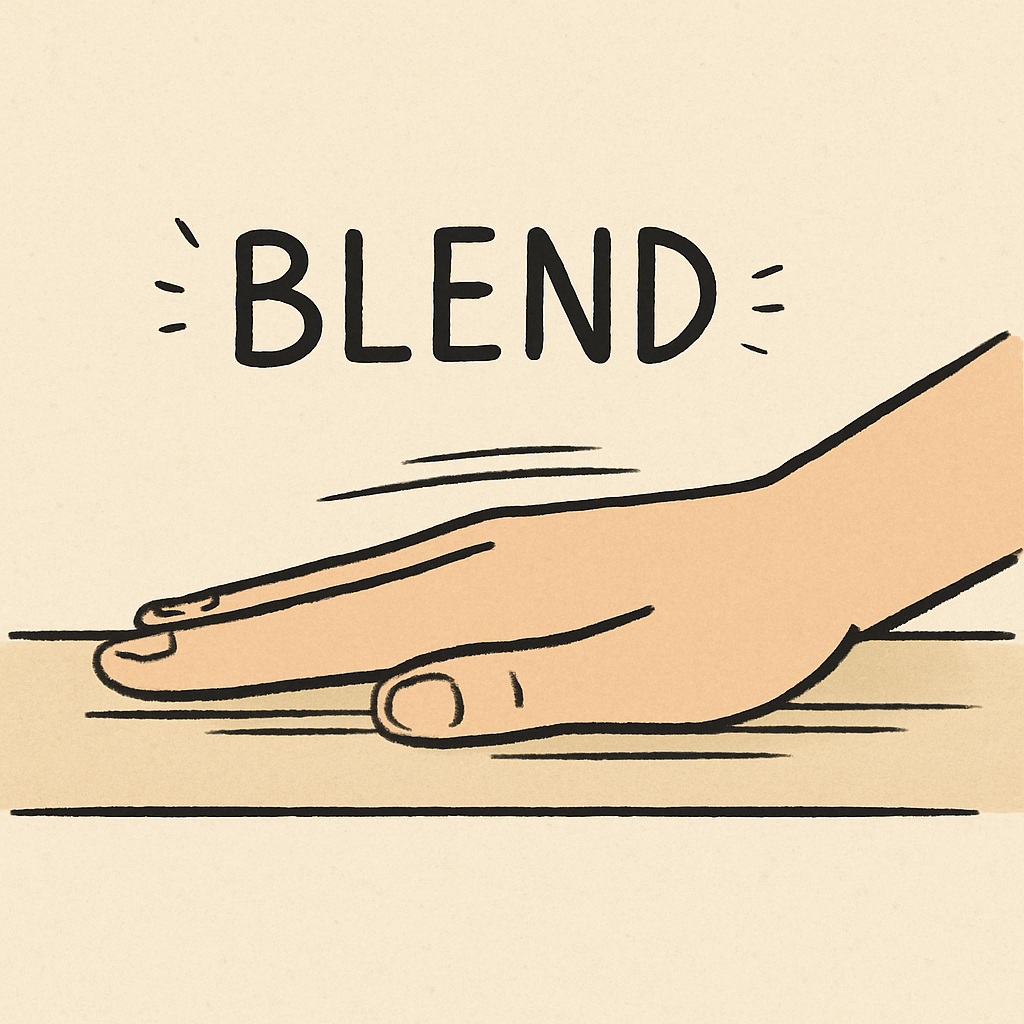
Hearing a child perfectly pronounce “m… a… d” only to confidently guess “bad!” is a classic frustration. Pausing between sounds causes beginners to drop the first letter entirely from their short-term memory. To solve the problem of the forgotten first letter, we must eliminate those choppy pauses. Mastering smooth sound transitions naturally increases reading speed and reduces mental fatigue.
The secret is a physical technique called the “sound slide.” Instead of tapping under each individual letter, have your child place their finger under the first letter and drag it smoothly across the table. Tell them to pretend they are on a playground slide, riding the starting “m” directly into the “-ad” chunk without taking a breath.
Think of this motion like stretching a rubber band, where the noise stretches but never breaks. When testing phonics activities for short a sound, this continuous connection is crucial. They stretch “mmmmmm-ad” until the pieces melt together. This unbroken vocal stream prevents sound-chopping and is the absolute foundation of blending sounds to form cvc syllables.
Once your beginner feels the rhythm of sliding sounds together, reading hesitancy fades. They stop seeing words as disconnected hurdles and start seeing predictable patterns they can control. With this smooth blending technique working, you can ensure those recognized patterns stick permanently through visual mapping.
Mapping the Brain: Using Sound Boxes for Permanent Memory
Even after a child successfully slides sounds together, they might sound out the exact same word on the next page. True reading isn’t about exhausting rote memorization; it involves building a permanent mental dictionary. To stop the endless cycle of decoding familiar words, we must securely link the noises they hear to the shapes they see.
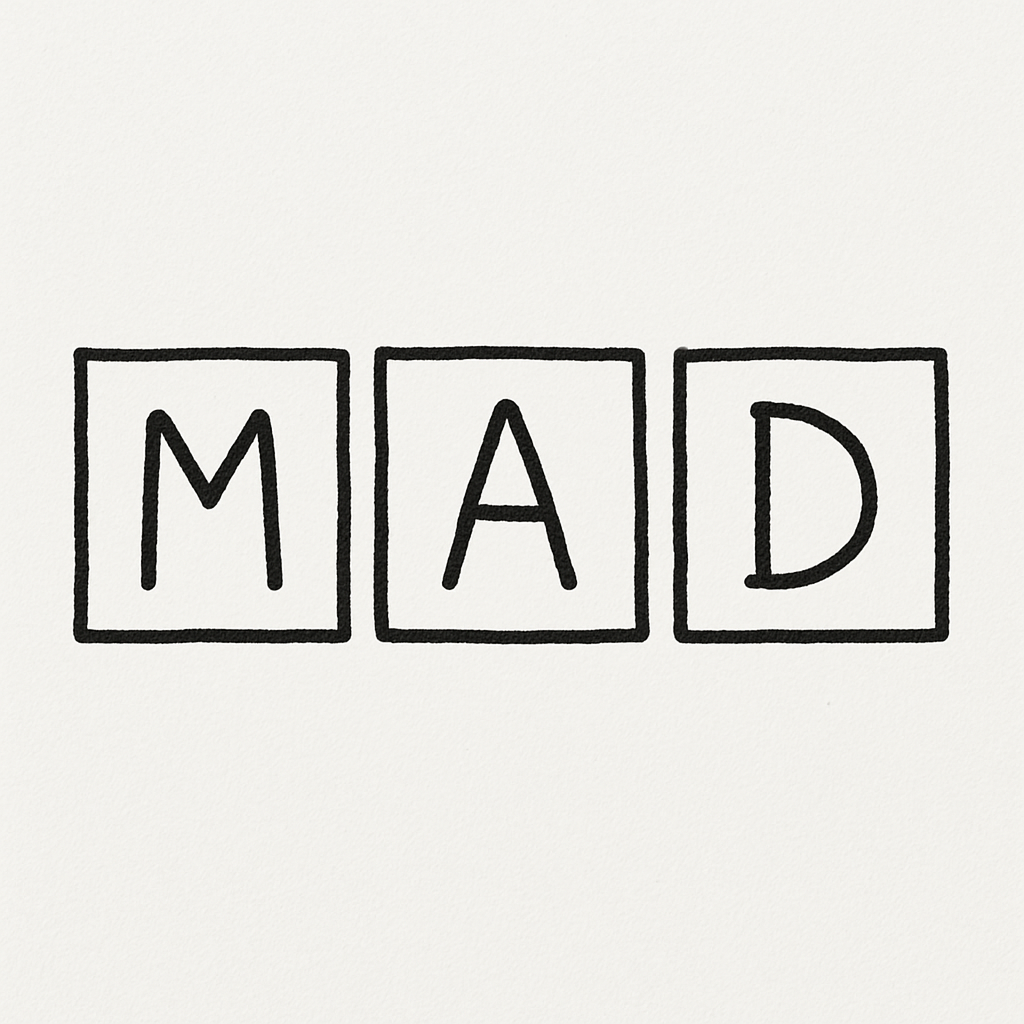
The best tool for this visual-auditory connection is a simple drawing called a “sound house” or sound box. Giving each sound its own physical space on paper helps permanently attach the spoken word to the written letters. Educators call this orthographic mapping for short vowel groups, but at the kitchen table, it simply means giving letters a concrete home so the brain remembers them.
To try this, draw three connected rooms and have your child place one letter in each box as they slowly say “mad.” Explain that in the “-ad” family, “a” and “d” are permanent roommates occupying the final spaces. When swapping the front “m” for an “s” to build “sad,” these phonemic awareness exercises for early readers transform into engaging, hands-on puzzles.
Visual compartments fundamentally change how beginners look at text. Instead of guessing based on first letters, their brain automatically spots the familiar “-ad” chunk, making reading feel effortless. Once this mapping process clicks, take these skills off the paper and into everyday life with interactive games.
I Spy the Sound: 3 Games for Phonemic Awareness
Before a child can read a word on paper, they need to catch its hidden sounds in the air. Tuning this “listening ear” teaches them to hear individual sounds inside words. You don’t need workbooks or screens to build this skill; you just need a few spare minutes in the car or at the dinner table. Simple phonemic awareness exercises for early readers rely entirely on speaking and listening, making them a stress-free way to practice anywhere.
To turn everyday routines into learning moments, try using interactive games for learning word chunks. Here are three quick favorites you can play today:
- Sound Matching: Say two words (like “dad” and “sad”) and ask, “Do these sound the exact same at the end?”
- The Rhyme Hunt: Challenge your child to find or think of something that rhymes with “pad.”
- Word Family I Spy: Say, “I spy with my little eye, someone who looks a little… m-a-d” (stretch out the sounds for them to guess).
Play-based learning takes the pressure off beginning readers. When a child isn’t staring at a challenging book, reading anxiety fades, leaving room for curiosity. By mastering these auditory puzzles, their brain is fully prepared to handle written letters, showing them how sounds visually connect on paper.
Climbing the Word Ladder: One Letter at a Time
Once a child hears rhyming sounds in the air, it is time to show them how those sounds look visually. One of the best benefits of using word ladders in literacy is showing beginners they do not have to start from scratch. By keeping the “-ad” ending entirely unchanged, a single sound chunk unlocks multiple words at once.
The logic works just like a staircase where only one piece changes. Write the word “sad” for your child to read. Next, erase the “s” and write an “m” to build “mad,” then swap it for a “p” to make “pad.” When educators create structured literacy lesson plans for phonograms—the teaching term for these familiar sound blocks—they rely heavily on this swapping technique to prove that reading has predictable rules.
This focused practice serves a vital purpose: building automaticity. This is the stage where a child reads instantly without overthinking. Instead of seeing “B-A-D” as three separate puzzles, their brain recognizes the familiar “-ad” block and simply slides the first sound right into it. You will quickly notice hesitation fading as their reading speed naturally improves.
Reaching this effortless recognition transforms reading from a chore into a rewarding experience. Because they stop spending mental energy decoding isolated letters, they finally have the brainpower to understand meaning. Once they climb these steps confidently, they are ready to transition to decodable sentences.
From Words to Stories: Using Decodable Sentences
Mastering a list of rhyming words is a fantastic milestone, but the ultimate goal of reading is comprehension. Once your child easily recognizes single “-ad” words, they are ready for mini-stories. Utilizing decodable text strategies for beginning learners simply means giving children sentences made entirely of words they already have the tools to read. Limiting the vocabulary to familiar “-ad” words and a few basic sight words removes the frustration of unpredictable sounds.
Expensive libraries are not necessary; you can easily create custom, at-home reading materials that guarantee success. Grab a marker and write out a few short scenarios. Here are five examples to try:
- The lad is sad.
- Dad is mad.
- The pad is bad.
- Dad had a pad.
- Is the sad lad bad?
Why are these simple sentences so powerful? They are the secret to building reading stamina. When a new reader finishes a whole sentence independently, they experience an instant confidence boost. Educators writing structured literacy lesson plans for phonograms rely on this exact progression to provide quick wins. It proves to the child that reading a full thought is achievable without exhausting their brain.
Seeing their face light up when reading an entire story changes how they view literacy entirely. They realize that letters simply share a message. Once they comfortably navigate these short sentences, they will have the solid foundation required to introduce larger blends.
Beyond Three Letters: Introducing the ‘gl-‘ Blend in ‘Glad’
Watching your child decode three-letter words is a proud milestone. Once they master “dad” and “sad,” it is time to introduce a four-letter word: “glad.” An extra letter might look intimidating initially, but the familiar “-ad” ending has not changed. They are simply starting the word differently while relying on the exact same anchor.
To read “glad,” your child needs to learn a consonant blend—just two letter sounds sliding closely together. Think of the “g” and “l” as friends holding hands; they keep their distinct sounds but travel as a pair. By sliding these initial sounds into familiar examples of short a rime patterns like “-ad,” children expand their vocabulary without memorizing new rules. The word transforms from a scary four-piece puzzle into a manageable two-piece puzzle: “gl” and “ad.”
At the kitchen table, practicing this technique is remarkably straightforward. Have your child make the “g” sound, then the “l” sound, pushing them together faster until they smoothly say “gl.” Next, ask them to attach that blend directly to the “-ad” chunk. This smooth transition to larger chunks is highly effective for improving reading fluency with word patterns.
That successful attempt at a longer word proves to a young reader that they can tackle bigger challenges. They are actively deciphering complex letter combinations using their previously built foundation. Now that they understand how to manipulate both simple and blended sounds, you can structure this practice into a daily routine.
Your 7-Day Plan for ‘-ad’ Family Mastery
Your child no longer has to stare at the letters M-A-D as three disconnected puzzles. By treating the “-ad” sound as a sturdy Lego brick, they can now swap out the front letter to instantly build new words. This shift from guessing individual letters to recognizing familiar rhyming groups bridges the gap to reading fluency.
Remember, the goal is pattern recognition, not stressful memorization. When you focus on teaching CVC words with ad endings through daily play, learning feels like a game. Follow this simple weekly plan to map out your phonics activities for short a sound practice:
- Day 1: Hear it. Exaggerate the “-ad” sound in everyday spoken words.
- Day 2: Build it. Use letter magnets to swap front letters on the “-ad” base.
- Day 3: Write it. Trace family words in sand, shaving cream, or on paper.
- Day 4: Spot it. Hunt for “-ad” words together in their favorite picture books.
- Day 5: Read it. Practice reading simple sentences (like “Dad is not mad”).
- Day 6: Play it. Match written words to simple drawings or physical objects.
- Day 7: Celebrate it. Review their favorite new words to build pride.
Try this tonight: Start with a simple action to see immediate results. Ask your child, “What rhymes with Dad?” If they get stuck, gently offer a clue like, “When I feel grumpy, I feel m…” This quick, playful prompt takes less than a minute and instantly clicks the pattern into place.
Each time you help them connect a new letter to that familiar “-ad” brick, you give them a shortcut to literacy. You have the tools to guide them, and as they realize they can suddenly read ten words instead of just one, their confidence will soar. You are showing them that reading is a puzzle they already know how to solve.