
Understanding Vowel Digraphs and Diphthongs
Have you ever wondered why “boat” and “boy” feel so entirely different to say, even though they both start with the exact same two letters? We all learn early on that A, E, I, O, and U are vowels, but we rarely discuss how that word actually describes two different things: a letter you see on a page and a sound you hear out loud. English has a secret way of grouping these sounds that most of us use daily without realizing it.
In practice, educators note that the frustration many learners face comes from confusing what our eyes see with what our mouths do. To solve this puzzle, it helps to think of English pronunciation as a mix of visual rules and physical movements. Sometimes, vowels work as a visual pair, while other times, they create a moving target for your jaw.
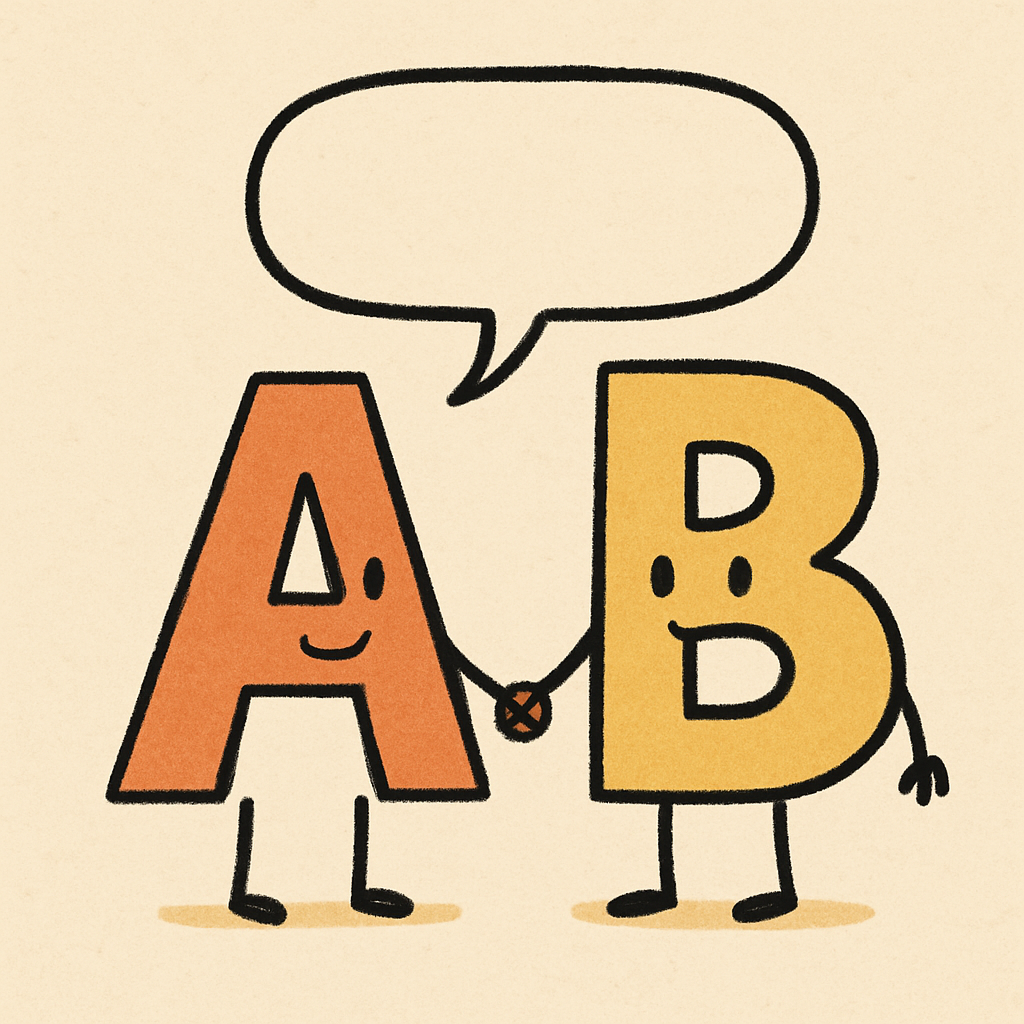
Mastering this distinction comes down to a simple “Team versus Journey” mental model. A vowel digraph acts like a loyal team—two written letters working together to make one steady, unchanging sound, just like the “oa” in “boat.” Conversely, a diphthong is an auditory journey where a single sound starts in one place and physically travels to another, creating a distinct gliding sound.
Put your hand on your jaw right now and say “boy” out loud; you will actually feel your chin drop and rise as you make that slide. By recognizing this physical sensation, distinguishing a vowel digraph vs diphthong transforms into a highly predictable pattern of vowel teams and glides.
Meet the ‘Vowel Team’: Why Digraphs Stick to One Sound
You have probably heard the old saying: “When two vowels go walking, the first one does the talking.” While traditional phonics rules for two vowels walking aren’t always completely perfect, they do a great job describing the visual concept of vowel teams, also known as vowel digraphs. These are simply two written letters that partner up on the page to produce one single, steady sound.
To test if a word uses one of these teams, rely on your physical senses rather than your eyes. Say the word aloud and pay attention to your jaw; if your lips lock into a single, unmoving shape for the entire vowel, you are making a steady-state sound. Try saying the word “bee” and notice how your smile stays completely frozen from start to finish.
This locked-in mouth shape happens frequently in everyday spelling. Here are five classic examples of these steady partnerships:
- AI: Rain
- EA: Leaf
- EE: Seed
- OA: Boat
- OO: Moon
The Sound Journey: Identifying Diphthongs by How They Feel
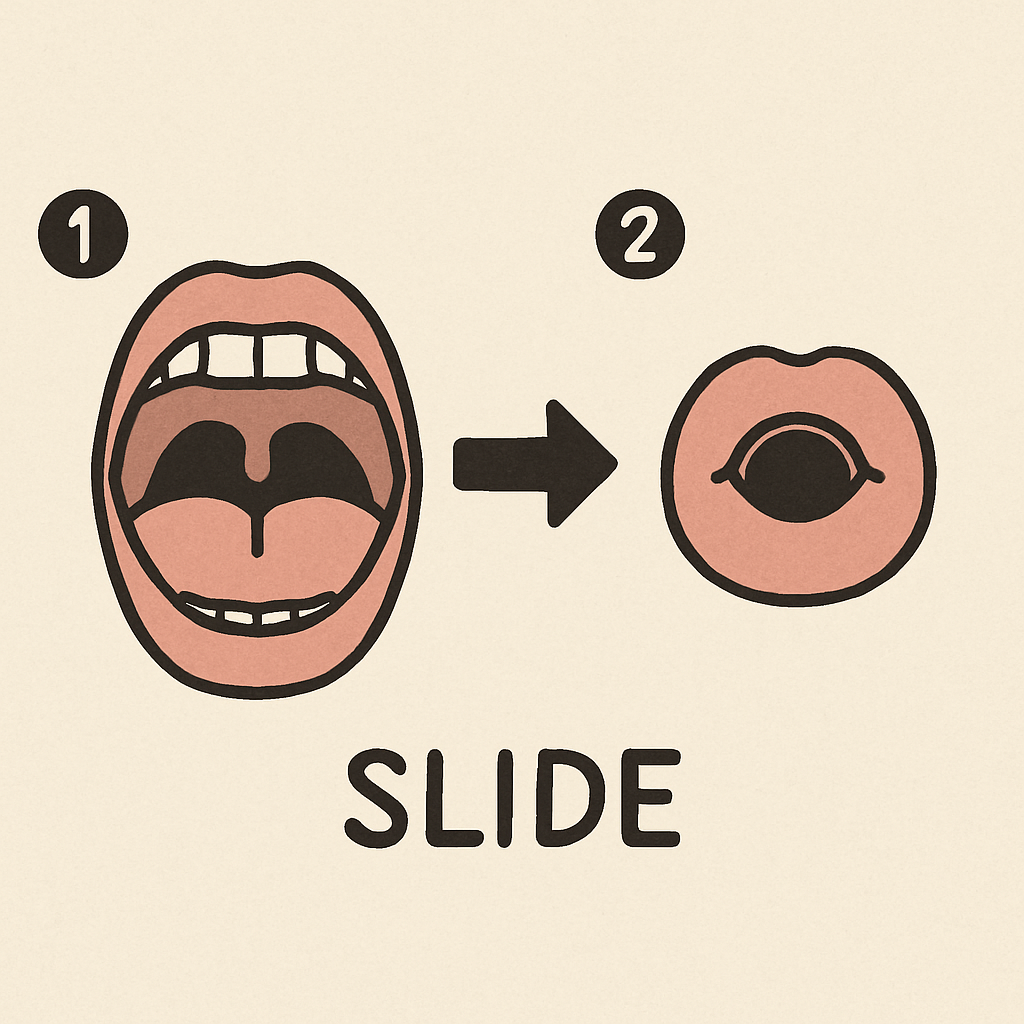
Unlike the frozen smile of a steady vowel team, some sounds refuse to sit still. When you speak a diphthong, your mouth actually takes a journey. Experts in articulatory phonetics—the study of how our physical speech organs move—call this a “glide.” Instead of locking into a single shape, your lips and tongue start in one place and smoothly slide to another to finish the sound.
Learning how to identify sliding vowel sounds requires feeling that physical shift in your jaw. To grasp diphthong vs monophthong phonetics without needing a linguistics textbook, simply contrast this “sliding sound” with the single, “steady sound” we discussed earlier. You do not need to analyze the spelling to know which one is happening; just pay attention to your chin. If your mouth changes shape mid-vowel, you have successfully found a glide.
Place your hand under your jaw right now and say the word “coin” out loud. Notice how your lips start round, but then your chin lifts and your mouth pulls back to finish the sound. That physical travel is the hallmark of a diphthong.
The Mirror Test: A 5-Second Way to Spot a Slide
When explaining a spelling rule to a child, we often realize we aren’t sure how to make the sound ourselves. Because our brains process speech automatically, we frequently need visual aids for learning vowel combinations to actually see our words in action. The most reliable way to tell a steady digraph from a sliding diphthong is to simply watch your own face.
Grab a mirror or your phone’s front-facing camera to try this physical assessment:
- Pick your words: Choose a steady word like “boat” and a sliding word like “boy.”
- Watch your jaw: Speak each word slowly, actively exaggerating the middle sounds.
- Check for travel: If your mouth stays frozen in one shape, it is a steady digraph; if your lips visibly shift or your chin drops, it is a sliding diphthong.
Turning this mirror check into daily blending exercises for phonics mastery builds lasting confidence by taking the guesswork out of pronunciation.
Decoding the ‘Two Vowels Walking’ Rule (And When It Fails)
If you are teaching vowel teams to elementary students, you have likely used the classic rhyme: “When two vowels go walking, the first one does the talking.” It is a catchy mnemonic that feels like a magic key for steady words like rain or boat, making it an excellent starting point for early readers.
However, treating phonics rules for two vowels walking as unbreakable laws will eventually lead to frustration. English is famous for exceptions. As you build strategies for decoding unfamiliar words, it helps to recognize common “rule-breakers” where the vowels refuse to follow the script:
- Bread: The ‘e’ makes a short sound instead of a long one.
- Chief: The second vowel (‘e’) speaks, not the first (‘i’).
- Break: The ‘a’ takes over, ignoring the first vowel entirely.
Beyond these rebellious digraphs, the “walking” rule completely falls apart when you encounter a diphthong. Because a diphthong is a physical, sliding journey between sounds rather than a single steady voice, neither letter gets to do all the talking. They share the auditory workload instead, which perfectly explains why ‘OU’ and ‘OW’ are the shape-shifters of phonics.
Why ‘OU’ and ‘OW’ Are the Shape-Shifters of Phonics
The letters “OU” often seem to have a mind of their own. When we look at words on a page, our brains naturally want a single letter pair to make a single, predictable noise. But to truly master spelling and reading, we have to separate what our eyes see from what our ears hear.
Take a word like soup. When you say it out loud, your lips push forward and stay perfectly still. The “OU” here operates as a traditional vowel team, delivering a single, steady note. This highlights the confusing overlap of a vowel digraph vs diphthong, where the visual spelling remains exactly the same, but the physical mouth movement changes entirely based on the word.
Now try saying the word loud and pay close attention to your jaw. You can actually feel your chin drop as your mouth glides from an open shape into a rounded one. Instead of a flat note, these letters are now working together to create a traveling sound. Looking at examples of complex vowel sounds in english reveals that “OU” and “OW” are brilliant shape-shifters.
Recognizing this dual personality is the key to conquering frustrating spelling lists. While “OU” is always just two written letters on the page, the way it translates into spoken phonemes in common vowel patterns requires immense flexibility.
Bridging the Gap: How to Map Sounds to Letters
Watching a child effortlessly spell a tricky word reveals the magic of long-term memory. Our brains don’t memorize whole pictures; instead, they act like electricians wiring spoken sounds directly to written letters. This matching process—technically called grapheme-phoneme correspondence—is what transforms a sliding sound like “oy” into the written letters “OI”. Helping learners make this specific connection builds a permanent mental bridge between their ears and their eyes.
Turning this invisible brain process into hands-on phonemic awareness activities makes it incredibly practical. Try this four-step “Map it, Tap it, Zap it” exercise using a word like coin:
- Hear it: Say the word aloud, feeling your jaw move as the diphthong slides.
- Tap it: Tap one finger for each distinct sound you hear (c – oi – n).
- Map it: Push a blank tile or block forward for each tapped sound.
- Zap it: Write the matching letters on each tile to secure the visual connection.
Applying this kind of orthographic mapping for vowel combinations is the ultimate shortcut to improving spelling speed. By matching how a sound physically feels to what its letter team looks like, learners stop guessing entirely and start trusting their own mouths.
Beyond the Basics: Dealing with R-Controlled Vowels
Just when standard spelling rules start making sense, the letter ‘R’ sneaks in and breaks them. This troublemaker is affectionately known as the “Bossy R.” When an ‘R’ follows a vowel, it completely takes over, blending the letters into a distinct sound that isn’t a steady vowel or a sliding diphthong. Try saying cat, and then immediately say car. Notice how your tongue pulls back and your jaw drops? The initial vowel just surrendered to the ‘R’. To see this in action, here is a list of common r-controlled vowels and digraphs showing this phonetic takeover:
- AR (Car): Instead of a flat ‘A’ sound, it creates a deep, open roar.
- OR (Fork): The ‘O’ is hijacked into a rounded, continuous hum.
- ER, IR, UR (Her, Bird, Fur): Unlike standard teams, all three of these combinations make the exact same engine-like “er” sound!
Grouping these rebellious letters changes everything for frustrated readers. When teaching vowel teams, separating out these “Bossy R” exceptions stops learners from applying normal phonics rules where they simply don’t fit.
3 Simple Games to Help Kids (and Adults) Master Vowel Teams
Turning tricky spelling rules into fun challenges makes them stick. Instead of relying on rote flashcards, physical and visual games build phonemic awareness in 10 minutes a day. Whether you are a parent at the kitchen table or seeking fresh phonemic awareness activities for reading teachers, these low-prep options make spotting steady versus sliding sounds effortless:
- The Sliding Jaw Race: Hold a hand under the chin while speaking. If the jaw drops and shifts (a diphthong like “coin”), take a step forward. If it remains steady (a digraph like “boat”), stay put.
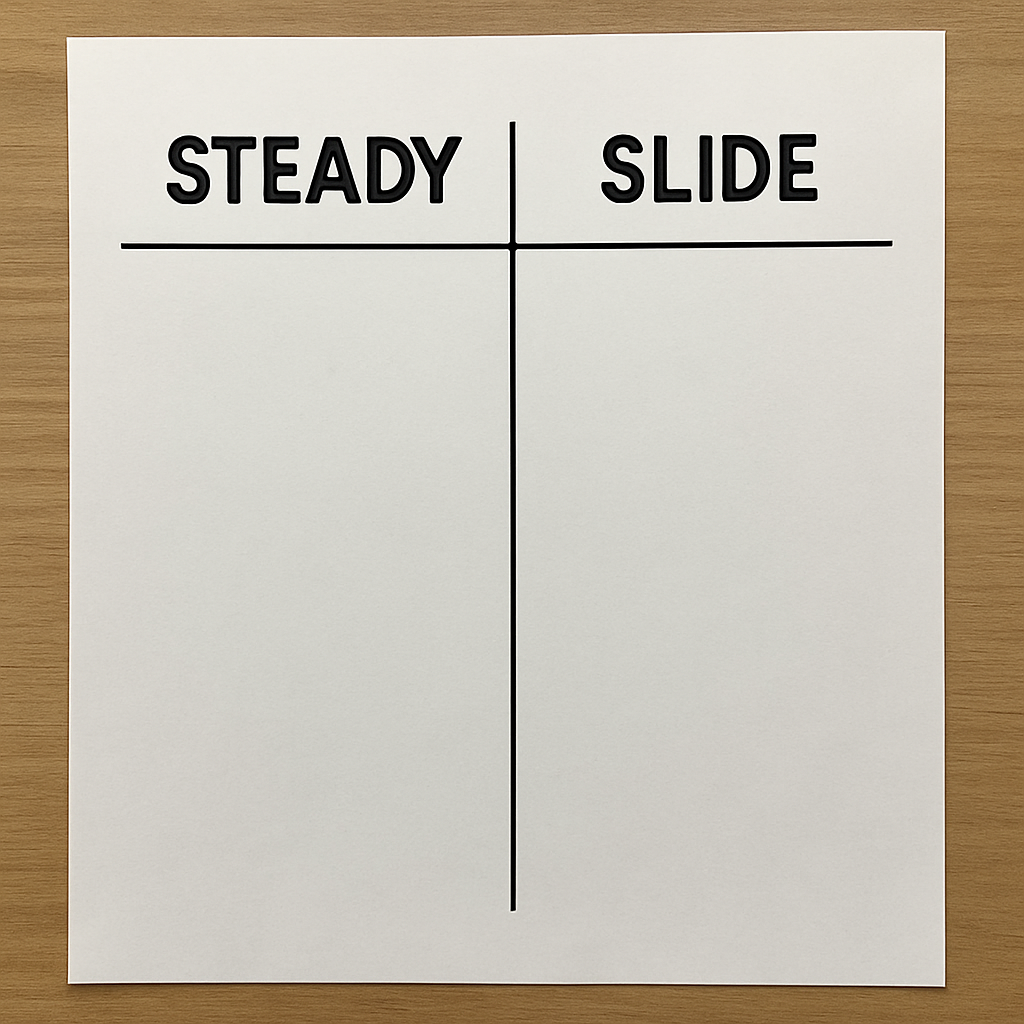
- Vowel Sort: Race to categorize word cards onto a simple mat based purely on how the mouth feels.
- Word Mapping Bingo: Use tokens to mark distinct sounds on a grid, creating perfect blending exercises for phonics mastery.
Visual tools like the sorting mat shown below instantly turn abstract rules into concrete physical evidence. By linking written letters directly to literal mouth movements, the classic confusion between spelling rules and spoken sounds completely disappears.
Making phonics tactile gives learners a foolproof “cheat code” they can use anywhere without relying on endless memorization.
Your Action Plan for Better Reading and Pronunciation
You no longer have to guess why certain letters behave the way they do. By understanding the difference between a vowel digraph vs diphthong, you now have reliable strategies for decoding unfamiliar words. Next time you or your child encounter a tricky sound, use this quick checklist:
- Look: Spot the visual team. Are two letters working together on the page?
- Say: Speak the word naturally. Is the sound steady, or does it slide?
- Feel: Touch your jaw. Stillness means a digraph; movement means a diphthong.
English spelling often feels unpredictable, but it becomes beautifully logical once you recognize these physical rules. Distinguishing a steady visual team from a sliding auditory journey gives you the confidence to conquer any vocabulary. Apply this physical test during your next reading session, and watch those once-frustrating words finally make sense!