
Best CVC words for kindergarten and how to teach CVC blending
Welcome to the magical milestone of early reading! Watching a child sound out their very first word is an incredible experience for any parent or educator. However, the leap from knowing isolated letter sounds to reading complete words doesn’t happen by accident. It requires explicit instruction, patience, and the right tools.
If you are looking for a comprehensive guide on CVC words for kindergarten: best word lists and how to teach CVC blending, you have come to the right place. In this guide, we will break down exactly how to transition young learners from the alphabet to confident reading.
What Are CVC Words and Why Are They Important?
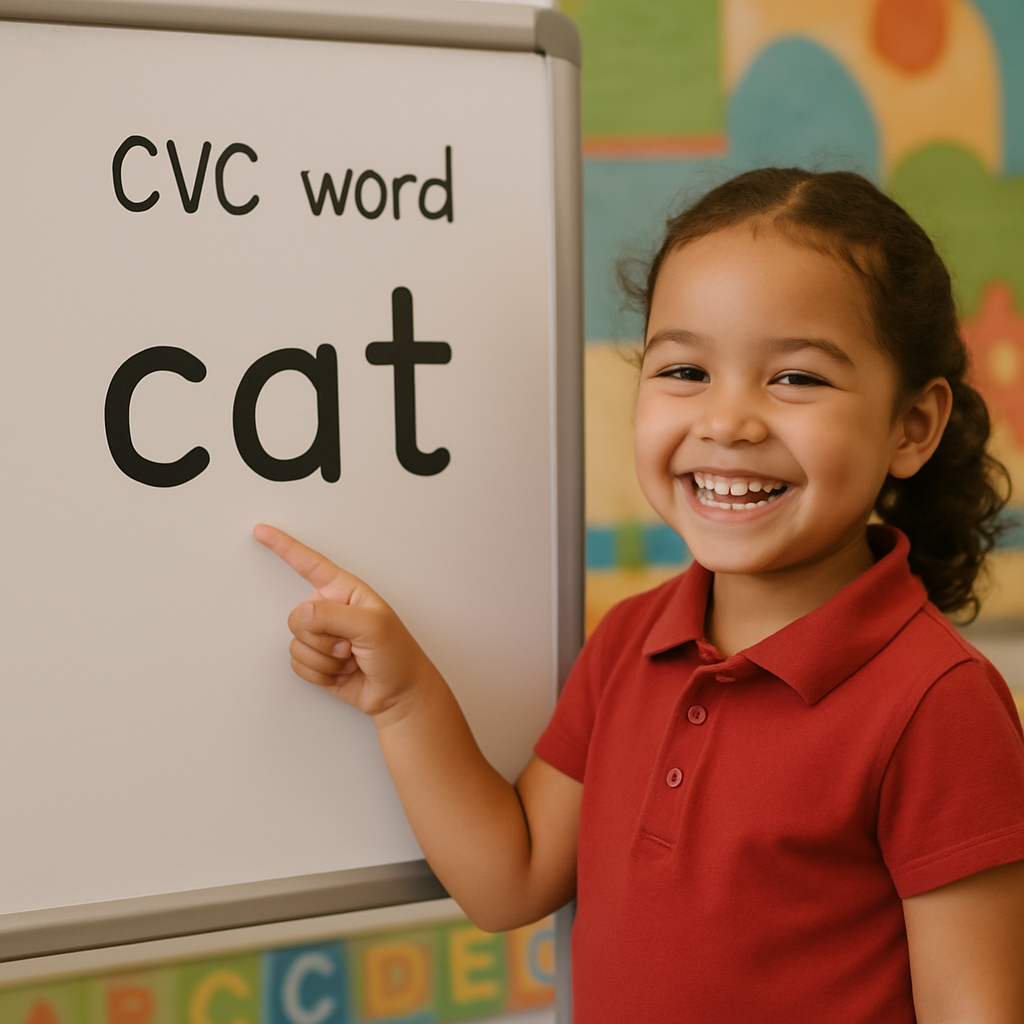
Before diving into instruction, let’s define the basics. CVC words stand for Consonant-Vowel-Consonant words. These are simple, three-letter words where the vowel makes its short sound. Examples include cat, dog, pig, sun, and bed.
Because these words are entirely phonetic—meaning they follow predictable spelling and pronunciation rules—they are the perfect starting point for early readers. Mastering these simple words triggers a process called orthographic mapping for early literacy. This is how the brain permanently connects the sounds of spoken language to the letters on a page, allowing children to recognize words instantly by sight rather than sounding them out every single time.
What Are the Easiest CVC Words to Teach First?
A common question among educators and parents is: what are the easiest CVC words to teach first?
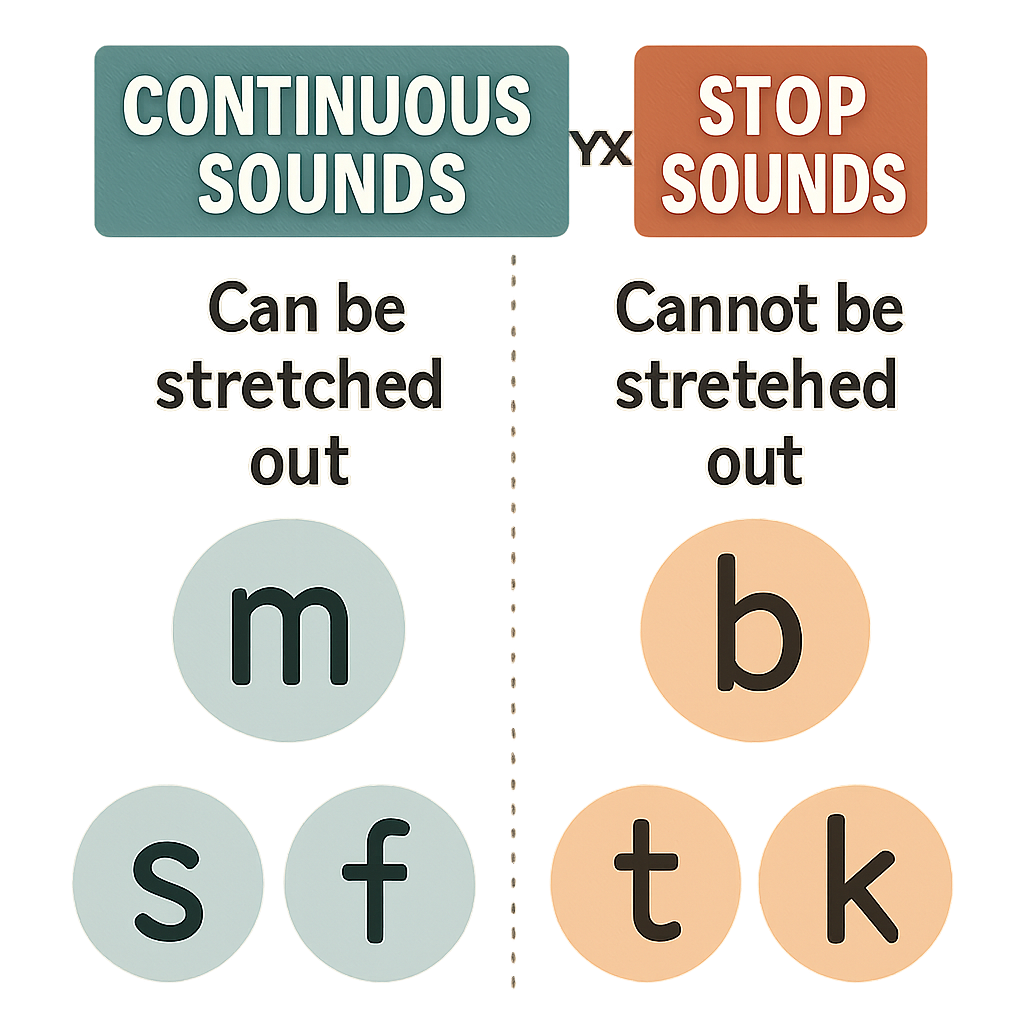
Not all CVC words are created equal. When introducing reading, it is highly recommended to start with words that begin with “continuous consonant sounds.” Continuous sounds are letters you can hold out without stopping your breath, such as M, S, F, L, R, and N.
Words like mat, sun, and fan are much easier for young children to blend than words starting with “stop sounds” like B, C, D, or T. Stretching the sound “mmmm-aaaa-t” smoothly is far easier for a beginner than trying to connect a clipped /b/ to an /a/ in bat.
The Best CVC Word Lists for Kindergarten
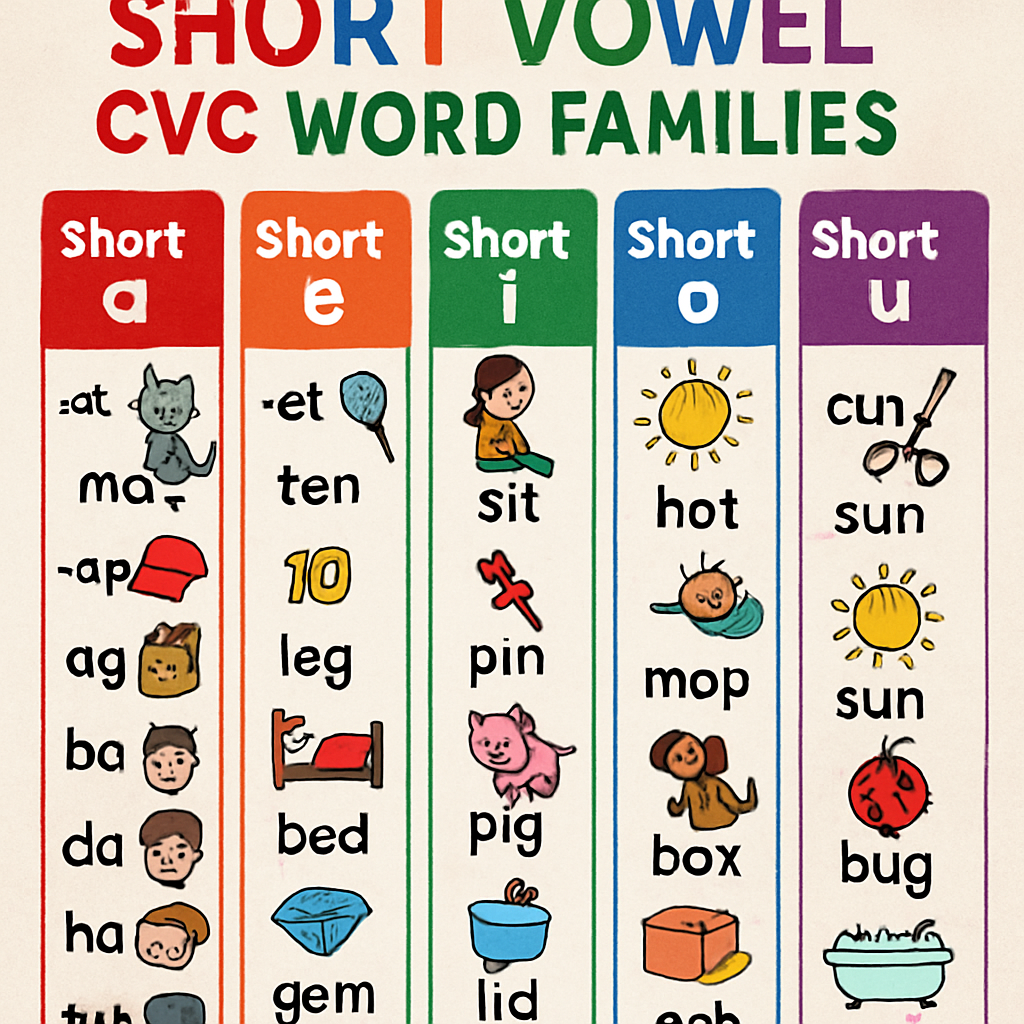
To make lesson planning easier, it helps to organize vocabulary by vowels and word families. Word families are groups of words that share the same ending sound, which helps young brains recognize patterns. Here are excellent word family lists for short vowels to use in your classroom or at home.
Short A Word Families
- -at family: cat, bat, fat, hat, mat, pat, rat, sat, vat
- -an family: can, fan, man, pan, ran, tan, van
- -ap family: cap, gap, lap, map, nap, tap, zap
- -am family: ham, jam, ram, yam
Short E Word Families
- -et family: bet, get, jet, let, met, net, pet, set, vet
- -en family: den, hen, men, pen, ten
- -ed family: bed, fed, led, red, wed
Short I Word Families
- -it family: bit, fit, hit, kit, lit, pit, sit
- -in family: bin, fin, pin, tin, win
- -ig family: big, dig, fig, jig, pig, rig, wig
- -ip family: dip, hip, lip, rip, sip, tip, zip
Short O Word Families
- -ot family: cot, dot, got, hot, lot, not, pot, rot
- -op family: cop, hop, mop, pop, top
- -og family: dog, fog, hog, jog, log
Short U Word Families
- -ug family: bug, dug, hug, jug, mug, pug, rug, tug
- -un family: bun, fun, nun, run, sun
- -ut family: but, cut, hut, nut, rut
How to Teach Blending Sounds for Beginners
Knowing the words is only half the battle. Moving from letter sounds to whole words is one of the biggest hurdles in kindergarten reading. Here is a proven progression for how to teach blending sounds for beginners.
1. Build a Foundation with Oral Play
Before introducing letters on a page, children need a strong ear for sounds. Introduce daily phonological awareness exercises for kindergarten. Practice oral blending by playing guessing games: “I am thinking of a /p/ /i/ /g/. What animal is that?” If they cannot blend sounds orally, they will struggle to blend them when looking at text.
2. Teach Continuous Blending (Smooth Blending)
When teaching segmenting and blending skills, many teachers accidentally teach “choppy blending.” A child sounds out /c/ … /a/ … /t/, pauses, and then randomly guesses “dog!” because they forgot the first sound.
Instead, teach continuous blending. Encourage the child to sing or stretch the sounds without stopping their breath: “caaaaat”. Keep the motor running between the letters.
3. Practice Successive Blending
If continuous blending is still too hard, try successive blending.
- Sound out the first two letters: /s/ /a/ -> sa.
- Then add the last letter: sa … /d/ -> sad. This drastically reduces the load on a child’s working memory.
A Step-by-Step Guide to Phoneme Manipulation
Once a child can read basic cvc words for kindergarten, you can level up their skills by teaching them how to swap out individual sounds. This is called phoneme manipulation.
Here is a simple step-by-step guide to phoneme manipulation:
- Start with the beginning sound: Have the child build the word mat. Ask, “If we take away the /m/ and add a /s/, what word do we have?” (sat).
- Move to the ending sound: Once they master the start of the word, change the end. “Change the /t/ in sat to a /p/.” (sap).
- Tackle the medial vowel (the hardest step): Finally, change the middle sound. “Change the /a/ in sap to an /i/.” (sip).
This exercise solidifies their phonemic awareness and proves they are truly reading, not just memorizing.

Engaging and Hands-On CVC Word Building Activities
Workbooks have their place, but young children learn best through play. Incorporating multisensory phonics teaching methods ensures that learning sticks. Here are a few ways to make reading fun:
- Playdough Smash: Have the child roll three balls of playdough. As they say each sound in a CVC word, they smash a playdough ball. Then, they slide their finger across the squished balls to blend the word together.
- Flashcard Hunts: Hide printable CVC word flashcards for kids around the room. Give the child a flyswatter, say a word out loud, and have them find and swat the correct word.
- Magnetic Letter Building: Provide a picture of a CVC word and give the child a pile of magnetic letters. Hands-on CVC word building activities like this help students physically manipulate language.
- Interactive Worksheets: When using cvc worksheets, look for ones that require coloring, cutting, pasting, or dabbing with bingo markers rather than just standard pencil tracing.
- Sensory Writing: Use short vowel phonics activities like writing words in a tray of colored sand, shaving cream, or rice. The tactile feedback helps cement letter-sound correspondence in the brain.
Next Steps: Moving from CVC to CVC vs CVCC Word Patterns
When children are confidently blending CVC words, it is time to move forward. The natural next step in phonics instruction is introducing consonant blends and digraphs, transitioning into CVC vs CVCC word patterns.
A CVCC word is a word that ends in two consonants, such as fast, jump, milk, or camp. You can demonstrate this transition by using the manipulation skills learned earlier: start with the CVC word cam, and ask them to add a /p/ at the end to make camp.
During this transition, focus on building reading fluency with decodable text. Decodable books contain only the phonics patterns the child has explicitly been taught. Unlike “leveled readers” that rely heavily on pictures and guessing, decodable texts force the child to keep their eyes on the words and practice genuine reading.
Strategies for Children Struggling to Blend Sounds
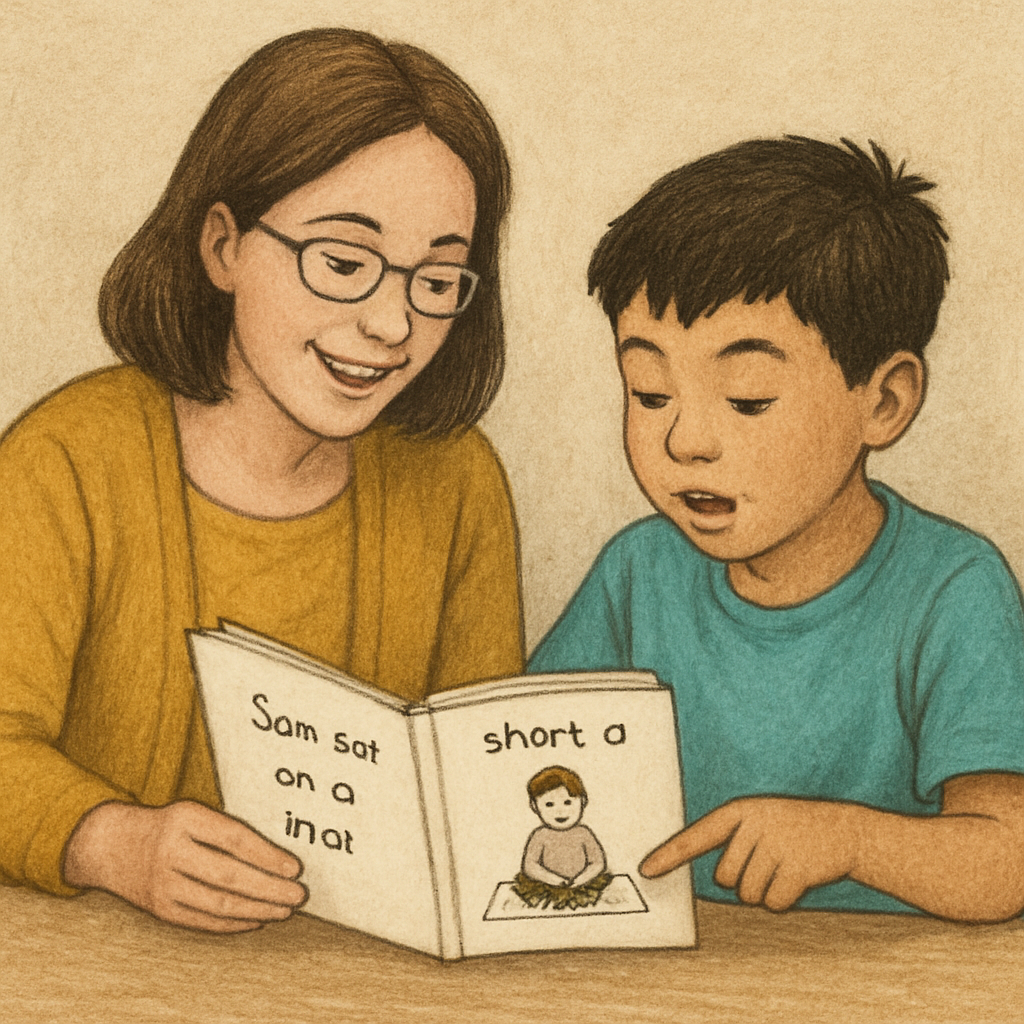
Every child learns at their own pace. If you have been working on these skills but your child is hitting a wall, do not panic. Here are some effective strategies for children struggling to blend sounds:
- Use Visual Cues: Draw a green dot under the first letter, a yellow dot under the middle, and a red dot under the last letter. This visually reminds them where to start and stop.
- Cover Letters: If looking at three letters is overwhelming, cover the last letter with a sticky note. Have them blend the first two letters, then reveal the final letter.
- Check Vowel Sounds: Often, blending issues stem from a weak grasp of short vowel sounds (especially differentiating between short E and short I). Spend an extra week practicing vowel sounds in isolation.
- Go Back to Oral Blending: If they are struggling with print, remove the letters temporarily. Practice blending entirely out loud until their phonemic awareness strengthens.
- Model the Process Daily: Children learn by watching. Point to words and sound them out aloud yourself while reading big books or writing on the board. Let them hear your thought process.
Conclusion
Teaching a kindergartener to read does not require magic; it requires a systematic approach, evidence-based practices, and plenty of playful repetition. By utilizing these word lists, practicing continuous blending, and leaning into hands-on, multisensory activities, you will set your young readers up for absolute success.
Remember to start with the easiest continuous sounds, incorporate engaging games, and have patience with the process. Before you know it, those isolated sounds will transform into blended words, sentences, and eventually, a lifelong love of reading.