ABC songs for early readers alphabet songs without confusing phonics rules
When you first introduce your little one to the world of reading, music is often the best bridge. Children naturally gravitate toward rhythm and melody, making songs a powerful educational tool. However, as any parent or educator quickly discovers, not all abc songs are created equal. If you are actively searching for ABC songs for early readers: alphabet songs without confusing phonics rules, you are already on the right track to building a frustration-free foundation for literacy.
Many modern educational tracks try to pack too much information into a two-minute tune, leaving toddlers overwhelmed. Let’s explore how to simplify early literacy, focusing on clear, joyful musical experiences that actually help your child learn.
The Great Debate: Letter Names vs Phonetic Sounds Songs
In early childhood education, there is an ongoing conversation about where to start: the name of the letter or the sound it makes? While phonics is undeniably crucial for reading, introducing it too early—or too aggressively through fast-paced music—can backfire.
Parents often wonder, why do phonics songs confuse young children? The answer lies in cognitive load. Early learners are just beginning to grasp the concept of abstract symbols. When a song introduces “A is for Apple, /a/ /a/ /a/” while flashing complex visuals and blending phonemes rapidly, it is simply too much data to process at once. This sensory overload frequently leads to disengagement.
Overcoming phonics fatigue in early literacy requires a strategic step back. By utilizing letter names vs phonetic sounds songs in the very beginning, you allow children to master the visual identity and name of each letter first. Once this baseline is established, they can confidently attach phonetic rules to a foundation they already understand.
Selecting the Right ABC Songs for Early Readers
To foster early literacy without the stress, the key is intentional selection. You want to curate a playlist of simple letter name songs for toddlers that prioritize clarity over complexity.
Avoiding the “Elemenopee” Trap
We all grew up with the traditional alphabet song, but it comes with a notorious flaw: the rushed middle section. To a toddler, “L-M-N-O-P” sounds like a single, chaotic letter called “elemenopee.”
To combat this, seek out classic L-M-N-O-P rhythm alternatives. These updated versions slow down the tempo during the middle of the alphabet, pausing distinctly between L, M, N, O, and P. Finding the best clear-pronunciation ABC tracks for beginners ensures that children can isolate and articulate each individual letter, preventing habits that are hard to unlearn later.
Prioritizing Catchy Melodies
Rote memorization is boring, but catchy melodies for letter recognition make learning feel like play. Look for preschool songs that feature:
- A steady, easily clappable beat.
- Repetitive, predictable musical phrasing.
- Vocals sung by children or adults with crisp, unaccented enunciation.
- A moderate tempo that allows a child to breathe and sing along.
These types of tracks make exceptional alphabet nursery rhymes for kindergarten classrooms as well, keeping large groups of children engaged without causing auditory confusion.
How to Teach Letter Sounds Without Confusion
Once your child can confidently identify and name the letters through simplified music, you will naturally want to progress. So, how to teach letter sounds without confusion? The secret is gradual integration.
When you do introduce phonics-based music, prioritize letter recognition without blended sounds. Many poorly produced phonics songs accidentally add a “schwa” sound to consonants (for example, pronouncing ‘B’ as “buh” or ‘C’ as “cuh”). This makes blending words incredibly difficult later on. Instead, look for resources that demonstrate pure, clipped phonetic sounds.
Singing the alphabet without phonics overload means taking it one step at a time. Instead of a song that covers all 26 letter sounds in one go, opt for tracks that focus on just vowels, or just a few consonants at a time.
Making it Stick: Teaching the Alphabet Through Music Basics
Teaching the alphabet through music basics isn’t just about pressing play on a smart speaker. It requires active participation. Here are some actionable ways to maximize the benefit of abc songs for early readers:
- Sing A Cappella: Sometimes, stripping away the backing track helps. Sing the alphabet slowly with your child, tapping your fingers for each letter.
- Pause and Wait: Play a familiar alphabet song and abruptly pause it. Encourage your child to fill in the missing letter before you hit play again.
- Incorporate Movement: Have your child stomp, jump, or clap to the beat. Physical movement anchors memory.
Enhancing the Experience with Multisensory Learning
To truly solidify early literacy, you must bridge the gap between what a child hears and what they see. Combining your carefully chosen songs with visual aids for preschool alphabet learning creates a highly effective environment.
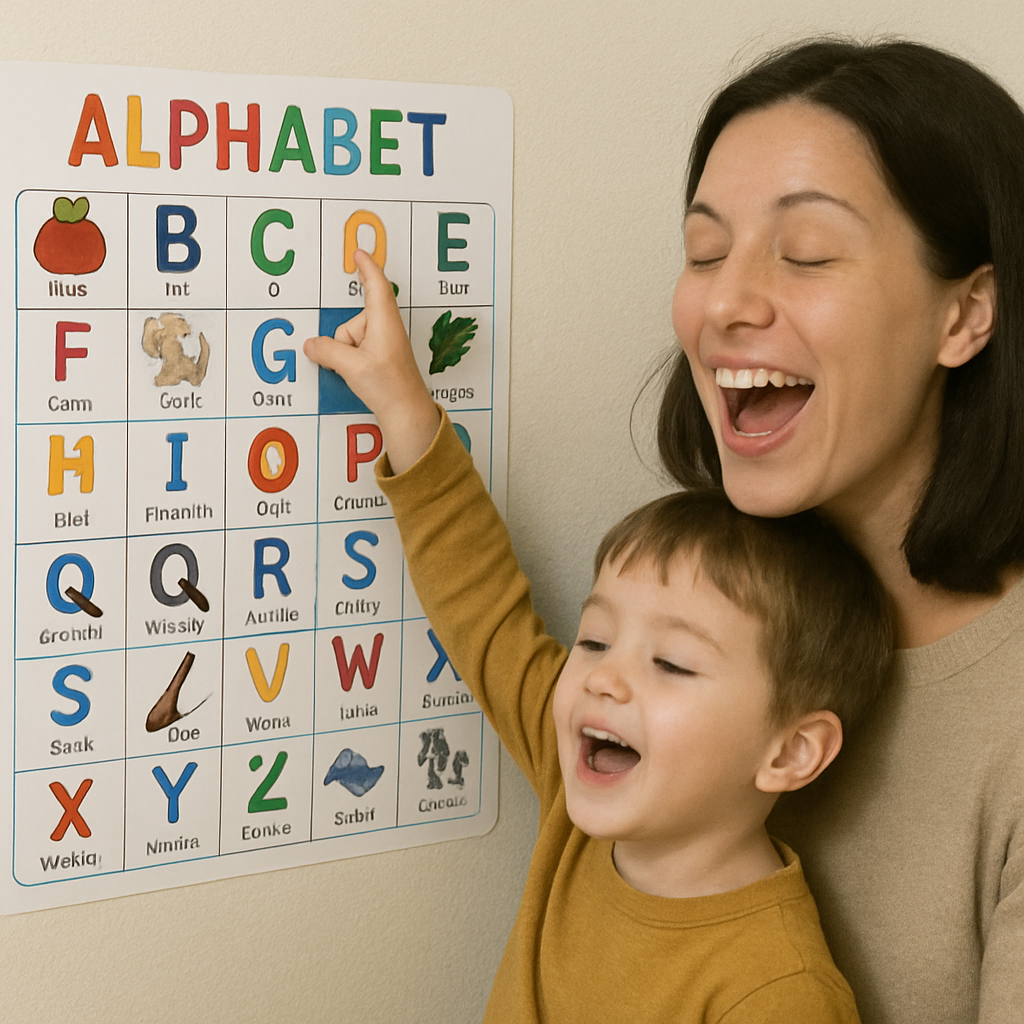
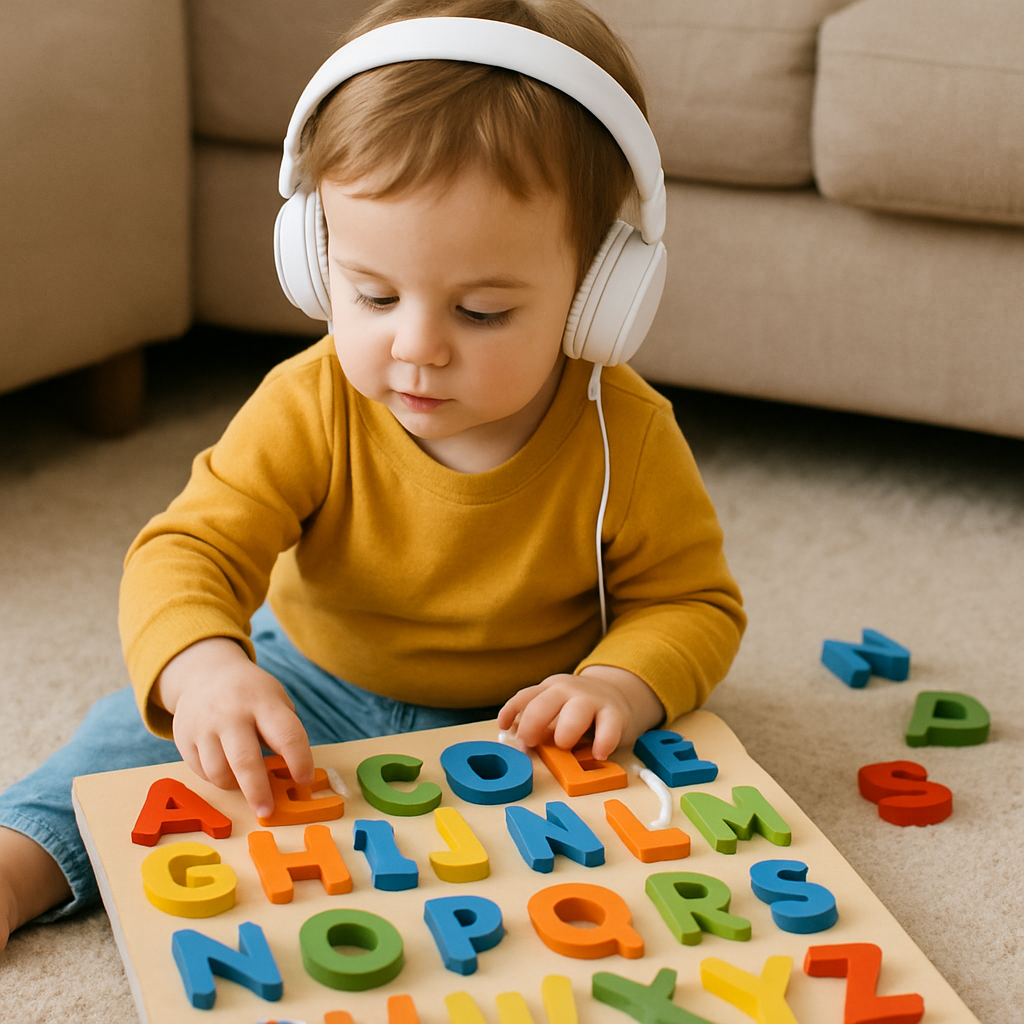
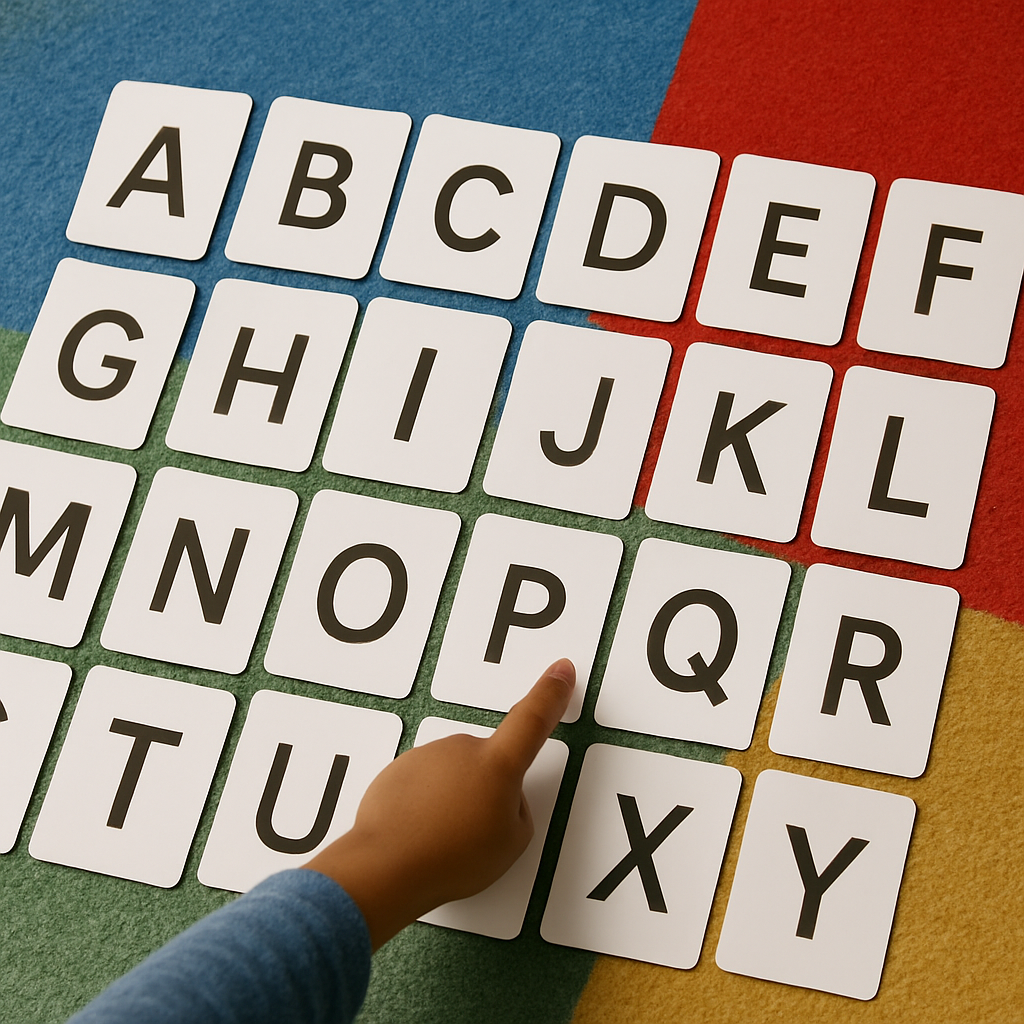
When you play a clear-pronunciation alphabet song, point to the corresponding letters on a wall chart or in a picture book. This facilitates multisensory learning for emergent readers, engaging their auditory, visual, and kinesthetic pathways simultaneously. If they are singing the letter “B,” let them trace a textured “B” with their finger.
Furthermore, you can seamlessly integrate phonological awareness strategies for toddlers while the music plays. Ask them to bounce to the syllables of their own name, or use rhythm sticks to tap out the letters of simple words. Music naturally develops a child’s ear for rhythm and sound manipulation—the exact skills required for eventual reading fluency.
The Takeaway
When guiding young minds toward reading, simpler is almost always better. By opting for ABC songs for early readers: alphabet songs without confusing phonics rules, you are protecting your child from unnecessary frustration. By focusing on simple letter names, utilizing steady rhythms that separate clustered letters, and combining these tunes with strong visual aids, you provide a joyful, confident start to their literacy journey. Save the complex phonics for later; for now, let them sing, point, and play their way to alphabet mastery.