
Engaging Interactive Phonics Games for Kids
The journey of learning to read is one of the most exciting and critical milestones for children. However, building a strong foundational reading skill takes time, patience, and plenty of engaging repetition. Today, educators and parents can explore phonics in entirely new ways thanks to modern technology. Utilizing interactive phonics games online has proven to be an exceptional way to capture children’s attention while solidifying their literacy foundation.
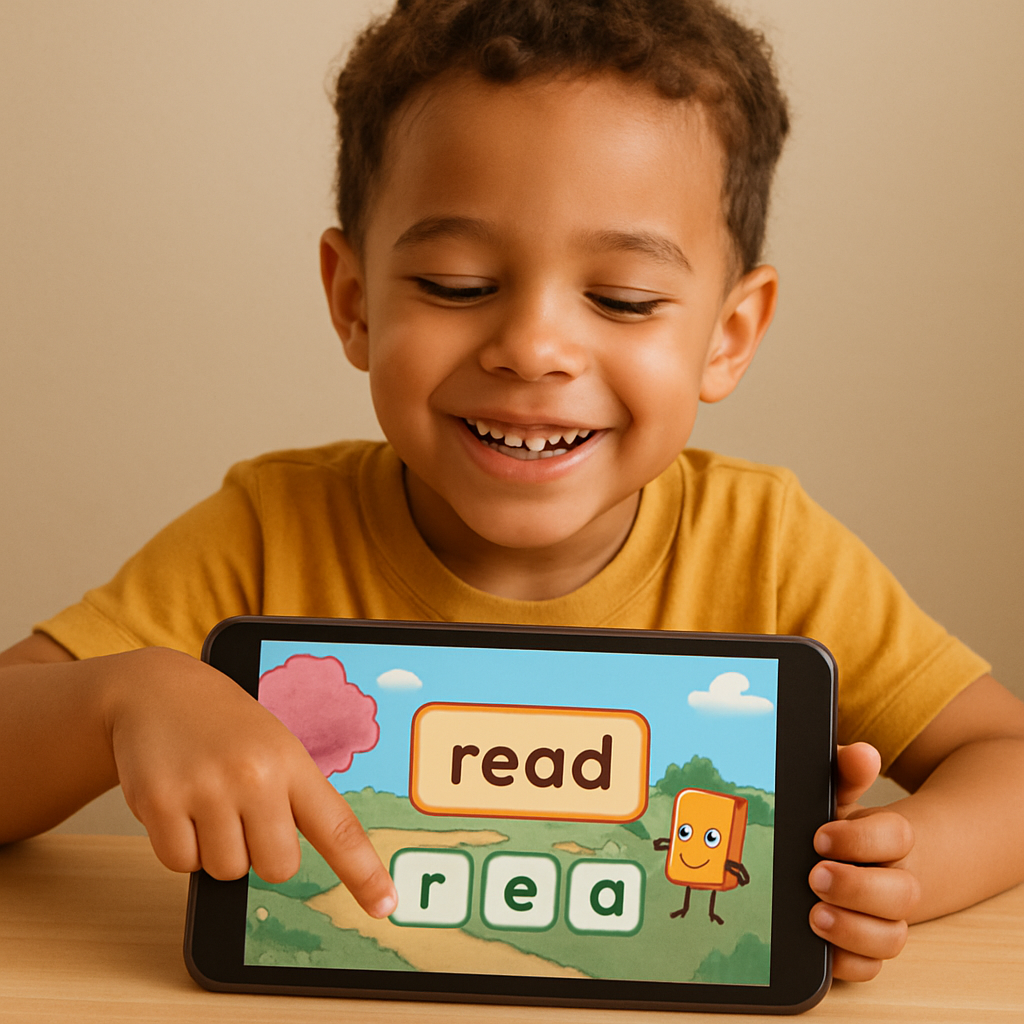
The Power of Play: Transforming Early Reading
Early reading development relies heavily on student engagement and confidence. One of the greatest challenges educators and parents face is engaging reluctant readers with gamified literacy. When children perceive learning as play, their motivation naturally skyrockets.
High-quality reading games for kids provide a safe, interactive environment where they can make mistakes and learn at their own pace. This creates a stress-free zone for building skills, effectively bridging phonics gaps with adaptive software that adjusts in real-time to match their unique learning curve and educational needs.
Developing Core Literacy Skills Digitally
Mastering Phonemic Awareness and Letter Sounds
Before a child can independently read the word on a page, they must understand that spoken words are made up of individual sounds. This crucial skill is known as phonemic awareness. Integrating digital phonological awareness activities into daily routines helps children playfully isolate, blend, and manipulate these sounds.
Using virtual letter sound recognition tools, kids can match spoken sounds to their corresponding visual symbols. This allows them to master basic letter sounds through continuous repetition, colorful animations, and interactive rewards that keep them coming back for more.
Blending Sounds and Recognizing Patterns
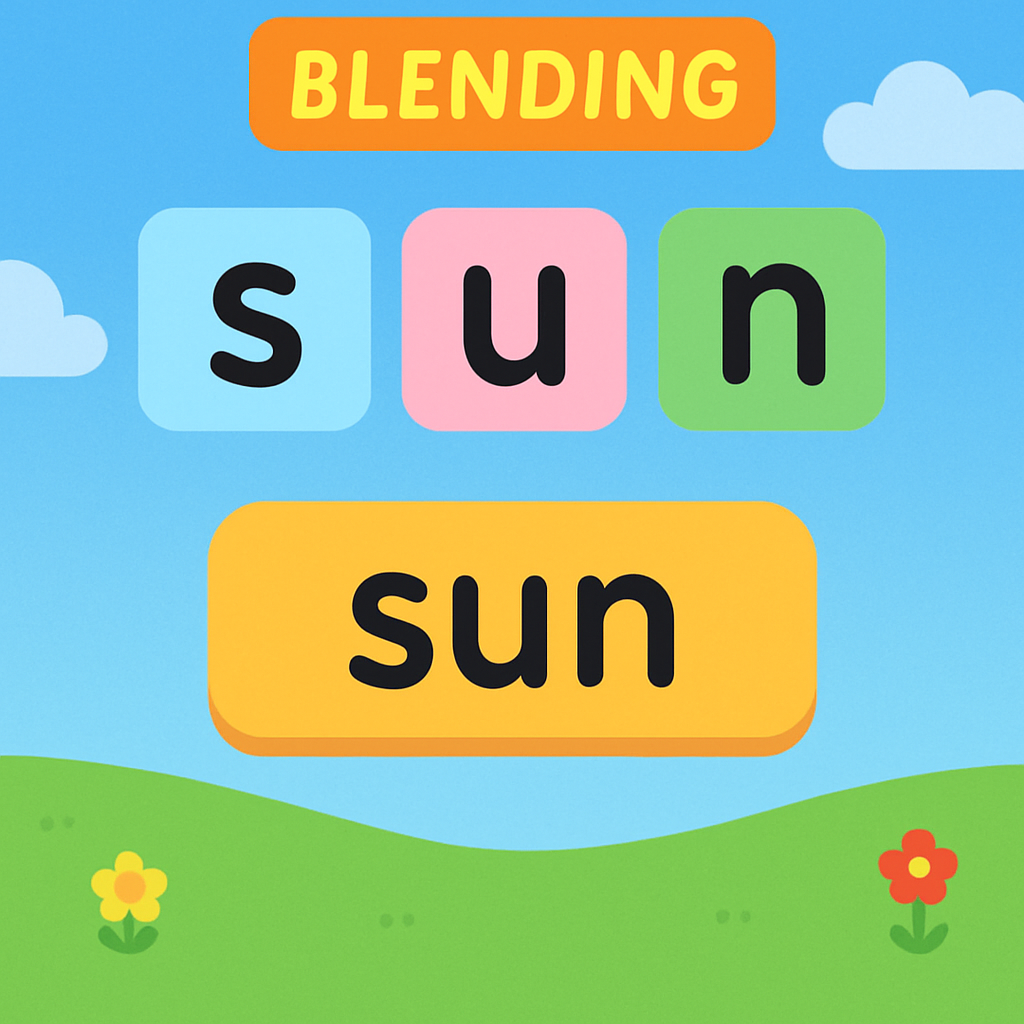
A common question from parents is how to teach blending sounds digitally. The key lies in finding platforms that visually model the process of bringing sounds together. For instance, when tackling vowel consonant (VC) patterns or more complex consonant blends (like “bl” or “st”), animated games can show letters physically bumping into each other to form a single blended sound.
For educators and parents looking for a step-by-step guide to teaching CVC words (Consonant-Vowel-Consonant) using digital tools, the process is incredibly streamlined online:
- Step 1: Tap the screen to identify the initial consonant sound (e.g., /c/).
- Step 2: Isolate and stretch the middle short vowel sound (e.g., /a/).
- Step 3: Add the final consonant sound (e.g., /t/).
- Step 4: Drag the letters together on-screen, blending them seamlessly to build instant word recognition (cat).
Tackling Vowels and Sight Words
As early readers progress, they inevitably encounter more challenging concepts, such as long vowel sounds. Differentiating between short vowels and long vowels requires focused, explicit practice. Digital games and activities often use memorable visual cues—like “magic E” characters or vowel teams—to help children internalize these spelling rules.
Alongside phonetic decoding, memorizing high-frequency sight words is a necessary step for developing reading fluency. The faster a child recognizes these tricky, rule-breaking words, the more cognitive energy they can devote to overall reading comprehension.
Modern Technology vs. Traditional Methods
Many educators wonder about the efficacy of multisensory reading apps vs traditional flashcards. While physical word cards absolutely have their place in a classroom or home study session, digital applications offer auditory feedback and animated visual context that static cards simply cannot provide.
Furthermore, parents often ask: are digital phonics tools effective for dyslexia? The answer is a resounding yes, provided they are thoughtfully designed. Modern platforms frequently integrate voice recognition technology in reading games, allowing the software to “listen” as a child speaks into a microphone. The program can then provide immediate, gentle correction and praise. This multi-sensory, auditory-visual approach is highly beneficial for neurodivergent learners who require multimodal instruction.
Aligning Tech with Evidence-Based Instruction
Not all screen time is created equal. To ensure maximum educational benefit, it is vital to select Science of Reading aligned digital resources. These platforms are deeply rooted in cognitive research, ensuring that the time a child spends on a device directly translates to meaningful literacy growth.
When evaluating software, look for programs that utilize systematic synthetic phonics instruction methods. This means the software introduces phonics rules in a logical, structured sequence—starting from the simplest sound-letter correlations and building up to complex graphemes—rather than relying on contextual guesswork.
Additionally, the best literacy apps include orthographic mapping exercises for kids. These specific exercises help permanently store words in a child’s long-term memory by forging strong neural connections between the pronunciation of words, the individual sounds they contain, and their specific letter sequences.
Setting Up for Success: Practical Tips
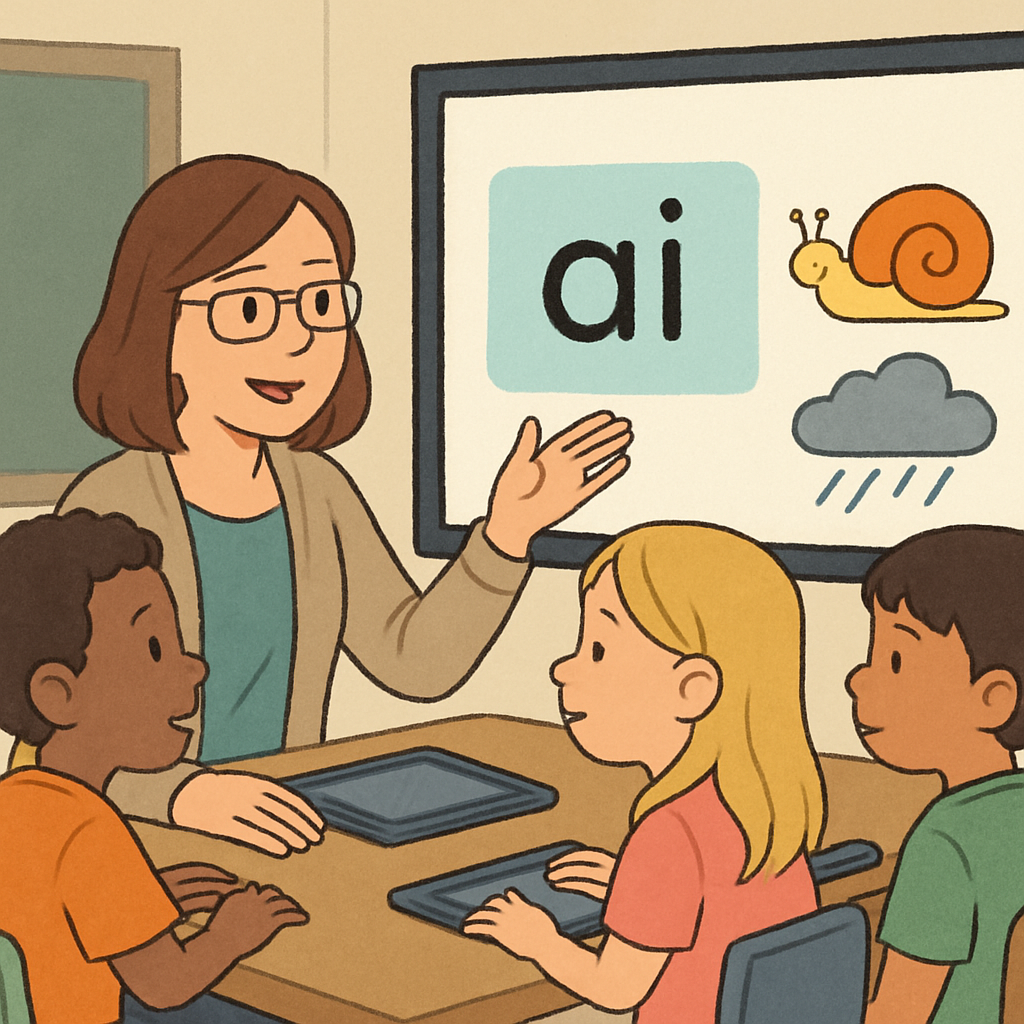
Integrating these interactive tools into a daily routine doesn’t have to be overwhelming. Whether you are a homeschooling parent or a busy classroom teacher, here are practical steps to get started:
- Create a Dedicated Space: Begin by setting up a virtual phonics station in your classroom or living room. Equip it with comfortable seating, a reliable tablet or computer, and a good pair of noise-canceling headphones. This setup is especially useful for managing small groups during classroom literacy centers, allowing some students to work independently while the teacher focuses on targeted instruction.
- Evaluate Your Options: Take the time to weigh the benefits of free vs paid literacy learning platforms. While free apps are fantastic for supplemental practice, paid subscriptions typically offer a more comprehensive, ad-free curriculum that follows a strict pedagogical progression.
- Monitor Growth: Choose software that offers comprehensive data and real-time progress tracking for early readers. Dashboard analytics allow adults to see exactly which letter combinations a child is struggling with, providing a roadmap for what to review during offline, face-to-face instruction.
- Encourage Daily Consistency: Consistency is the secret ingredient to literacy success. Having students practice reading on these platforms for just 15 to 20 minutes a day can yield significant, long-lasting improvements in their confidence and ability.
Conclusion
Building a confident, fluent reader is a multifaceted process that requires the right tools, strategies, and encouragement. By thoughtfully combining evidence-based instruction with the engaging elements of interactive phonics games online, we can create a joyful and highly effective learning environment. When children are empowered to play, explore, and interact dynamically with language, they don’t just learn the mechanics of reading—they learn to love the adventure of reading itself.