Understanding the Power of “A Words
The journey of mastering the English language begins at the very start of the alphabet. Whether you are an educator guiding a child who has just learned to read, a parent looking for early literacy strategies, or a professional aiming to refine your communication, understanding the utility of a words is essential. The first letter of our alphabet holds immense power, acting as a foundational building block for effective reading, writing, and speaking.

The Foundations of Reading: Phonics and the Letter A
Effective reading instruction always begins with strong phonemic awareness. Before young readers can confidently tackle complex sentences and paragraphs, they must learn how individual sounds blend together to create meaning. Developing a keen ear for a specific letter sound is the vital first step in this cognitive process.
For early learners, educators frequently rely on targeted preschool phonics activities for letter A. These might include interactive sensory bins, tracing exercises in sand, or sing-alongs that emphasize phonetic connections. When teachers design phonics lessons for initial vowel sounds, they typically start by having students isolate the sound at the very beginning of familiar, everyday objects.
Navigating Short and Long A Sounds
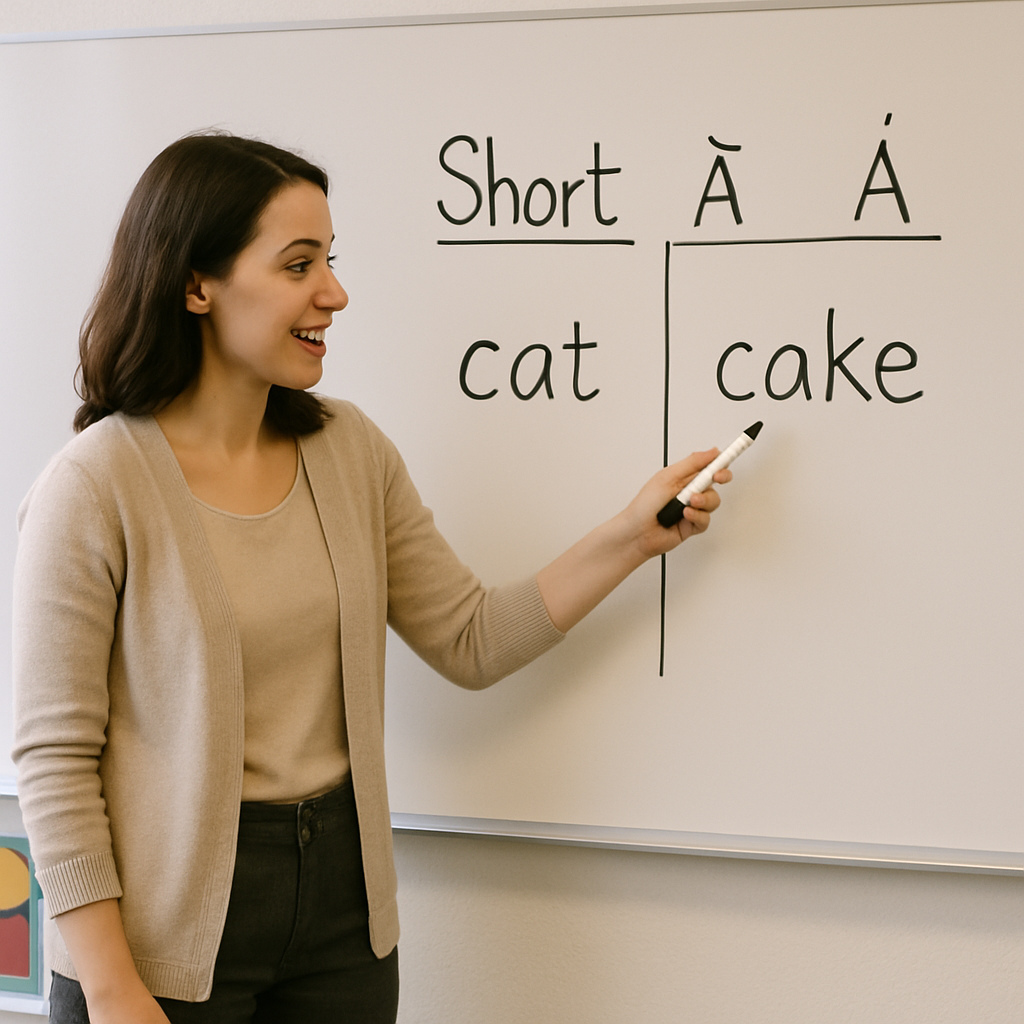
A major milestone in early literacy is grasping the difference between short A and long A sounds. The long A sounds exactly like the name of the letter itself—heard in words like ape, acorn, or alien.
Conversely, the short a sound requires a distinct mouth shape (a wider, more open jaw) and is heavily featured in early reading words like apple, ant, and alligator. Because this sound is so prevalent in basic English vocabulary, it is usually the first vowel sound children are taught to decode.
CVC Words and Closed Syllables
To effectively teach short vowel concepts, literacy experts utilize consonant vowel consonant structures, universally known as cvc words. Words such as cat, bat, map, and hat are prime examples. These foundational words rely on closed syllables—a syllable ending in a consonant—which naturally forces a short vowel sound.
By organizing these words into word families (such as the -at, -an, or -ap families), children learn to decode visual patterns rather than struggling to memorize words one by one. Providing comprehensive lists of short A words gives students the necessary materials to practice independently, building their reading confidence step by step.
Building Vocabulary: From Early Learners to Adult Communicators
As students progress through their education, their engagement with the alphabet matures. Teachers often utilize structured word lists to introduce new vocabulary systematically. For example, alphabetizing lists for elementary students is a classic, highly effective exercise that reinforces both dictionary navigation skills and alphabetical order.
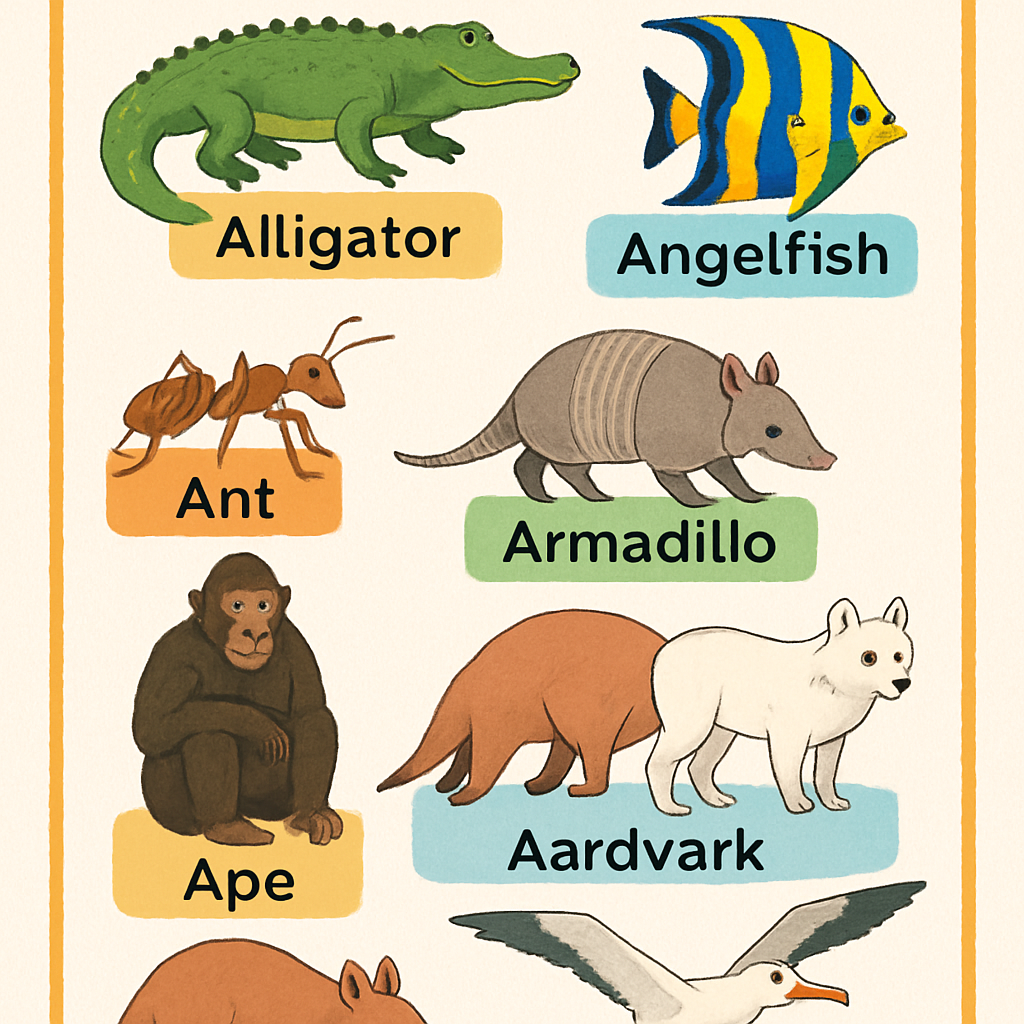
When exploring words that start with this foundational letter, creating distinct categories helps compartmentalize learning. You might introduce a fun list of animals beginning with letter A—such as aardvark, albatross, and anaconda—to make spelling and science intersect.
Similarly, bridging the gap between three-letter words and larger vocabulary requires stepping stones. Practicing four letter words starting with letter A (like atom, aunt, arch, and aura) helps students smoothly transition from basic CVC terms to multisyllabic reading.
Enriching Your Writing with A Words
If you are wondering how to expand vocabulary using letter A, the secret lies in diversifying your parts of speech. Writers can instantly elevate their prose by swapping out basic, overused descriptors for positive adjectives starting with A (e.g., amiable, astounding, authentic, astute). By actively learning synonyms for common adjectives beginning with A, you can avoid repetition and paint a more vivid picture for your readers.
Action is equally important in writing. Incorporating strong, descriptive verbs beginning with letter A (such as accelerate, articulate, amplify, or ascertain) breathes dynamic energy into your sentences. Furthermore, mastering common nouns starting with letter A (like architecture, atmosphere, or abundance) provides a sturdy grammatical foundation for both creative storytelling and everyday conversation.
Advanced Applications: Business, Academia, and Linguistics
The utility of A words extends far beyond elementary education and casual writing. High school and college students can vastly improve the academic tone of their writing by incorporating advanced terms beginning with A for essays. Utilizing words like anomaly, amalgamate, antithesis, and aesthetic demonstrates a high level of critical thinking and a sophisticated grasp of language.
In the corporate world, precision is key. Utilizing precise professional business terms starting with A—like acumen, amortization, arbitrage, or alignment—demonstrates deep industry knowledge and sharpens executive communication, ensuring your reports and pitches carry weight.
The Grammar of A: Affixes and Morphemes
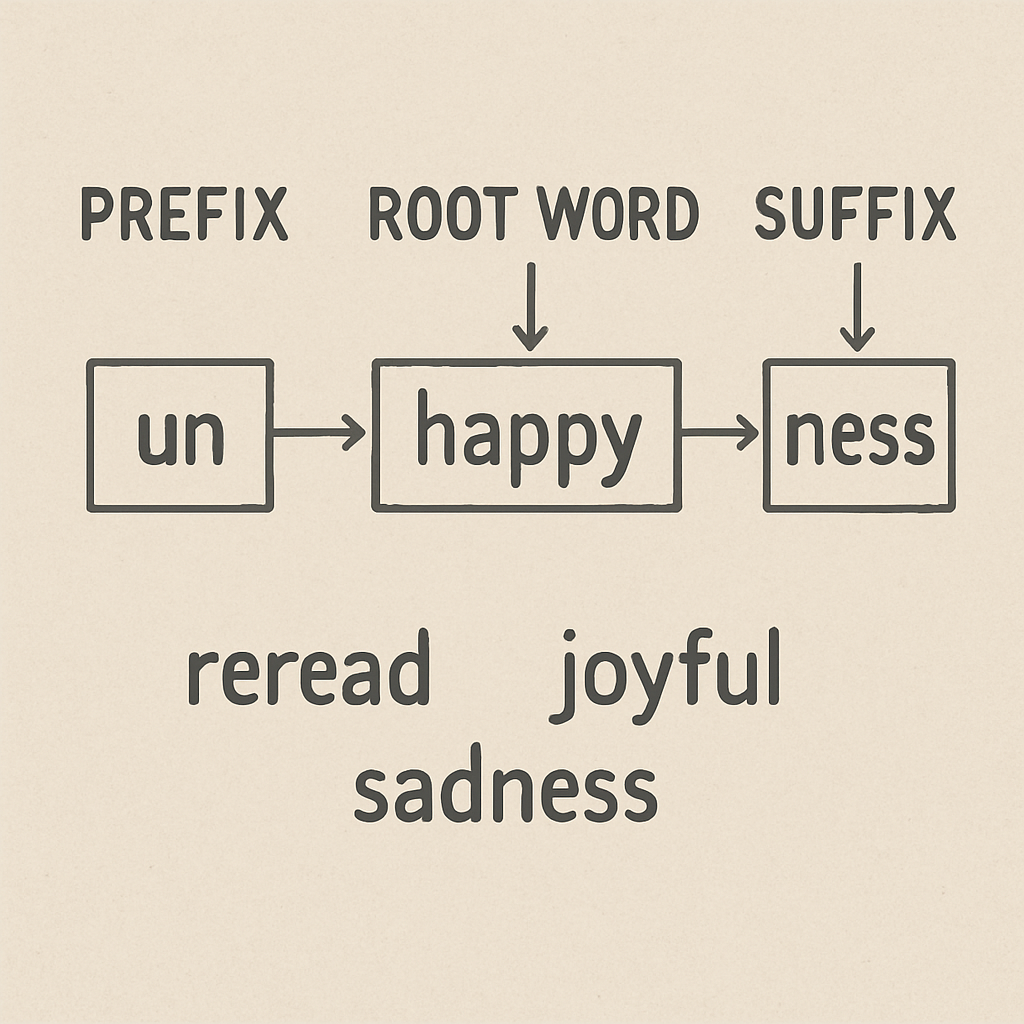
To truly grasp the mechanics of the English language, we must look beneath the surface at word structures. Many complex A words are formed or modified using prefixes and suffixes. These linguistic additions are known as bound morphemes because they cannot stand alone as independent words; they must be attached to a root word to convey meaning.
Understanding the various kinds of affixes helps readers decode unfamiliar vocabulary instantly. For instance, knowing that the prefix anti- means “against” or auto- means “self” allows a reader to break down a long word into its root meanings, drastically improving reading comprehension without a dictionary.
Practical Exercises and Word Games
Learning and retaining vocabulary shouldn’t stop at rote memorization. Engaging in active vocabulary building exercises for the letter A keeps the mind sharp, adaptable, and creative at any age.
Here are a few actionable ways to practice:
- Board Games: Enhance your strategic gameplay by memorizing high-scoring scrabble words starting with A. Words such as adze, axiom, azimuth, and affix can help you clear your tile rack while scoring massive points on the board.
- Flashcards: Create categorized, color-coded decks. Mix early phonics terms with advanced vocabulary to create an evolving challenge for different age groups in your household.
- Daily Writing Prompts: Challenge yourself to write a short, 100-word paragraph every morning using at least five advanced A words. This forces your brain to contextualize new vocabulary rather than just memorizing definitions.
Conclusion
From the exact moment a toddler proudly sounds out their first CVC word to the day a seasoned executive drafts a compelling business proposal, the letter A plays a starring role in our lives. By understanding everything from the physical mechanics of a short vowel sound to the structural and grammatical impact of bound morphemes, we unlock the true, expressive potential of the English language. Start integrating these vocabulary strategies and phonics principles today, and watch your reading, writing, and communication skills profoundly accelerate.