Benefits of Phonics for Early Readers
Watch a child point to the word “horse” in a picture book and confidently say “pony.” While this looks like early reading, experts note this is simply visual guessing, not true decoding—the act of breaking a word down into individual sounds.
Society often assumes learning to read is a natural milestone, much like walking. However, cognitive research shows that while humans are wired for speech, reading requires building manual brain circuitry. Children relying on picture clues eventually hit a “reading ceiling,” struggling the moment chapter books abandon helpful illustrations.
Constructing this vital circuitry is one of the most powerful benefits of phonics for early readers. Rather than treating text as mysterious shapes to memorize, phonics gives children the exact tools they need to unlock the English code independently.
The Mechanics of the “Click”: How Synthetic Phonics Turns Letters into Language
Watch a child stare at the word “cat.” If they only know the alphabet, they might say “see-ay-tee,” which doesn’t sound like a pet at all. The alphabet is actually a visual code. To unlock it, children must learn that written letters (graphemes) represent spoken sounds (phonemes). Knowing a letter sound is far more valuable to a beginner than knowing its name.
Think of a systematic synthetic phonics approach as handing your child a master toolkit. Instead of guessing based on pictures, they make the individual sounds and “slide” them together. This sliding—called blending—is how /k/ /a/ /t/ becomes the spoken word “cat.” When you help them blend sounds smoothly without leaving gaps, you build essential phonics skills that prevent reading frustration.
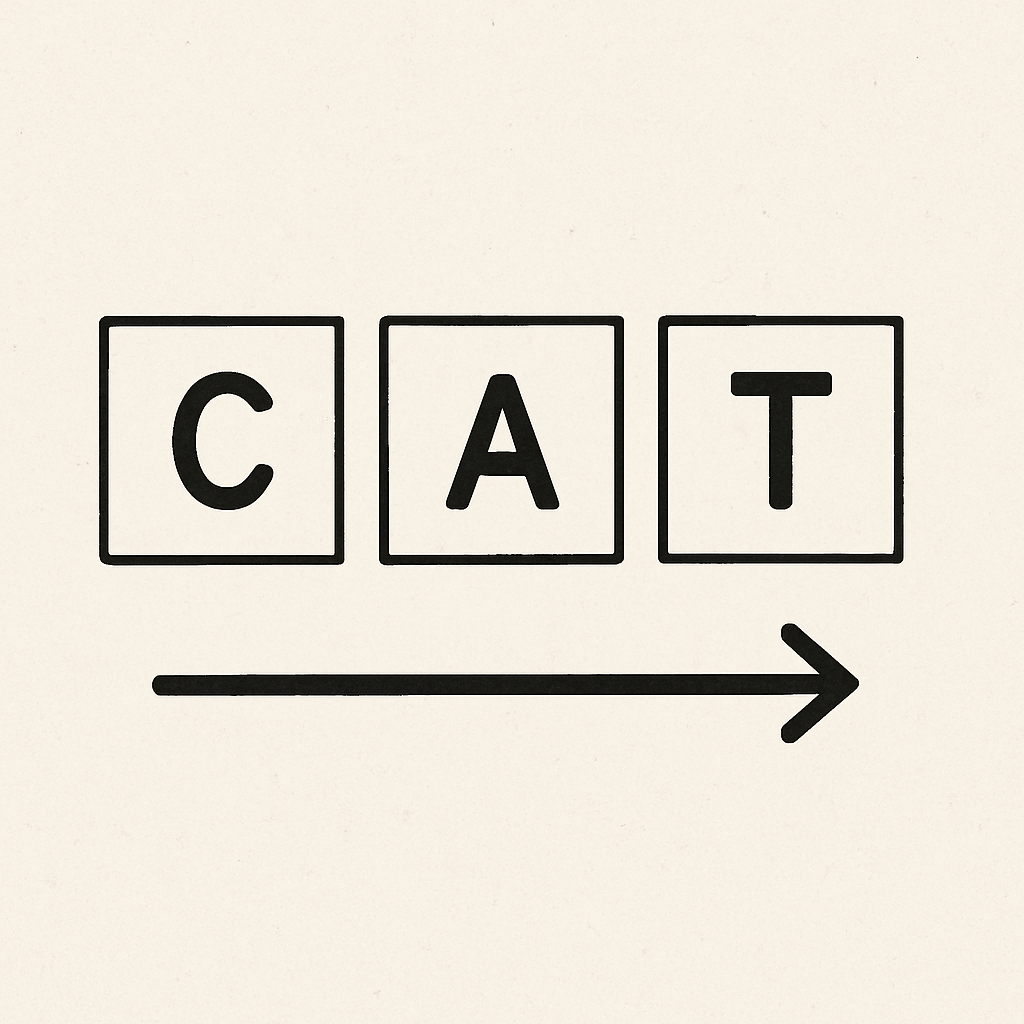
As beginners practice this left-to-right flow, they typically master a few foundational rules:
- CVC blending: Decoding simple consonant-vowel-consonant patterns (like pig or hop).
- Digraphs: Recognizing when two letters make one sound (like /sh/ in ship).
- Silent E: Knowing when a bossy ‘e’ makes the vowel say its name.
Mastering these mechanics transforms stressful guessing into confident, independent decoding. Once a child trusts their toolkit to unlock words on a page, they are ready for the next critical phase.
Bridging the Gap to Fluency: Why Decoding is the Foundation of Reading Speed
Watching your child labor over every single letter can feel agonizingly slow. You might wonder when the choppy sounding-out phase finally transforms into smooth, effortless reading. This effortless pace is known as reading fluency, and it represents the ultimate reward for mastering early blending skills.
Science of Reading foundational skills reveal the brain actually builds a new neural pathway. Experts call this process orthographic mapping—a mental filing system permanently connecting a word’s sounds to its exact spelling.
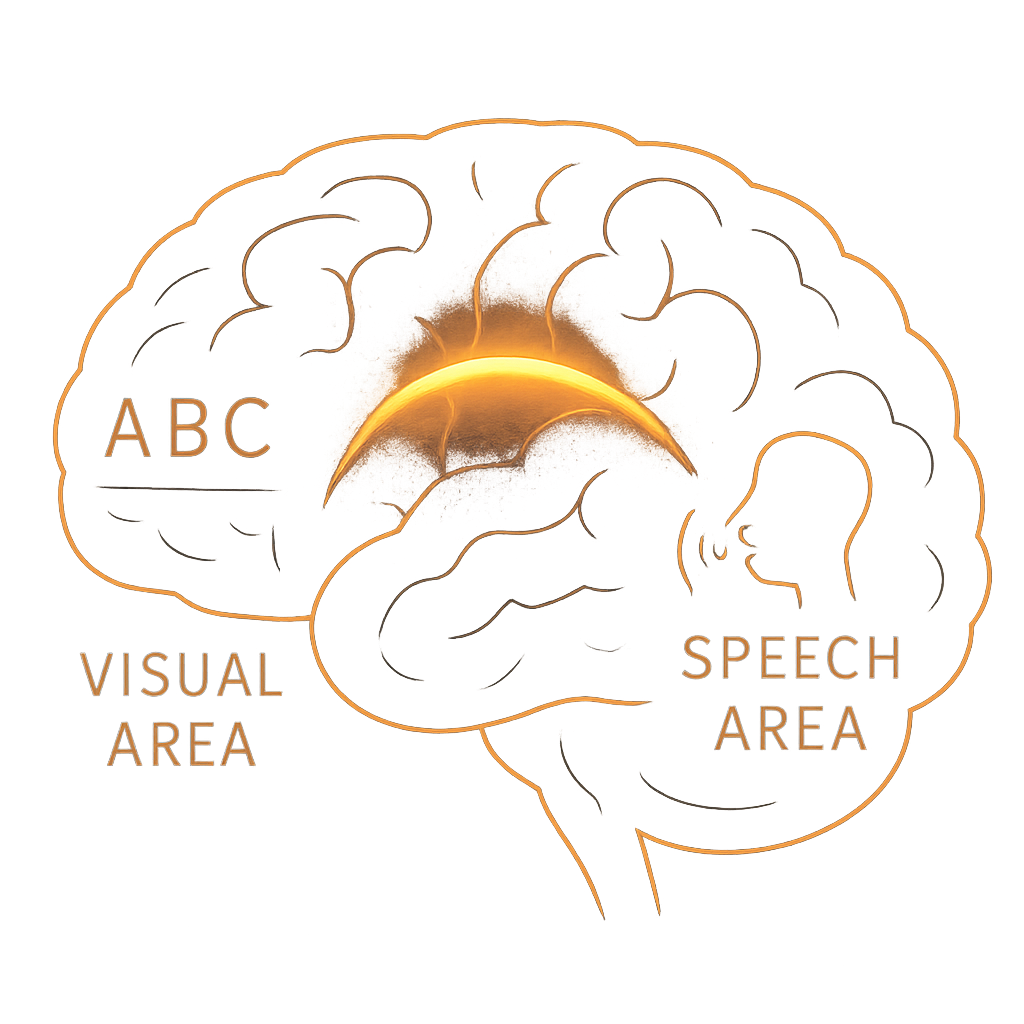
Every time your child successfully decodes a word by sounding it out, they strengthen this mental bridge. This explains how phonics improves reading fluency; it turns an unfamiliar string of letters into instant word recognition. Eventually, the brain identifies words in milliseconds without relying on picture guessing, achieving a magical state called automaticity.
The best way to support this leap is offering patience while they practice. Once children stop spending all their energy sounding things out, they can finally comprehend and enjoy the story. Yet, reading is not a one-way street; building this permanent mental dictionary perfectly prepares them for spelling and writing.
Beyond the Book: Why Phonics is the Hidden Engine of Spelling and Writing
We often treat reading and writing as separate milestones, but they are two halves of the same circuit. If reading is decoding a message, spelling is encoding—translating spoken sounds back into printed letters. When children learn that the /sh/ sound is written with ‘sh’, they don’t just recognize it in a story; they can build it themselves on a blank page.
This predictable structure removes the agonizing guesswork that causes anxiety. In fact, explicit phonics instruction for students with dyslexia is a critical lifeline because it manually builds the brain’s reading circuitry step-by-step. Teaching these phonetic rules directly drives the undeniable impact of systematic phonics on spelling accuracy.
Yet, English occasionally breaks its own spelling rules. Instead of having kids visually memorize whole words, educators use the “Heart Word” method. Children sound out the predictable letters, memorizing only the irregular part “by heart”:
- Said: The /s/ and /d/ follow the rules, but the “ai” making an /e/ sound is the heart part.
- From: The /f/, /r/, and /m/ are standard, but the “o” making an /u/ sound is the heart part.
Connecting reading and spelling empowers kids to become confident creators. With the mechanics of this written code finally demystified, you can confidently support their practice at home.
Building a Literacy Foundation: Simple Tools to Power Your Child’s Reading Journey
Helping your child decode doesn’t always require a book. While phonics involves connecting printed letters to sounds (using eyes and ears), phonological awareness is entirely about playing with sounds (using ears only). Try this today: ask your child to say “cup” without the /k/ sound. If they can answer “up,” they are building the exact mental muscles needed to break words apart later.
Start building these skills with simple phonemic awareness activities for preschoolers during daily routines:
- Rhyme Time: Take turns thinking of real or silly words that rhyme with “pig.”
- First Sound Finder: Ask, “What sound does ‘sun’ start with?” (Focus on the /s/ sound, not the letter name).
- I-Spy Sounds: Say, “I spy something in the room that starts with the /b/ sound.”
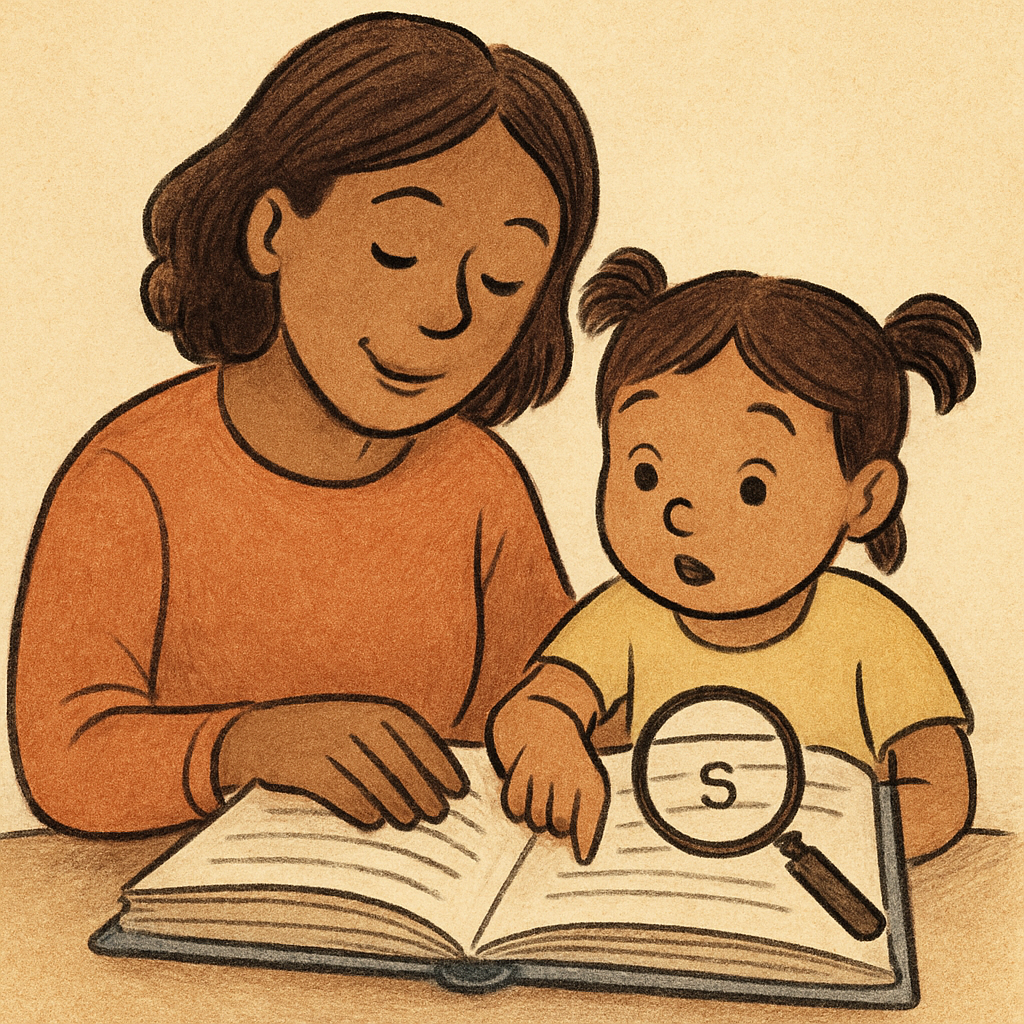
Every time you play these games, you lay the groundwork for a lifelong gift. The relationship between phonics and reading comprehension is beautifully simple: once the mechanics of sounding out words become effortless, your child’s brain is finally free to focus on the story’s meaning. They stop wrestling with the code and start falling in love with reading.